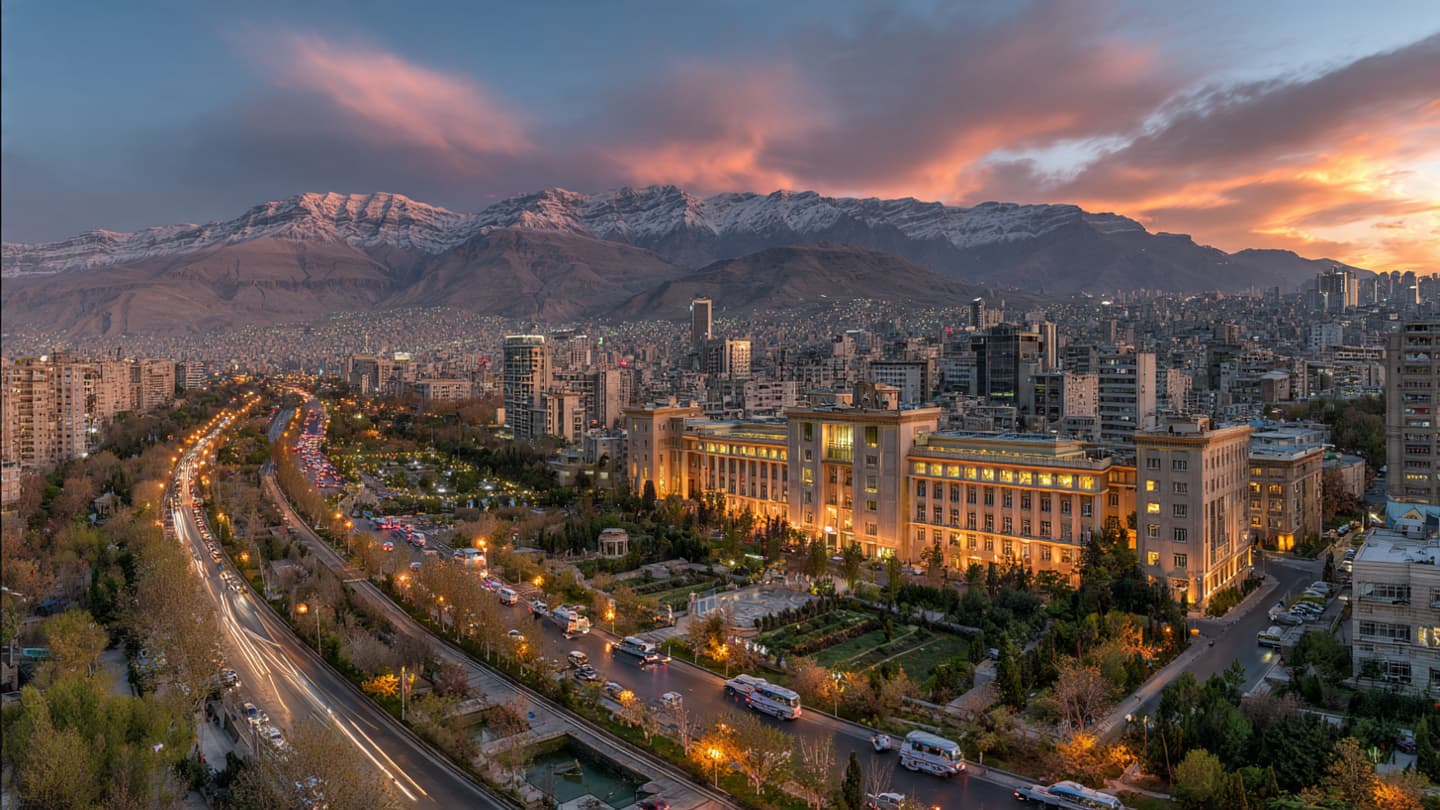
In Tehran, summer arrives slowly beneath pale mountains and long avenues shaded by sycamore trees. Evening traffic moves heavily through the capital while conversations drift between cafés, embassies, and government offices where the language of diplomacy is spoken carefully, often in measured tones shaped by decades of sanctions, negotiations, and regional uncertainty. In this part of the world, even gestures of dialogue carry the weight of geography.
Far to the east, across the Arabian Sea and the crowded shipping lanes of the Indian Ocean, New Delhi watches the turbulence of West Asia with its own mixture of caution and proximity. Oil tankers, migrant labor routes, security partnerships, and religious ties bind India deeply to the region, even when it seeks to avoid becoming entangled in its rivalries.
This week, Iranian Foreign Minister Abbas Araghchi said Tehran would “welcome a constructive role by India” in addressing the ongoing crises unfolding across West Asia, a region strained by conflict in Gaza, maritime tensions, and widening geopolitical competition. His remarks came during diplomatic discussions emphasizing regional stability and continued political dialogue among major Asian powers.
The statement reflected more than diplomatic courtesy. In recent years, India has gradually expanded its presence across the Middle East through trade agreements, infrastructure projects, energy partnerships, and balancing relationships with countries often positioned on opposite sides of regional rivalries. India maintains strategic ties with Israel while also preserving longstanding connections with Iran and Gulf Arab states — a diplomatic balancing act increasingly significant as global alignments shift.
For Tehran, India represents both an economic partner and a potentially influential voice outside the Western alliances that dominate many international negotiations surrounding Iran. Officials in Tehran have repeatedly expressed interest in deeper cooperation involving trade corridors, energy transit, and development projects linked to the Chabahar port on Iran’s southeastern coast, which India has supported as part of broader regional connectivity ambitions.
The timing of Araghchi’s remarks also reflects the widening instability across the region. The war in Gaza continues reshaping diplomatic relationships far beyond Israel and the Palestinian territories. Maritime security concerns in the Red Sea and Gulf waters have disrupted shipping routes and heightened military presence near strategic choke points. At the same time, regional powers continue maneuvering carefully between confrontation and negotiation, wary of escalation that could pull multiple states into broader conflict.
India’s response to these tensions has largely emphasized dialogue, humanitarian concerns, and strategic restraint. New Delhi has attempted to preserve communication with all major actors while protecting its own economic and security interests. Millions of Indian citizens live and work across Gulf countries, and the region remains central to India’s energy imports and overseas trade networks.
In Tehran’s diplomatic circles, references to India often carry historical undertones extending far beyond present crises. Persian cultural influence shaped parts of the Indian subcontinent for centuries through poetry, architecture, language, and commerce. Caravan routes and maritime exchanges once connected the ports of Gujarat with Persian Gulf cities long before modern nation-states emerged. Even today, diplomacy between the two countries occasionally draws on that older memory of interconnected civilizations spanning deserts, monsoons, and sea lanes.
Yet contemporary realities remain complicated. India’s growing strategic relationship with the United States has at times created friction with Tehran, particularly regarding sanctions and oil imports. Meanwhile, Iran’s own regional policies continue drawing scrutiny from Western governments and neighboring states. Diplomacy in this environment often advances incrementally — less through dramatic breakthroughs than through careful preservation of communication itself.
Still, Araghchi’s remarks suggested a recognition that emerging powers like India may increasingly shape the future political architecture of the region. As global influence becomes more distributed, countries outside traditional Western alliances are finding greater space to mediate, invest, and influence outcomes across conflict zones once dominated by Cold War alignments.
As dusk settles over Tehran, lights begin appearing across apartment towers beneath the Alborz Mountains while diplomatic convoys move quietly through government districts. In New Delhi, another humid evening gathers around ministries and embassies where foreign policy is weighed against trade, security, and domestic priorities. Between the two capitals stretches a region unsettled by war and uncertainty, yet still searching for channels of conversation capable of slowing the drift toward deeper instability.
Whether India chooses to play a larger diplomatic role remains uncertain. But in a landscape shaped increasingly by overlapping crises, even the invitation itself reveals how much the political map of West Asia is continuing to evolve — not only through conflict, but through the quiet recalibration of influence among nations watching one another across seas and deserts.
AI Image Disclaimer These illustrations were created with AI tools to visually represent the themes and settings discussed in the article.
Sources
Reuters The Hindu Al Jazeera Associated Press Financial Times
Published by Banx Network. This article is part of the Banx decentralized media programme, powered by the BXE token on the XRP Ledger.