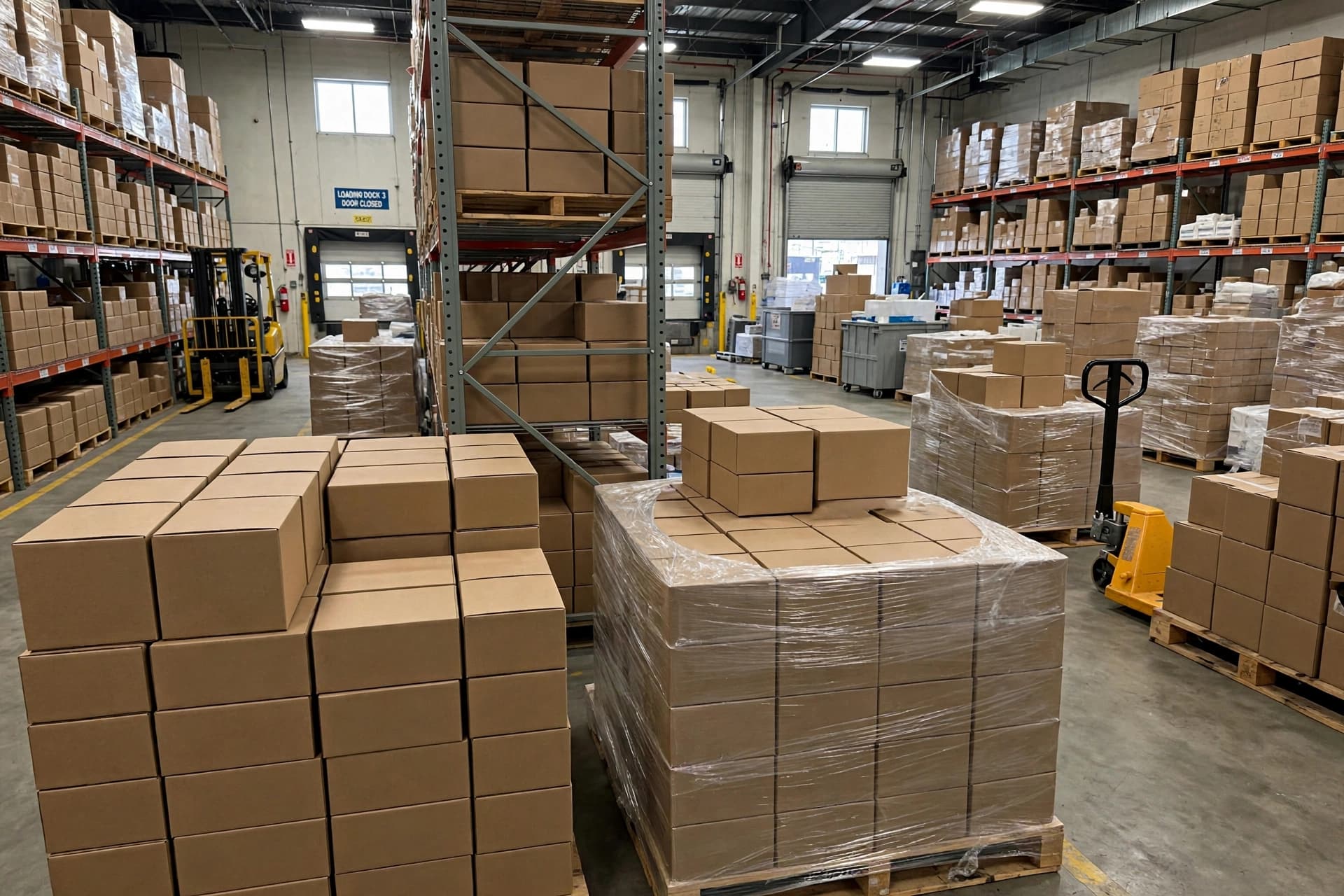
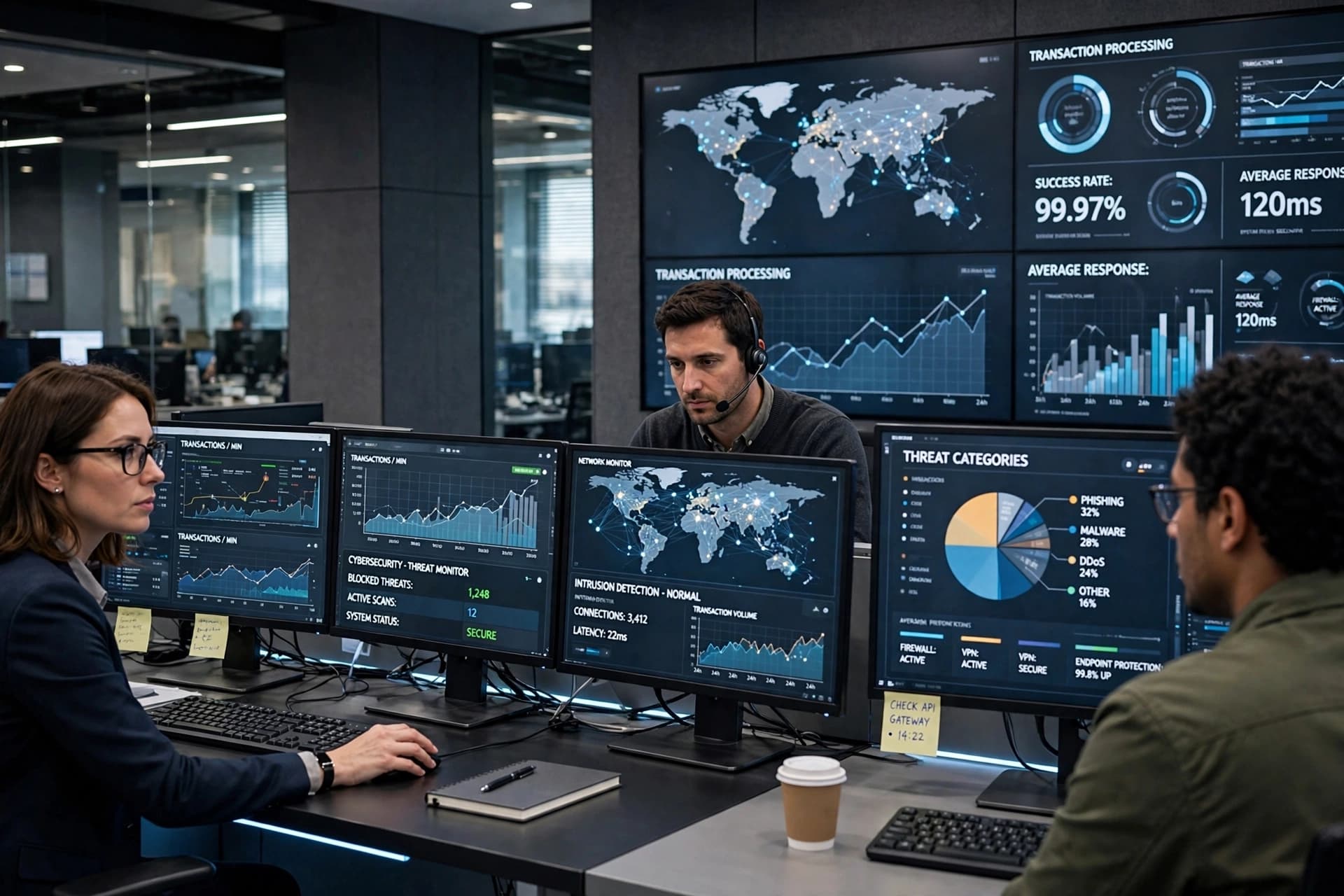
In the soft quiet before dawn on a chilly Washington morning, two distant capitals found themselves sketching a new chapter in their shared economic story. Like gardeners tending neighboring fields that had grown separately for years, diplomats and industry leaders from the United States and Taiwan leaned toward each other to prune away barriers and plant new seeds of collaboration. This accord, shaped around tariffs and chips, began not with the clatter of headlines but with a mutual sense of possibility in a world threaded by technology and trade.
At the heart of this unfolding story is a trade agreement the United States and Taiwan announced in mid-January 2026. Under its terms, the U.S. will lower tariffs on many Taiwanese exports — reducing the so-called “reciprocal” tariff rate from roughly 20 percent to 15 percent, bringing such duties into closer alignment with those applied to other key partners. Some categories, like generic pharmaceuticals and certain aircraft components, are set to face no tariffs at all. Taiwanese semiconductor and tech firms, in turn, pledged large-scale investments in U.S. manufacturing, particularly in advanced semiconductors, artificial intelligence, and energy sectors. The commitments include substantial direct investment by companies such as Taiwan Semiconductor Manufacturing Company (TSMC) and credit guarantees to support expansion of U.S. industry capacity.
Viewed through the lens of commerce and geopolitics alike, the deal carries many layered motifs — a shared response to global supply-chain disruptions, a nod toward domestic industrial strengthening, and an implicit recognition of each partner’s stakes in a rapidly evolving technological landscape. For Taiwan, long celebrated as a world leader in chip production, the accord offers a pathway to broaden its economic footprint while fostering deeper industrial roots on U.S. soil. For the United States, it represents a step toward reshoring critical manufacturing and diversifying sources of core components amid broader global competition.
As with any complex negotiation, this moment reflects years of shifting policy winds and strategic questions. Decades of intertwined economic growth now find themselves at a crossroads between protection and partnership, where tariff lines meet innovation corridors. Yet, in the measured phrasing of official statements, there is a kind of understated hope that avenues of exchange remain vital in an era marked by both cooperation and contest.
In this spirit, the new agreement stands as a testament to how nations navigate shared interests without harsh rhetoric or sweeping hyperbole. Analysts and officials on both sides have described it as historic and mutually beneficial, though it remains subject to domestic approvals and future implementation steps. As the world watches how chips flow between continents and factories rise where farmland once breathed, the seeds planted today may well shape the contours of technology and trade for years to come.
AI Image Disclaimer *Visuals are created with AI tools and are not real photographs.*
sources
• Bloomberg
• Reuters
• Associated Press
• The Straits Times
• Reuters/NZ/AFP reports discussed by Asia Business Outlook
Published by Banx Network. This article is part of the Banx decentralized media programme, powered by the BXE token on the XRP Ledger.