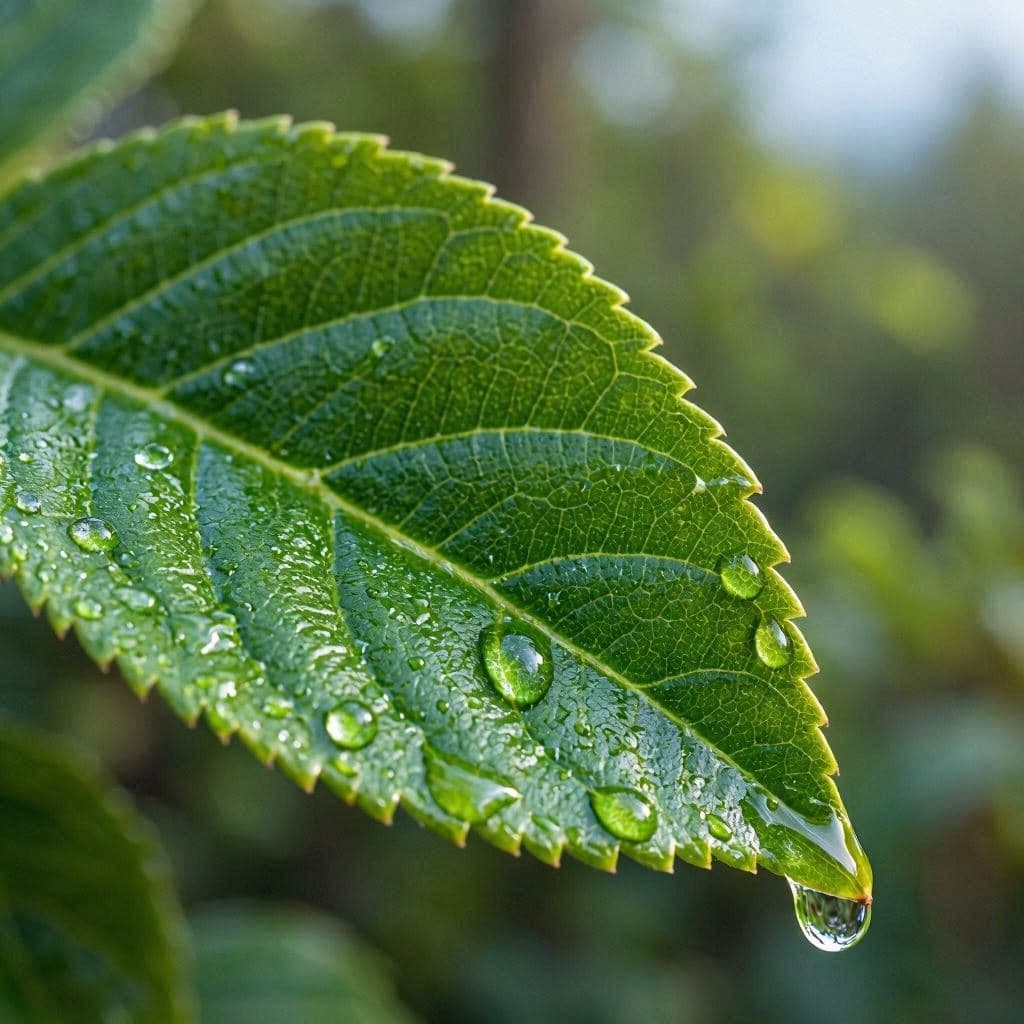
In the vast green tapestry of agricultural fields, each leaf serves as a tiny battlefield where plants defend themselves against invisible enemies. For years, scientists have focused on the internal mechanisms of plant immunity, but attention is now shifting to the surface. Recent studies suggest that the physical and chemical properties of leaf surfaces may hold the key to curbing crop diseases, offering a new frontier in sustainable agriculture. This external shield, often overlooked, could be the first line of defense against devastating pathogens.
The leaf surface, or phyllosphere, is home to a diverse community of microorganisms, including bacteria, fungi, and viruses. While some of these microbes are harmful, others play a protective role, competing with pathogens for resources and space. By understanding the dynamics of this microbial ecosystem, researchers can develop strategies to enhance natural resistance. Manipulating the leaf surface environment could reduce the need for chemical pesticides, promoting healthier crops and safer food supplies.
One area of focus is the waxy cuticle that covers leaves. This layer acts as a barrier to water loss and pathogen entry. Variations in its thickness and composition can influence how easily diseases take hold. Scientists are identifying genetic traits that produce more robust cuticles, breeding plants that are naturally better equipped to resist infection. This approach leverages the plant’s own biology rather than relying solely on external interventions.
Additionally, the texture of the leaf surface plays a role in disease prevention. Rougher surfaces may trap fewer moisture droplets, reducing the humidity that many fungi need to thrive. Smooth surfaces, on the other hand, might allow water to run off more quickly. By selecting for specific surface traits, breeders can create varieties that are less hospitable to disease-causing organisms. These subtle physical differences can have a significant impact on crop health.
Chemical signals emitted by the leaf surface also attract beneficial microbes. These voluntary allies help to suppress harmful pathogens through competition and the production of antimicrobial compounds. Enhancing these signaling pathways could boost the plant’s natural defenses. Research into these interactions is opening up new possibilities for biocontrol agents, which offer an environmentally friendly alternative to traditional pesticides.
The implications for global food security are profound. Crop diseases cause billions of dollars in losses annually, threatening the livelihoods of farmers and the stability of food supplies. By focusing on leaf surfaces, scientists can develop more resilient crop varieties that require fewer inputs. This sustainable approach aligns with the growing demand for eco-friendly farming practices, benefiting both the environment and the economy.
The exploration of leaf surfaces as a defense mechanism against crop disease represents a promising shift in agricultural science. By harnessing the natural properties of plants, we can build a more resilient food system. This research underscores the importance of looking at the whole plant, from its roots to its tips, in the quest for sustainable agriculture.
AI Image Disclaimer: The images provided are AI-generated to visually represent the botanical and scientific themes of the article.
Sources: Nature Plants Science Daily University of Cambridge
Published by Banx Network. This article is part of the Banx decentralized media programme, powered by the BXE token on the XRP Ledger.