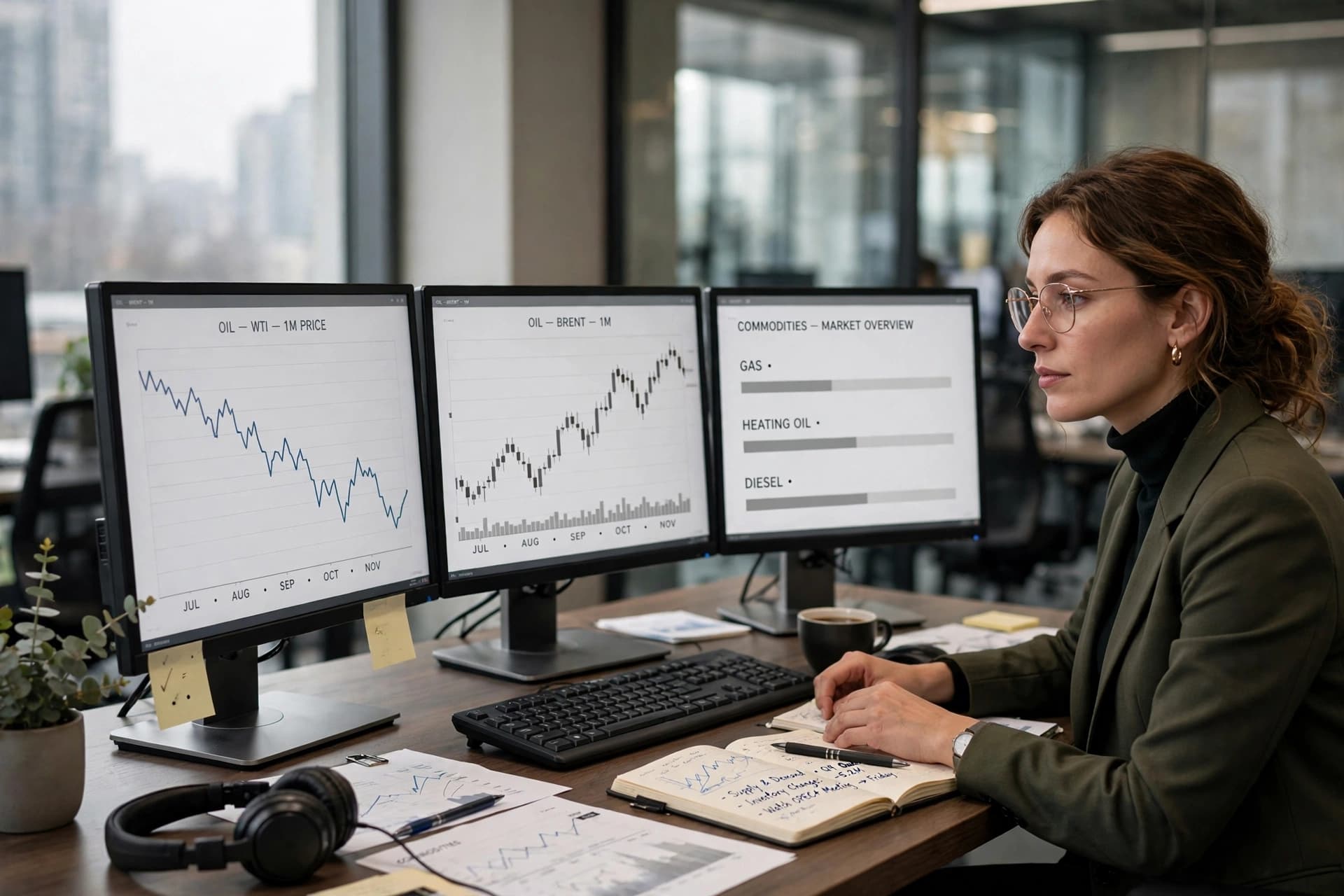
In the gray moments before the opening bell on Wall Street, there is a particular hush that settles over trading floors — a time when screens glow with unexecuted promises and the market’s pulse can barely be heard. On such a morning, futures for the Dow Jones hovered lower, their subtle retreat a quiet echo of forces that span far beyond Manhattan’s towers, touching ports, boardrooms, and global trade routes alike.
The whisper that stirred this motion began not in the markets but in corridors of power and law. A decisive judgment from the nation’s highest court struck down sweeping tariffs that had previously shaped the arc of global commerce, only for the next day’s response to usher in a renewed levy on imports. From a baseline of ten percent to a higher threshold of fifteen, the increased tariff rate was a gesture that carried both legal intent and economic uncertainty — a signal that, for some investors, blurred the horizon of easy calculation.
Wall Street’s early indicators responded with something close to caution: futures for the Dow receded gently, while those tied to broader indexes showed modest loss. Such movements do not unfold like storms, nor do they resemble the sharp plummets of days past; rather, they unfold slowly, like a tide pulling back before deciding its next journey. In this retreat, there is a reflection of trade policy’s immediate impact — less in sudden disruption than in the broader sense of what elevated duties can mean for the flow of goods, the cost of production, and the sentiment of markets that measure not only profit but expectation.
The reactions were not uniform. In parts of Asia, some indices climbed steadily through the morning, buoyed by local gains and the belief that certain markets might be less exposed to this particular trade wind. Other regions registered modest declines. The variation reflects a world where capital is increasingly mobile, and where what touches one market more sharply may barely disturb another. In the quiet between these movements, some participants found solace in traditionally safer havens, turning to gold and other instruments that have long been trusted in moments where certainty feels distant.
At its heart, this is not a story simply of stock prices ticked down or up, but of how global policies and legal decisions gently reshape the landscape in which markets move. Traders and strategists watch earnings on the near horizon, corporate reports that might lend clarity to sectors under strain. They also watch how currency moves, how yields on government bonds behave, and how flows of capital seem to seek both opportunity and refuge in the same breath.
In reporting terms, U.S. stock futures including those tied to the Dow Jones Industrial Average fell in early trade, reflecting investor caution after a newly announced 15% global tariff raised questions about the future of trade policy. Broader indexes such as the S&P 500 and Nasdaq also showed declines in their futures, while some Asian markets experienced a mixed pattern of rises and falls. Investors showed increased interest in safe‑haven assets as the implications of changes in tariff policy and economic uncertainty continued to unfold across global markets.
AI Image Disclaimer Visuals are AI‑generated and serve as conceptual representations.
Sources (Media Names Only) Investors.com The Guardian Reuters FXStreet LiveMint
Published by Banx Network. This article is part of the Banx decentralized media programme, powered by the BXE token on the XRP Ledger.