There are seasons in business that feel like the slow turn of a great clock’s hands — almost imperceptible at first, but over time marking a shift from one era into another. In the world of automotive manufacturing, where engines hum and assembly lines rhythmically orchestrate thousands of tasks each day, the cadence of profit and reward is no different. For decades, profit-sharing payouts have been one way that the value created by collective labor finds its way back into the hands of those who help build the product. In the case of General Motors, that rhythm peaked in recent years with record-breaking profit-sharing checks for hourly workers, marking a high point that many felt symbolized the post-strike resurgence of the industry’s fortunes.
Yet as winter gives way to uncertain economic winds, the same hands on that great clock now point toward a landscape that promises a different tempo. General Motors’ latest earnings release and guidance for 2026 portray a company still fundamentally strong — with solid earnings projections, raised dividends, and a robust buyback plan that lifted its share price. But beneath these headline figures lie subtle undercurrents that could shape the lived experience of the workforce in the months ahead.
The profit-sharing structure for United Auto Workers represented employees is tied closely to company performance metrics. When General Motors paid out some of the highest profit-sharing amounts in history for performance year 2024 — with checks touching record levels — it felt almost like the spring thaw after a long winter. Yet current financial guidance and external pressures suggest that the landscape for 2026 may not be quite as fertile. Analysts and industry observers have pointed to factors that can tighten the flow of profit into bonus pools, including tariff costs and margin pressures that could trim the bottom line available for distribution.
In financial reports, GM has painted a picture of resilience and recovery, forecasting higher net income and margins compared with recent years. Still, these figures coexist with a market environment where cost pressures — from raw materials to regulatory shifts — can temper the ultimate allocation of gains to employees. In the automotive world, where profit calculations touch everything from electric vehicle strategy to North American sales volumes, a smaller share of profit earmarked for bonus pools is a possibility being quietly acknowledged in boardrooms and break rooms alike.
For the workers whose livelihoods are intertwined with these payouts — the skilled hands and attentive eyes that bring vehicles to life — even the whisper of a reduction can cast a long shadow. Not because the totals ever defined their worth, but because they represent a tangible nod to shared success. As financial forecasts are absorbed and negotiated figures take shape in future contracts, the story of profit sharing in 2026 will likely be one of balance: between corporate strategy and worker expectations, between market forces and collective effort.
In the end, while Detroit’s automaker projects confidence in its fiscal trajectory, the subtle shift from record-setting payouts to the possibility of more restrained distributions reminds us that even well-worn rhythms can evolve. And as that great clock of industry continues its turn, those who watch its hands will be mindful of both where they have been and where they are heading.
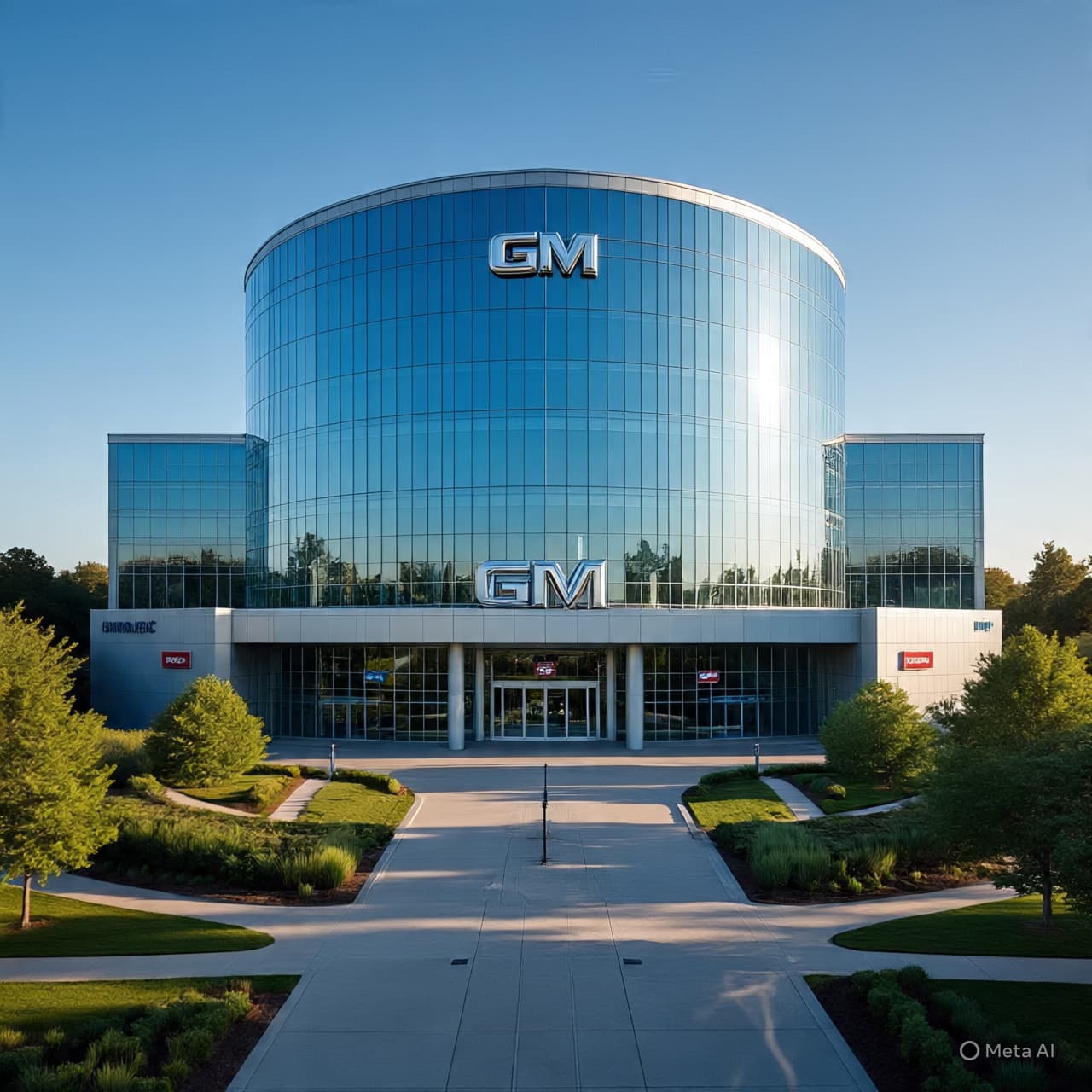
AI Image Disclaimer “Graphics are AI-generated and intended for representation, not reality.”
Sources Reuters (GM 2026 guidance and earnings) Yahoo Finance / Reuters syndicated (Q4 earnings) MarketChameleon (profit outlook context) CBS Detroit / CBS News (record 2024 profit sharing) Carscoops (industry analysis on tariff impact on payouts)
Published by Banx Network. This article is part of the Banx decentralized media programme, powered by the BXE token on the XRP Ledger.