
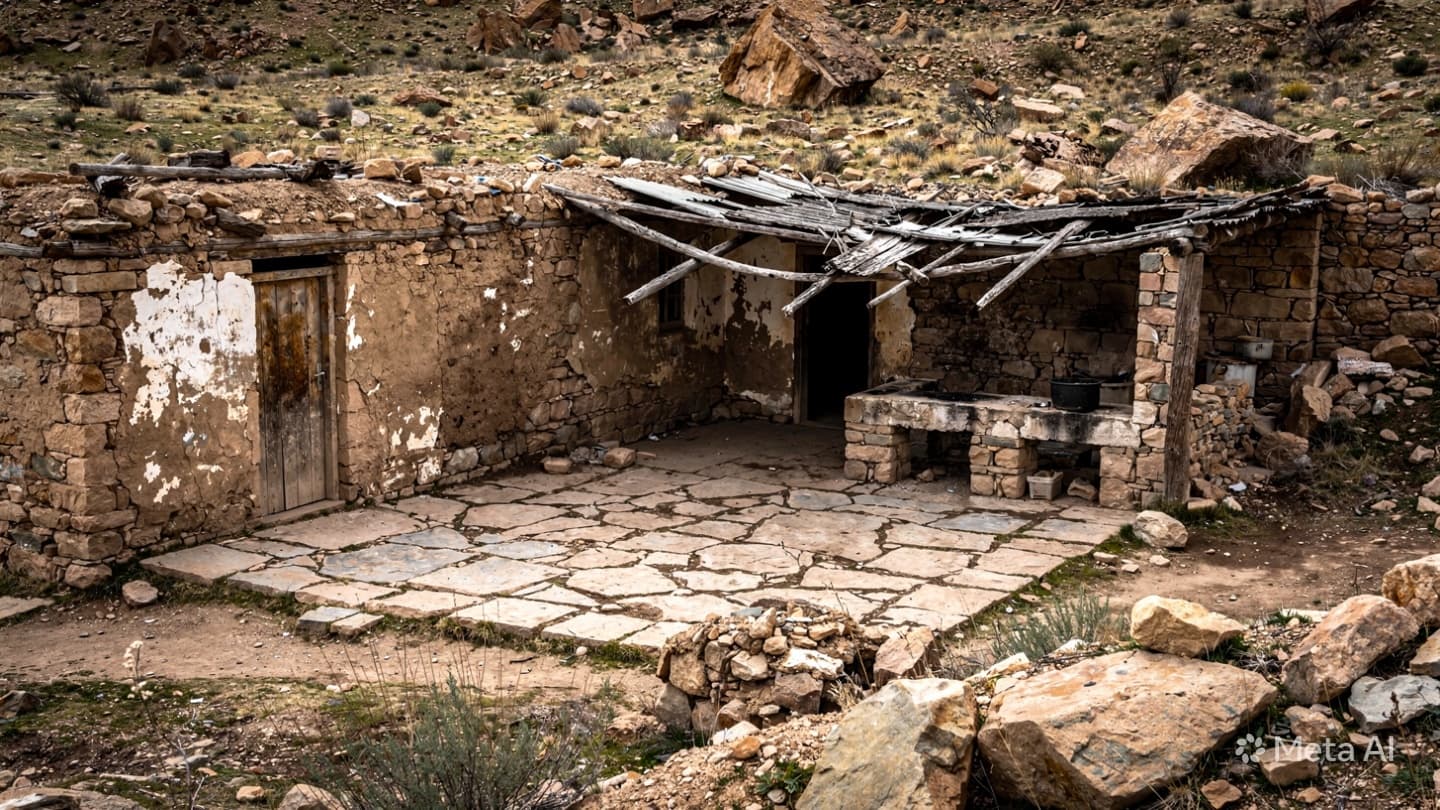
Key Highlights
- Date of Earthquake:A 7.1 magnitude earthquake struck Xinjiang on June 29, 2026.
- Damage Report:Forty-seven homes were destroyed, and six individuals were injured.
- Community Response:Local authorities and rescue teams mobilized quickly to assist those affected.
On June 29, 2026, the Xinjiang region experienced a 7.1 magnitude earthquake that dramatically altered its landscape. Occurring in the early hours before dawn, the tremor shook the area dominated by the Tian Shan mountains, leading to the collapse of forty-seven homes in Wushi. This sudden geological event not only disrupted the physical environment but also instigated a frantic search for safety among residents, who were caught off guard in the darkness.
The immediate aftermath of the earthquake was marked by chaos and urgency. The sound of falling debris echoed through the valleys as people rushed to evacuate their homes. Among the six individuals who sustained injuries, the night turned into a harrowing experience, highlighting the precariousness of life in a region where the earth can shift violently without warning. The destruction left behind was not just structural; it represented the loss of personal spaces and the memories tied to them.
As dawn broke, the community began to assess the damage. The sight of rubble and debris was a stark reminder of the fragility of their existence. Survivors sifted through the remnants of their homes, salvaging personal belongings that served as poignant reminders of their disrupted lives. A book, a piece of clothing, or a kitchen utensil became symbols of the normalcy that had been abruptly interrupted.
In response to the disaster, local authorities quickly activated emergency protocols. Medical teams, rescue units, and civil authorities converged on the affected areas, working tirelessly to restore order amidst the chaos. Their efforts were crucial in providing immediate assistance to those in need, ensuring that the community could begin the process of recovery. The cold, thin air of the high-altitude region did not deter these professionals, who were determined to help their fellow citizens in the wake of such a devastating event.
The recovery process in Xinjiang is a testament to human resilience. As the community began to stabilize, the focus shifted to long-term recovery efforts. Thousands were evacuated to temporary shelters, and structural assessments were conducted to ensure safety in the aftermath of the earthquake. The duality of nature's destructive power and humanity's capacity to rebuild became evident as residents banded together, demonstrating a collective strength in the face of adversity.
As the days passed, the urgency of the initial response gave way to a more reflective phase of recovery. The roads were cleared, services were gradually restored, and the community began to envision a future beyond the earthquake. This event, while a significant disruption, also served as a reminder of the delicate balance between human life and the natural world. The residents of Xinjiang, with their unwavering spirit, continue to navigate this balance, looking toward the horizon with hope and determination.
In summary, the earthquake that struck Xinjiang on June 29, 2026, serves as a stark reminder of the unpredictable nature of our environment. The community's response and recovery efforts reflect a deep-seated resilience, showcasing the human spirit's ability to endure and rebuild in the face of natural disasters. As they move forward, the lessons learned from this experience will undoubtedly shape their relationship with the land they inhabit.
Published by Banx Network. This article is part of the Banx decentralized media programme, powered by the BXE token on the XRP Ledger.



