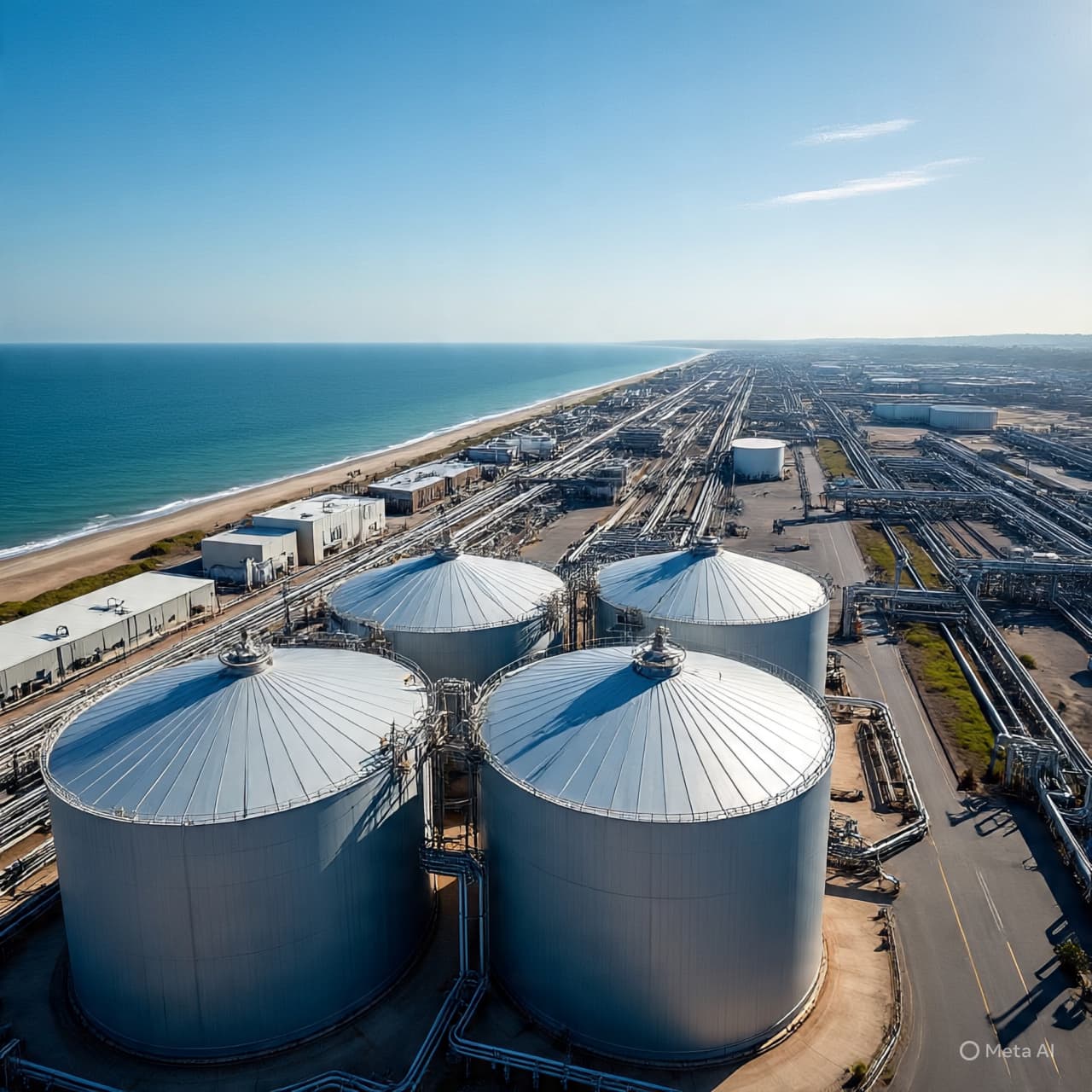
Deep beneath the landscapes of many nations lie vast stores of oil — caverns carved into rock, tanks resting quietly along coastlines, and strategic reserves built for moments when the rhythm of global energy supply falters. Most days, these reserves remain unseen and untouched, existing as a quiet insurance policy against sudden disruption.
But in times of rising tension, the conversation about them often returns.
Amid uncertainty surrounding energy flows and the stability of key shipping routes, European officials have begun discussing measures that could help steady markets if supply pressures intensify. Among the options, according to remarks from European Commission Executive Vice President Valdis Dombrovskis, is the potential release of strategic oil reserves.
The idea reflects a familiar mechanism within the global energy system. Strategic reserves are maintained by governments to cushion sudden shocks in supply — whether caused by geopolitical conflict, natural disasters, or unexpected disruptions in production and transportation.
Across Europe and other major economies, these stockpiles form part of a coordinated safety net that can be activated when markets face instability.
The concept has been used before. During past energy crises, including major supply disruptions and periods of extreme price volatility, governments have occasionally authorized the controlled release of oil reserves to ease pressure on global markets. Such actions typically aim to reassure traders and stabilize supply expectations rather than permanently replace lost production.
For policymakers, the reserves serve as a bridge during uncertain moments.
Dombrovskis’ comments come at a time when energy markets are closely watching developments linked to tensions in the Middle East and the security of vital maritime corridors such as the Strait of Hormuz. This narrow passage remains one of the most important gateways for the world’s seaborne oil, and disruptions there can quickly ripple across international markets.
Even the possibility of restricted flows often leads governments to examine contingency plans.
Within the European Union, coordination around energy security has grown increasingly important over the past decade. Member states maintain strategic petroleum reserves under frameworks designed to ensure that emergency supplies can be mobilized if necessary.
Any release would typically occur in cooperation with international partners, including members of the International Energy Agency, which coordinates emergency oil-sharing mechanisms among major consuming countries.
The effect of such measures is often psychological as much as physical. Markets respond not only to actual shortages but also to perceptions of scarcity. When governments signal that emergency stockpiles are available, it can help calm price volatility and reassure industries dependent on stable fuel supplies.
Still, releasing reserves is generally viewed as a temporary measure — a tool intended to smooth the immediate turbulence while longer-term supply conditions stabilize.
For now, officials describe the idea as one option among several being considered.
The reserves remain where they have always been: quiet, carefully maintained, and largely invisible to everyday life. Yet their existence reflects a recognition shared by energy planners across the world — that the flow of oil, like the tides of the sea, can sometimes become uncertain.
And when that happens, the barrels stored in silence beneath the ground may briefly return to the surface of global attention.
Published by Banx Network. This article is part of the Banx decentralized media programme, powered by the BXE token on the XRP Ledger.


.jpg&w=3840&q=75 "India Says First Phase of U.S. Trade Deal Is Nearly Done, Seeks Edge Over Rivals")