
Key Highlights
- Rising tensions in the Middle East are impacting global trade dynamics.
- Energy prices are increasing, affecting economies reliant on imports.
- Shipping and insurance costs are rising due to geopolitical risks.
The ongoing tensions surrounding Iran and its neighboring waters are beginning to reverberate through the global economy, highlighting the intricate dependencies that define international trade. As tankers navigate the narrow straits, the implications of these geopolitical shifts extend far beyond the immediate region, influencing markets and economies worldwide.
Energy markets are often the first to react to such uncertainties. With a significant portion of the world’s crude oil passing through the Strait of Hormuz, any hint of disruption can lead to immediate price increases. Countries heavily reliant on imported energy, particularly in Asia and Europe, are feeling the effects swiftly. For nations like India, Japan, and South Korea, where energy imports are crucial for industrial operations, the rising costs translate into higher manufacturing and transportation expenses. This situation forces policymakers to grapple with the delicate balance between managing inflation and fostering economic growth.
In Europe, countries such as Germany and Italy are already navigating the repercussions of previous energy crises. The current geopolitical climate adds another layer of complexity, as gas markets react to perceived risks. Even if physical supplies remain stable, the anticipation of potential disruptions can drive prices up, influencing corporate strategies and government policies alike. The economy, therefore, becomes a reflection of both tangible realities and speculative fears.
Conversely, oil-exporting nations like Saudi Arabia and the United Arab Emirates may initially benefit from rising prices, seeing an increase in revenue. However, this apparent prosperity is tempered by the underlying risks associated with regional instability. The volatility that accompanies such conflicts can threaten infrastructure and long-term investments, reminding these nations that their economic fortunes are intricately linked to the broader geopolitical landscape.
Further afield, countries less directly connected to Middle Eastern energy supplies, particularly in Africa and Latin America, are experiencing the conflict's effects in subtler ways. Currency fluctuations and shifts in global demand can lead to rising import costs, exacerbating existing vulnerabilities in developing economies already grappling with inflation and debt pressures. Even slight increases in energy and food prices can have significant repercussions for public finances and household stability.
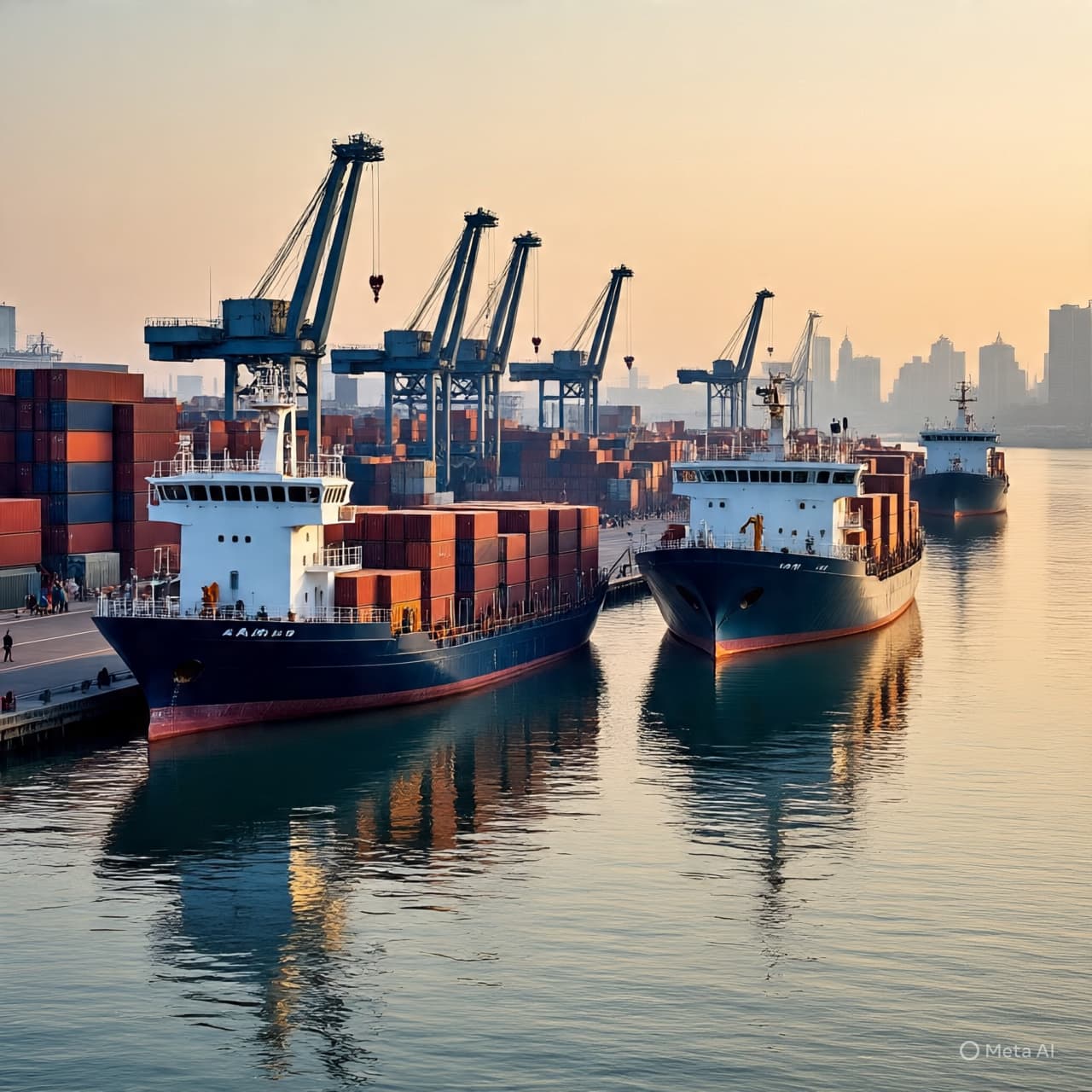
The shipping and insurance sectors are also adjusting to the new realities of contested waters. As vessels traverse these regions, shipping premiums rise, routes are altered, and delivery times extend. This ripple effect illustrates how a localized conflict can disrupt global trade, affecting costs and the overall pace of commerce. Goods may arrive later and at higher prices, influenced by decisions made far from their final destinations.
In this interconnected global economy, the impact of conflict transcends borders and battlefields. It permeates energy contracts, shipping lanes, and financial markets, affecting lives in often indirect yet profound ways. As the situation evolves, it becomes increasingly clear that economies most dependent on stable energy imports and open trade routes are likely to bear the brunt of the immediate fallout. Meanwhile, exporters must navigate a complex landscape of opportunity and risk.
As uncertainty continues to loom, the question remains: how long can these tensions persist before they reshape the global economic landscape in more permanent ways? The world watches closely, attuned to the subtle signals of the markets, aware that the costs of conflict are rarely contained to the regions where they originate.
Published by Banx Network. This article is part of the Banx decentralized media programme, powered by the BXE token on the XRP Ledger.



