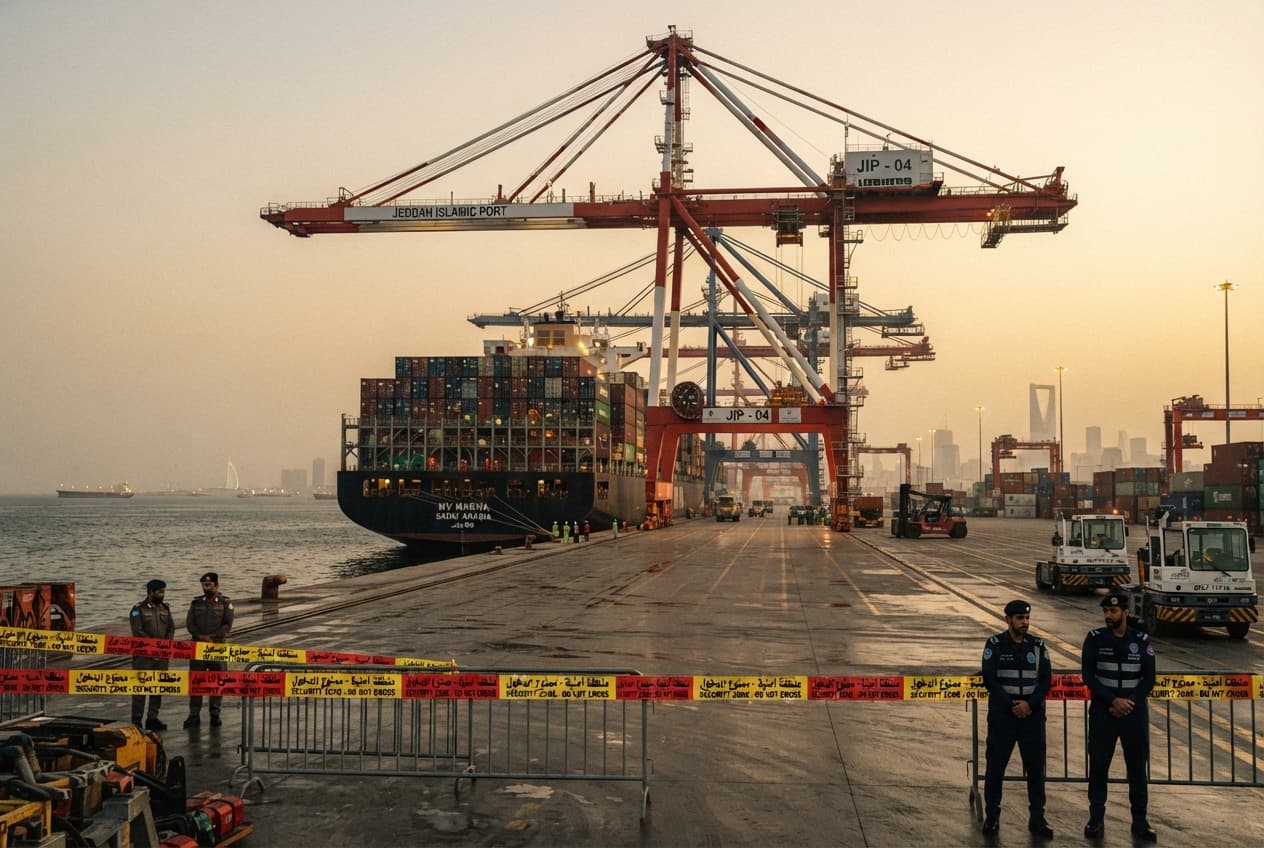
At dawn, the Strait is a narrow ribbon of silver, its surface barely disturbed by the slow procession of tankers moving between continents. From above, the waterway looks almost delicate—a thin seam stitching together the Gulf and the open ocean. Yet within that seam flows nearly a fifth of the world’s oil supply, a steady current of fuel that warms homes, powers engines, and hums through the circuitry of modern life.
When talk turns to the possibility of a prolonged closure of the Strait of Hormuz, the conversation carries the weight of memory. Energy markets, quick to sense disruption, have already shown how sensitive they are to tension in the region. A sustained blockage—whether through direct military confrontation, mining of shipping lanes, or persistent security threats—could send crude prices climbing sharply, with analysts warning that $100 a barrel would not be unthinkable under prolonged strain.
The geography explains the anxiety. The Strait narrows to about 21 miles at its tightest point, with designated shipping lanes even slimmer. Each day, roughly 17 to 20 million barrels of oil and petroleum liquids pass through, much of it bound for Asia, Europe, and beyond. Producers in Saudi Arabia, Iraq, the United Arab Emirates, Kuwait, and Iran rely heavily on this corridor. While some alternative pipelines exist, their capacity cannot fully replace maritime transit.
A sustained interruption would ripple outward quickly. Oil traders would factor in not only immediate shortages but also the uncertainty of duration. Strategic petroleum reserves, including those maintained by the United States and other major economies, could be tapped to cushion the initial shock. Yet reserves are finite and intended as temporary buffers, not long-term substitutes for a disrupted artery of global trade.
The specter of a “1970s-style” energy shock evokes images of long gas lines and rationing, but today’s landscape is more complex. The United States is now a leading oil producer, and global supply chains are more diversified. At the same time, demand remains high, and the interdependence of markets means price spikes travel quickly—from crude futures to gasoline pumps, from shipping costs to grocery bills. Inflation, already a concern in many economies, could feel a renewed pulse.
Energy economists note that markets are shaped as much by expectation as by physical scarcity. Even partial disruptions or credible threats can lift prices if traders anticipate prolonged risk. Insurance premiums for tankers would rise, shipping routes might lengthen, and some vessels could delay departure altogether. Each decision, rational in isolation, would contribute to a broader tightening of supply.
Governments would face a familiar balancing act: protecting consumers from sudden cost surges while preserving incentives for production and conservation. Central banks, watching for secondary effects on inflation, might weigh policy responses carefully. The shock, if sustained, would not confine itself to fuel stations. Industries reliant on petrochemicals, airlines adjusting ticket prices, and households budgeting for winter heating would all feel its echo.
Yet the Strait has long existed under tension without fully closing. Naval patrols, diplomatic channels, and the shared economic interest in keeping oil flowing have historically acted as stabilizers. Even during periods of confrontation, the calculus of mutual cost has often tempered the impulse toward total disruption.
Still, the possibility lingers like heat rising off water. A prolonged closure would test not only the resilience of supply chains but also the adaptability of economies that have grown accustomed to steady flow. Renewable energy sources, strategic diversification, and efficiency gains offer some insulation, yet transitions take time. The world remains, for now, tethered to maritime passages carved by geography.
As tankers continue their slow glide through the narrow channel, the scene appears unchanged—steel hulls against blue water, guided by radar and routine. But beneath that routine lies a quiet awareness: that this slim corridor holds disproportionate sway over distant markets and daily life. Should it fall silent for long, the reverberation would not be confined to the Gulf. It would travel through currencies and contracts, through factory floors and family budgets, reminding a new generation of an older lesson—that energy, when interrupted, can reshape the rhythm of an era.
AI Image Disclaimer Illustrations were created using AI tools and are not real photographs.
Sources U.S. Energy Information Administration International Energy Agency Reuters Bloomberg Financial Times
Published by Banx Network. This article is part of the Banx decentralized media programme, powered by the BXE token on the XRP Ledger.