On distant horizons where the sun touches the trembling edge of ocean and sky, the sea holds memory in its vastness. It remembers the routes of ancient mariners and the quiet passage of merchants. It remembers the silent pacts of trade and the distant echo of conflict. Water does not speak in loud voices, but it carries the imprint of every human choice that crosses it.
For decades, these same waters have borne the weight of regional tension. From narrow straits that funnel the world’s lifeblood of oil into open sea lanes, to wide routes that stitch continents together, the ocean has become a quiet stage for power, pressure, and persistence. The land shows its borders plainly; the sea hides them beneath motion, turning geography into influence and distance into consequence.
In recent months, this long pattern has begun to shift in tone. Iran’s temporary closure of the Strait of Hormuz for military exercises brought renewed attention to the fragility of maritime chokepoints and the vulnerability of global trade corridors that depend on uninterrupted passage. The movement of ships slowed, and with it came a familiar unease that spreads far beyond the coastline, touching markets, energy flows, and diplomatic currents.
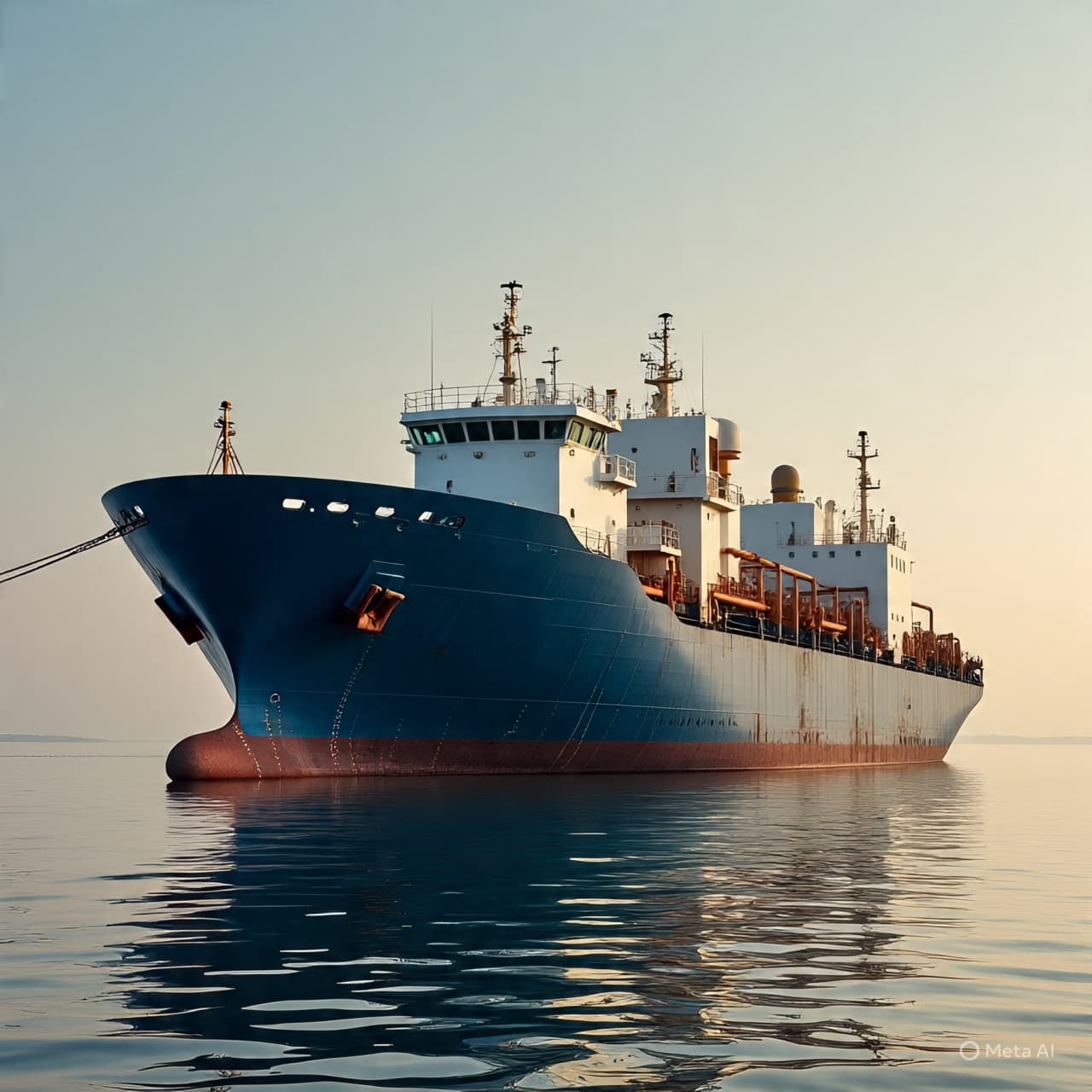
Not far from these waters, India’s response has taken a firmer shape. Authorities have seized sanctioned tanker vessels linked to Iranian networks and expanded surveillance across offshore zones, signaling a shift from distant concern to active enforcement. Patrol routes have lengthened, monitoring has deepened, and maritime presence has grown more constant—less symbolic, more structural.
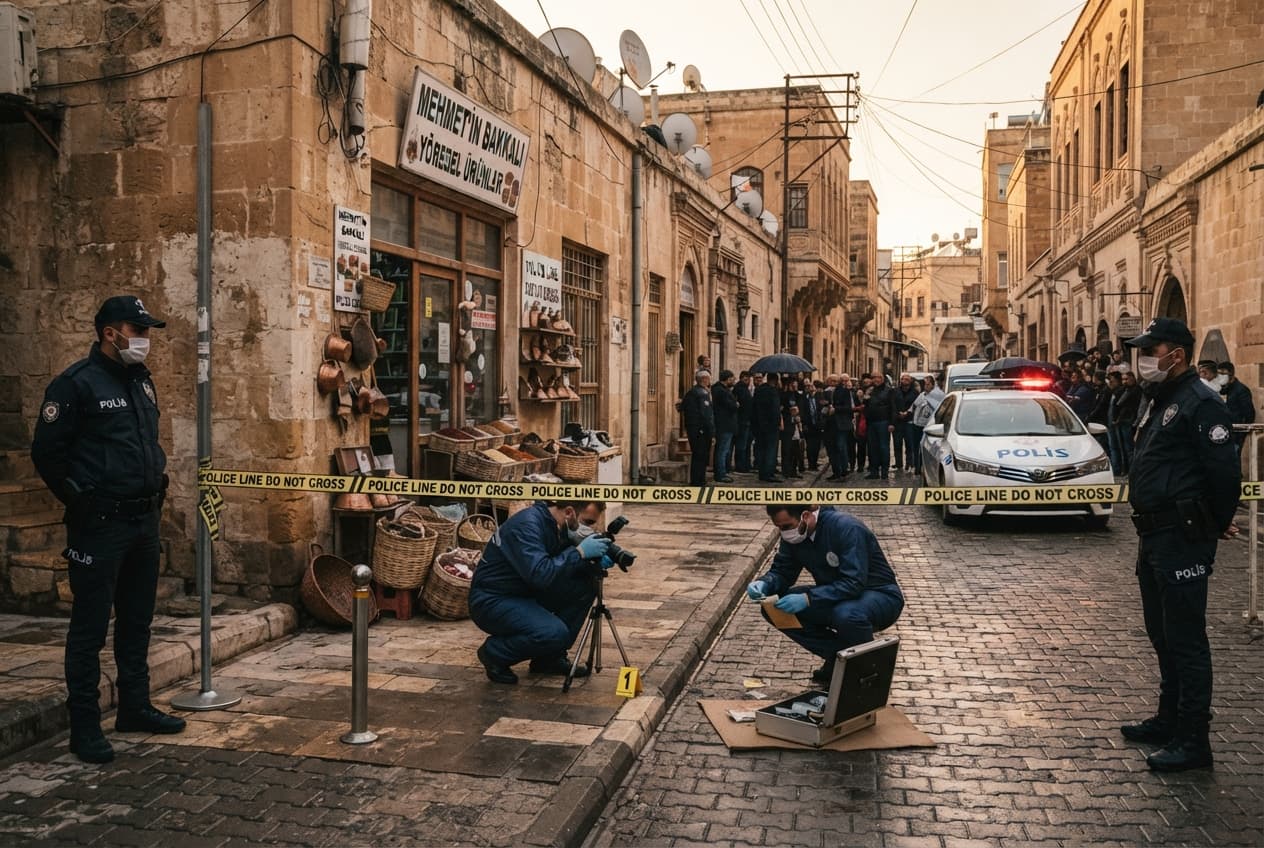
These actions exist within a wider pattern. Interceptions of illicit cargo vessels, narcotics seizures, and expanded coastal patrols reflect a region increasingly aware that the sea is not only a passageway, but a responsibility. Ships no longer move anonymously across blue expanses; their paths are traced, mapped, and watched, their movements forming part of a larger story of accountability and control.
Behind these developments lie quieter human realities. Crews working long voyages. Ports that never sleep. Supply chains that stretch across time zones and political systems. The ocean, indifferent to borders, absorbs all of it—the ambition, the tension, the commerce, the conflict—turning human intention into wake and wave.
For India and other trading nations, the sea is not a distant abstraction. Its tides shape energy prices, economic stability, and daily life far inland. It governs the cost of fuel, the rhythm of industry, and the quiet assumptions of reliability that modern economies depend on. When the sea becomes uncertain, everything that flows from it feels less secure.
In this unfolding chapter, the ocean remains unchanged in form yet altered in meaning. It is still vast, still open, still indifferent—but increasingly structured by law, surveillance, and strategic presence. The future of these waters will not be written in a single action or decision, but in accumulated movements: ships redirected, routes monitored, boundaries enforced, and norms redefined.
And so the tides continue, steady and unbroken, carrying with them the weight of human systems layered onto an ancient element. The water moves as it always has, while the world above it learns, slowly and deliberately, that even the most open spaces require care, restraint, and shared responsibility.
India has recently seized sanctioned tanker vessels linked to Iran and expanded maritime surveillance in its waters, while Iran’s actions in the Strait of Hormuz have renewed global focus on maritime security and the protection of international trade routes.
AI Image Disclaimer
Illustrations were created using AI tools and are not real photographs.
Sources (Media Names Only)
Reuters Associated Press Algemeiner Times of India Business Standard
Published by Banx Network. This article is part of the Banx decentralized media programme, powered by the BXE token on the XRP Ledger.