
Key Highlights
- India has seized Iranian-linked tanker vessels amid rising tensions.
- Iran's military exercises in the Strait of Hormuz have raised global maritime security concerns.
- Increased surveillance and patrols reflect a shift in regional maritime responsibility.
In the vast expanse where ocean meets sky, the sea holds the memories of countless journeys, echoing the routes of ancient mariners and the silent agreements of trade. This body of water, while seemingly indifferent, carries the weight of human history and choices, shaping the geopolitical landscape of today.
Recent developments have underscored the fragility of maritime chokepoints, particularly following Iran's temporary closure of the Strait of Hormuz for military exercises. This strategic waterway, crucial for global oil transport, has become a focal point of tension, highlighting the vulnerabilities of international trade corridors that rely on its uninterrupted passage. As ships slowed their movements, a sense of unease rippled through global markets, affecting energy flows and diplomatic relations.
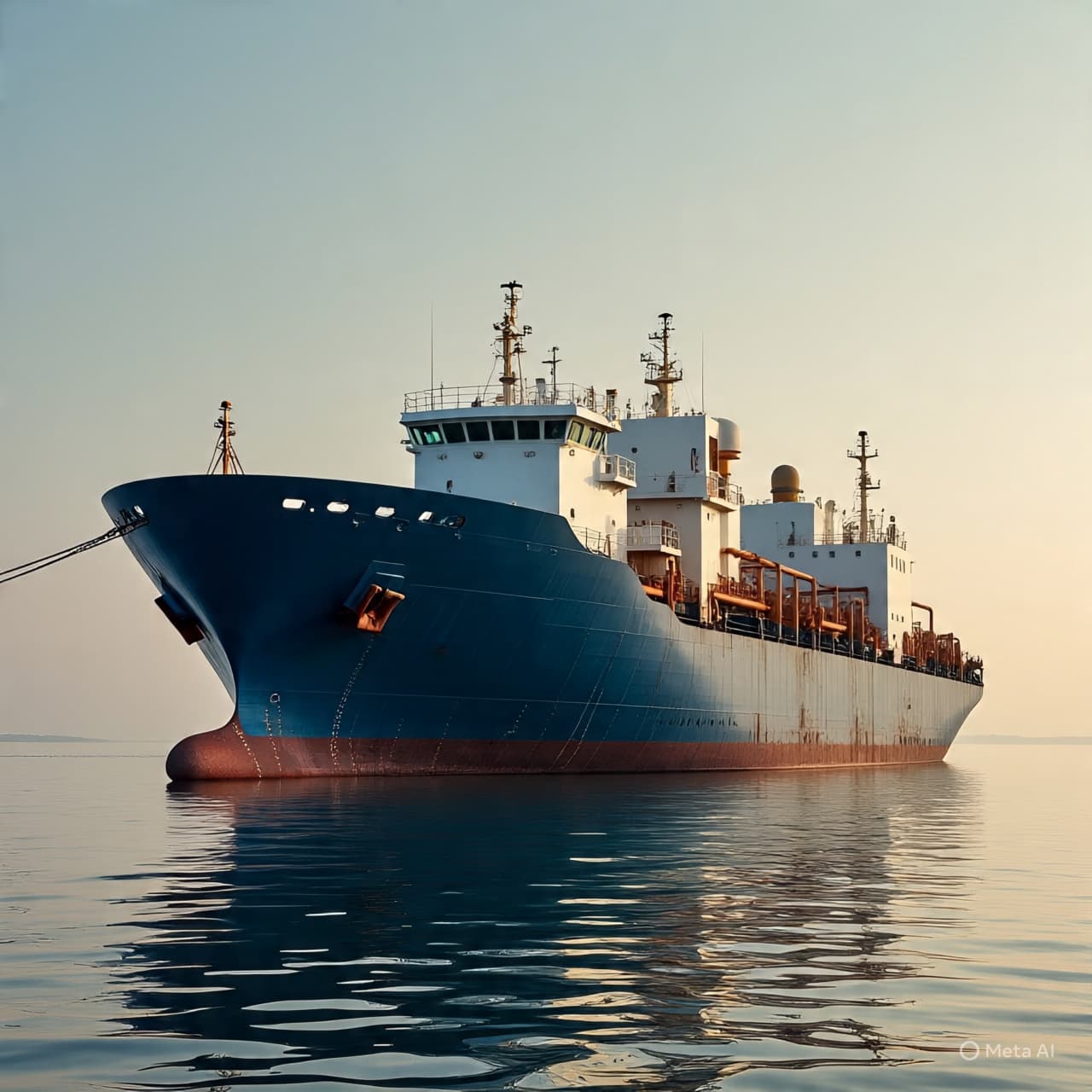
In response to these tensions, India has taken decisive action. Authorities have seized tanker vessels linked to Iranian networks, signaling a shift from passive observation to active enforcement of maritime laws. This move is part of a broader strategy to enhance surveillance across offshore zones, reflecting a growing recognition that the sea is not merely a passageway but a shared responsibility among nations. India's increased maritime presence is no longer symbolic; it is a structural response to the evolving geopolitical landscape.
These actions are not isolated. They are part of a larger trend where nations are increasingly aware of the need to monitor and control maritime activities. Interceptions of illicit cargo, narcotics seizures, and expanded coastal patrols illustrate a region grappling with the complexities of maritime governance. Ships are no longer anonymous entities traversing the ocean; their movements are tracked and scrutinized, contributing to a narrative of accountability and control.
The implications of these developments extend beyond the immediate maritime environment. For countries like India, the ocean is integral to economic stability, influencing energy prices and the reliability of supply chains. The uncertainty in maritime security translates into broader economic concerns, affecting everything from fuel costs to industrial rhythms. As the sea becomes a site of contention, the repercussions are felt far inland, where daily life is intertwined with the ebb and flow of maritime trade.
As this chapter unfolds, the ocean remains unchanged in its vastness yet increasingly structured by law and surveillance. The future of these waters will not be determined by a single event but by a series of actions—redirected ships, monitored routes, and redefined norms. The tides continue to flow, carrying with them the complexities of human systems layered onto an ancient element, reminding us that even the most open spaces require care, restraint, and shared responsibility.
In summary, India's recent actions in maritime surveillance and the seizure of sanctioned vessels linked to Iran highlight a significant shift in regional dynamics. As the Strait of Hormuz remains a critical point of focus, the interplay of national interests and global trade security will shape the future of maritime relations in this vital region.
Published by Banx Network. This article is part of the Banx decentralized media programme, powered by the BXE token on the XRP Ledger.



