In the narrow cobblestone streets of Rome, where sunlight spills across ocher walls and the echo of history lingers in every arch, political currents are stirring once again. The city’s rhythm, usually measured by the footsteps of tourists and the ringing of Vespa bells, now carries a quieter tension. At the center of this murmur, Italy’s tourism minister has tendered a resignation, a gesture that seems both sudden and inevitable, framed by the fallout from a recent referendum that failed to pass.
The minister’s departure is more than a personal decision; it is a signal of uncertainty threading through a nation deeply intertwined with its cultural identity. Tourism, the lifeblood of countless towns from Amalfi to Siena, now finds itself shadowed by political unpredictability. Analysts note that the referendum’s failure, reflecting broader public sentiment, has left policymakers navigating a delicate balance between economic imperatives and public trust. The minister, whose portfolio bridged Italy’s rich historical legacy with modern economic pressures, stepped down amid a swirl of commentary and speculation, leaving colleagues and citizens alike contemplating the path forward.
Observers in Rome describe the mood as introspective, almost hesitant, as cafes bustle with patrons discussing the implications quietly over espresso. The resignation underscores how governance, cultural stewardship, and public opinion are inextricably linked. While the streets remain alive with daily life, the corridors of power echo with questions about priorities, strategy, and the resilience of Italy’s tourism sector in a landscape punctuated by political shifts. In this moment, the minister’s choice stands as a reflection of the challenges facing Italy: sustaining vibrancy, honoring heritage, and adapting to the unexpected ripples of civic decision-making.
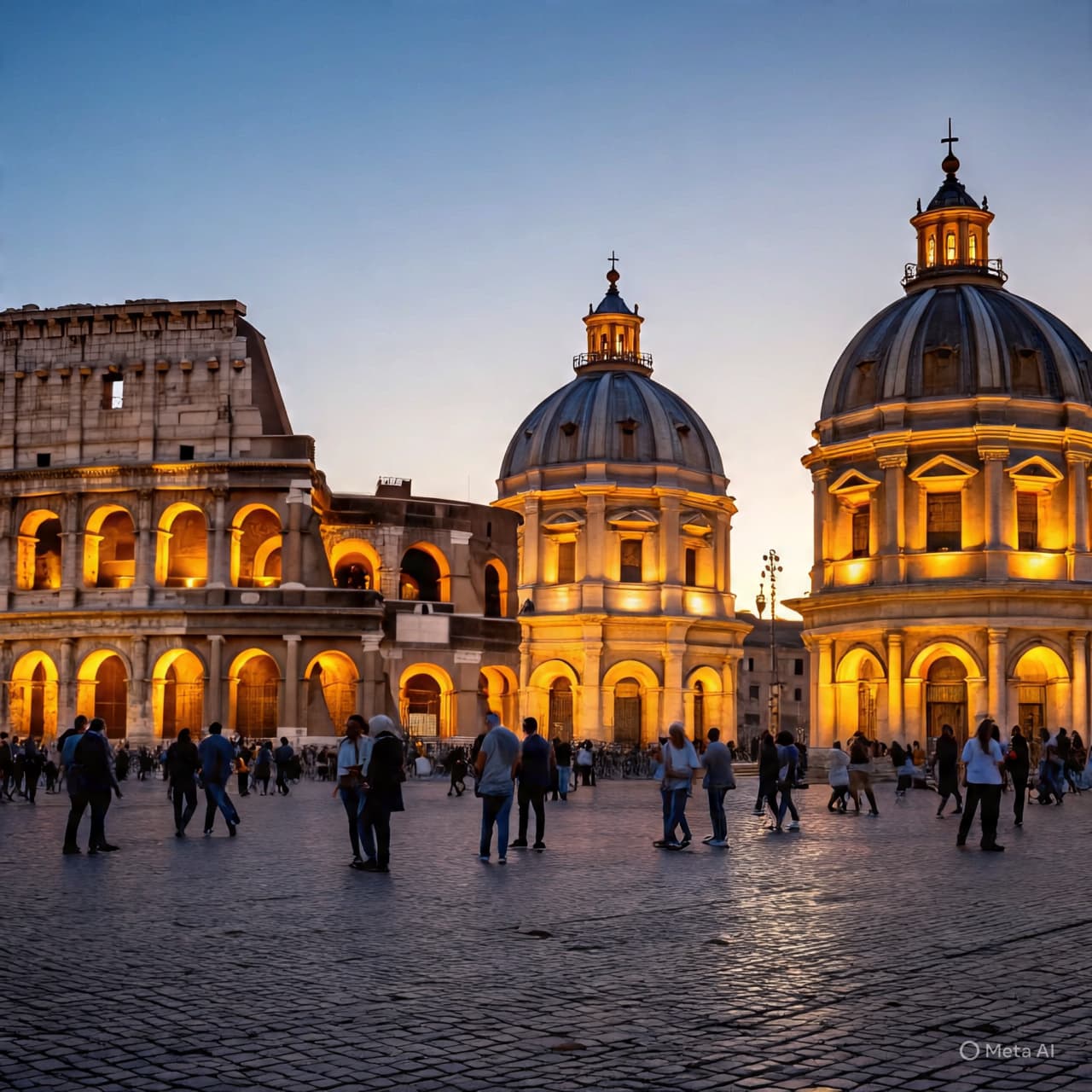
As the sun sets over the piazzas, gilding the domes and statues in amber light, the resignation feels less like an end than a turning point. Italy’s tourism ministry, like the country itself, must now navigate the interplay of history, politics, and economy, with the eyes of both citizens and the world watching. Change, in this case, is as much a matter of timing as it is of intention, a reminder that even in a land steeped in permanence, the currents of governance and public will can shift with surprising speed.
AI Image Disclaimer Illustrations were created using AI tools and are not real photographs.
Sources Reuters The Guardian ANSA BBC News Financial Times
Published by Banx Network. This article is part of the Banx decentralized media programme, powered by the BXE token on the XRP Ledger.