Full Article (≈ 3-minute read) When a disease once thought largely vanquished begins to surge again, it’s more than a local health scare — it’s a national wake-up call. South Carolina is currently experiencing the largest measles outbreak in the United States in decades, with nearly 850 confirmed cases and hundreds more in quarantine as of late January 2026.
This outbreak, centered in the “Upstate” region of Spartanburg and Greenville counties, began in October 2025 and has grown rapidly in communities where vaccination rates are notably low. Health officials say the vast majority of infections — more than 90 % — are among people who are unvaccinated, while only a small fraction are fully vaccinated.
That concentrated surge has already spilled beyond South Carolina’s borders, with linked cases reported in other states, underlining how easily this highly contagious disease can travel in a mobile and interconnected nation.
Public health experts say the implications extend far beyond a single state’s borders. For decades, the U.S. proudly carried an official “measles elimination” status, a designation given in 2000 when endemic transmission had been halted. But recent outbreaks — including those in South Carolina, Texas in 2025, and other under-vaccinated pockets — mean that status is at risk of being lost if outbreaks persist or become established.
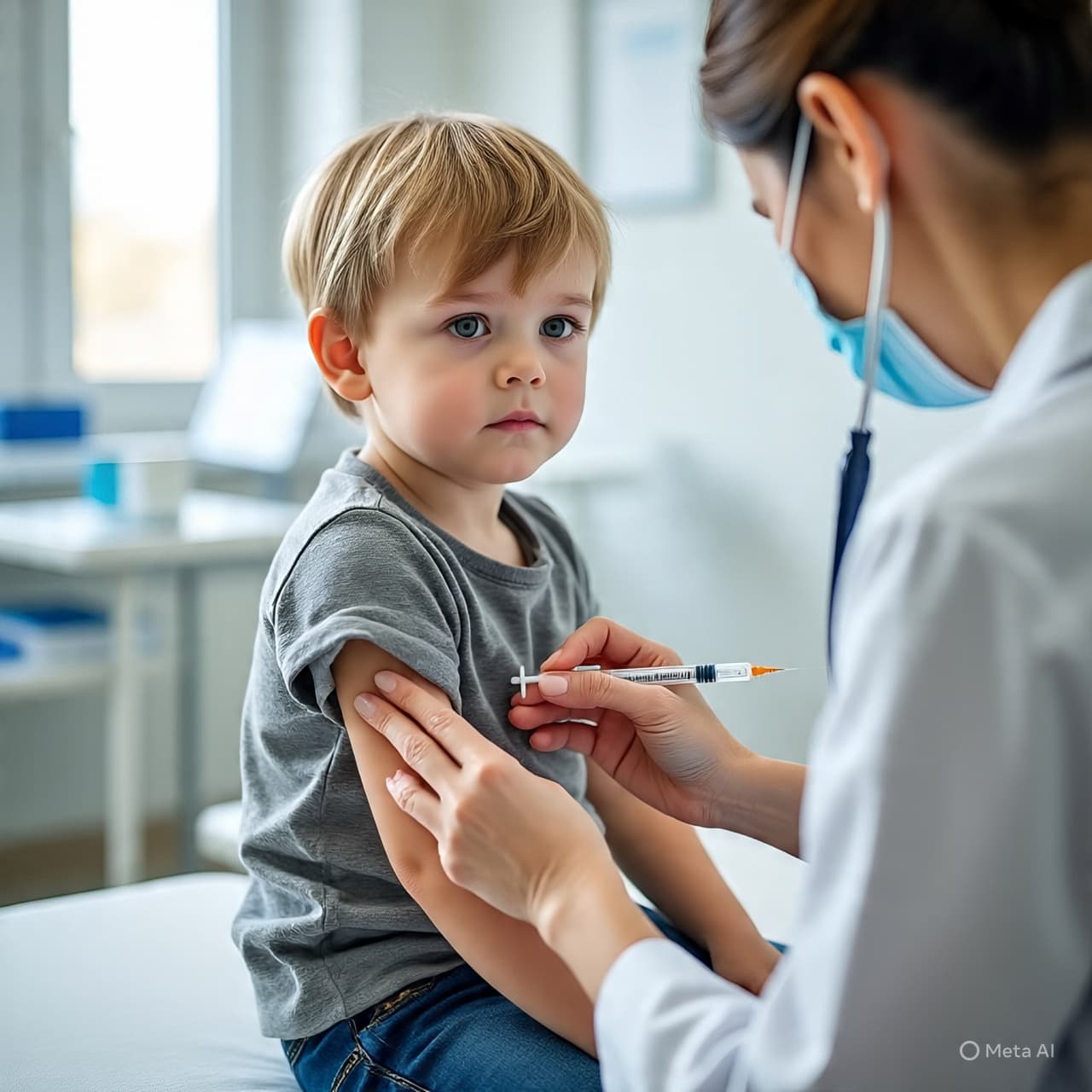
At the heart of the problem are declining vaccination rates. To interrupt transmission of measles, public health authorities say about 95 % of the population needs to be immunized with two doses of the MMR (measles-mumps-rubella) vaccine. When immunization drops below that threshold — as it has in some communities in South Carolina — the virus can spread rapidly, especially among school-aged children.
The consequences of that gap are already visible. Hundreds of students and other residents have been quarantined for extended periods, interrupting schooling and daily life. Some cases have led to hospitalizations, and health officials warn that measles can lead to serious complications, particularly among very young children, pregnant women, and people with weakened immune systems.
The outbreak also reflects broader shifts in American attitudes toward vaccination. Health experts report mixed acceptance of vaccines in outbreak areas, with some families eager to protect their children and others resisting immunization due to mistrust of medical institutions or misinformation.
What is happening in South Carolina serves as a cautionary tale for other states and regions. A localized decline in vaccination coverage can quickly become a national problem when a disease as contagious as measles moves through communities. With domestic and travel-linked cases appearing across multiple states, the outbreak underscores how even isolated pockets of vulnerability can spark wider spread.
For public health officials, maintaining high vaccination coverage is not simply about preventing an outbreak here or there — it’s about protecting population immunity nationwide. The U.S.’s ability to control not just measles but many other vaccine-preventable diseases depends on strong immunization systems, effective communication, and community trust in science and medicine.
In the interplay between local outbreaks and national health, South Carolina’s experience is a reminder that the strength of a community’s shield against disease rests on the readiness of many, not the choice of a few.
AI Image Disclaimer (Rotated Wording) Visuals are AI-generated and intended for conceptual depiction, not real photographs.
Sources The Washington Post on South Carolina’s extensive measles outbreak and vaccination context. Reuters reporting on the state’s case numbers and low vaccination rates driving spread. CDC and public health commentary on measles elimination status risk and national implications. CIDRAP overview on U.S. measles case surge and South Carolina contribution.
Published by Banx Network. This article is part of the Banx decentralized media programme, powered by the BXE token on the XRP Ledger.