There are moments when science feels less like a straight path forward and more like a constellation—separate points of discovery that, when connected, begin to form a larger picture. This week, three such points emerged: a bold new propulsion concept, a quiet biological challenge in space, and a familiar human experience traced back to the brain.
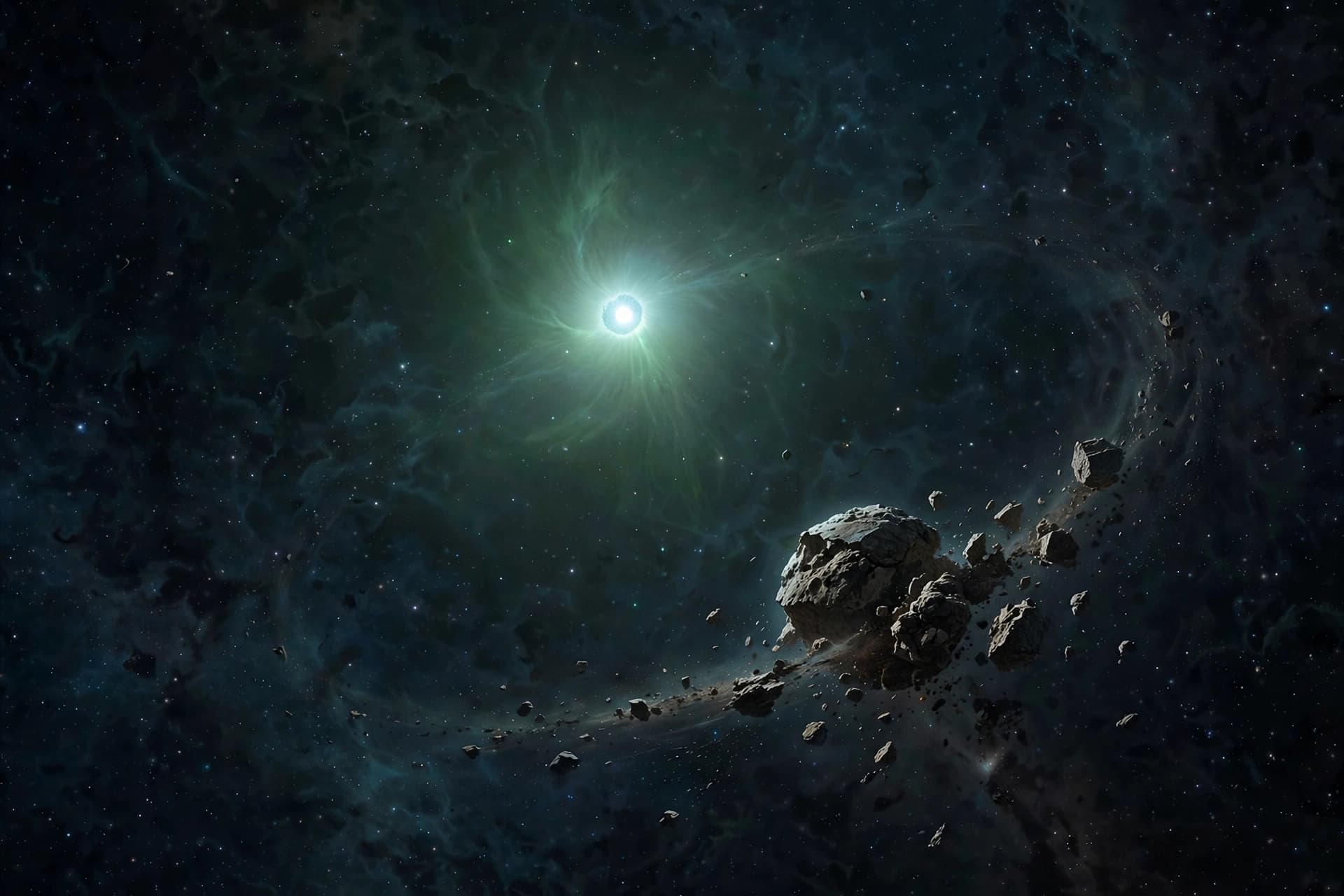
At the frontier of exploration, has taken another step toward reimagining how humanity might travel beyond Earth. The agency is advancing plans for a nuclear-powered rocket, a system designed to dramatically shorten travel time to destinations like Mars. Unlike conventional chemical propulsion, nuclear thermal propulsion uses a reactor to heat propellant, allowing spacecraft to achieve greater efficiency and speed.
The implications are significant. Faster journeys could reduce astronaut exposure to cosmic radiation and make long-duration missions more feasible. In a sense, it is not just about moving quicker—it is about making deep space more reachable, turning distant ambitions into nearer horizons.
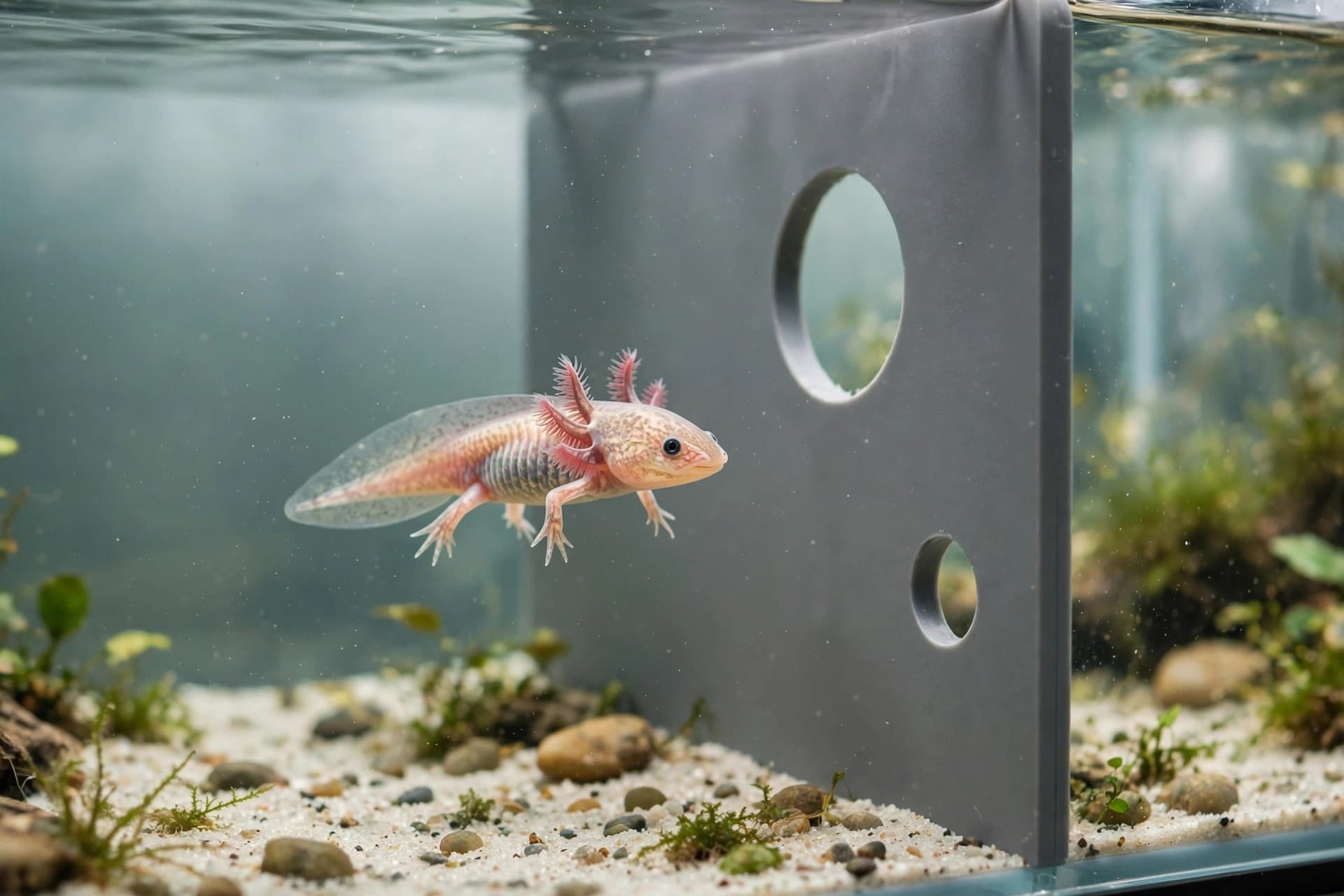
Yet, even as technology pushes outward, biology offers a quiet reminder of complexity. Research into human reproduction in space continues to reveal unexpected challenges. In microgravity, fundamental processes such as sperm movement and embryo development behave differently. Without Earth’s gravity as a guide, cells struggle to organize and function in familiar ways.
Radiation compounds the difficulty. Beyond the protective shield of Earth’s magnetic field, genetic material faces increased risk, raising questions about long-term health and viability. Together, these findings suggest that sustaining human life in space is not simply a matter of engineering—but of understanding life itself in entirely new conditions.
Back on Earth, another study turns inward, exploring something far more familiar: the sudden hunger often associated with cannabis use. Scientists have traced this effect to the brain’s endocannabinoid system, which plays a role in regulating appetite and energy balance.
When compounds in cannabis interact with receptors in the brain—particularly in regions linked to smell and reward—they enhance sensory perception and stimulate hunger signals. Food becomes more appealing, aromas more intense, and the body responds accordingly. What feels like a simple craving is, in fact, a finely tuned biological response.
Taken together, these developments reflect the breadth of modern science. One reaches toward the stars, seeking faster paths through the void. Another examines the limits of life beyond Earth. And a third looks closely at the human body, uncovering the mechanisms behind everyday experiences.
They are different stories, yet they share a common thread: each reveals how much remains to be understood—whether in the vastness of space or within ourselves.
AI Image Disclaimer Graphics are AI-generated and intended for representation, not reality.
Source Check Credible coverage exists from:
Nature Science Advances The Guardian Space.com
Published by Banx Network. This article is part of the Banx decentralized media programme, powered by the BXE token on the XRP Ledger.