
Key Highlights
- AI Integration:Farmers and educators in India are adopting AI technologies to enhance productivity.
- Efficiency Gains:AI-assisted tools are significantly reducing time and effort in agriculture and education.
- Balancing Tradition:The integration of AI raises questions about maintaining traditional practices alongside technological advancements.
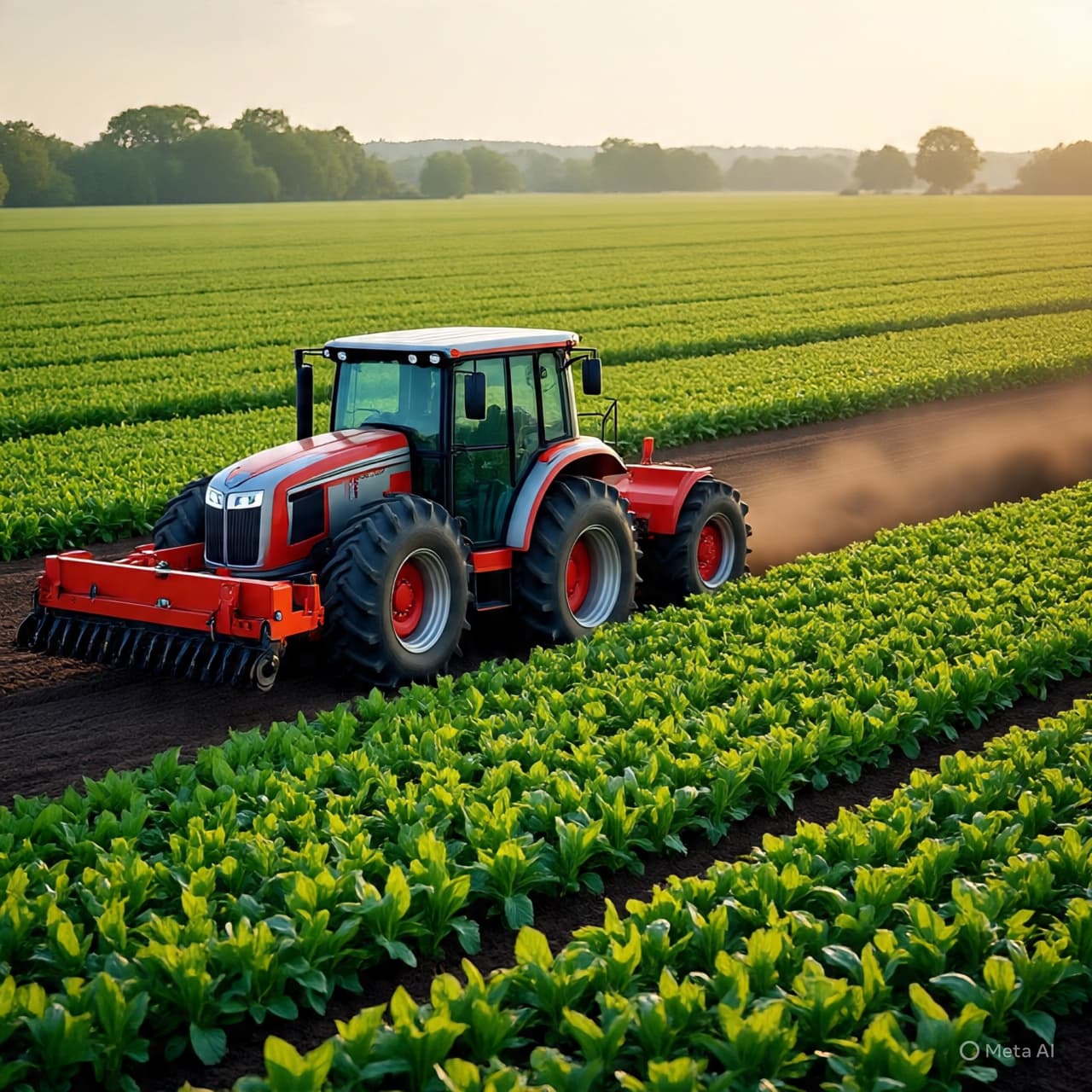
Artificial intelligence is quietly transforming various sectors in India, particularly agriculture and education, where traditional practices meet modern technology. In the fields of northern India, farmers are experiencing a revolution as AI-assisted tractors take over tasks that once required significant manual labor. Bir Virk, a local farmer, has witnessed firsthand how these machines, equipped with advanced algorithms, can plant, fertilize, and harvest crops autonomously. This innovation has halved the time he spends on these tasks, allowing him to focus on sustaining agricultural traditions while benefiting from the efficiency that technology provides.
In urban centers like New Delhi, the impact of AI is equally profound. Educators are leveraging software to automate the grading of exams, a task that previously consumed hours of their time. Swetank Pandey, an educator, notes that the use of AI to scan and evaluate answer sheets has freed teachers to concentrate on refining their teaching materials and providing personalized guidance to students. This shift not only enhances the educational experience but also allows for a more strategic approach to teaching, where educators can focus on fostering critical thinking rather than merely managing workloads.
The integration of AI in these sectors is not a sudden upheaval but a gradual evolution, akin to a river widening as it receives tributaries. Across India, businesses and startups are exploring innovative ways to harness algorithms and automation, aiming to reduce costs and improve efficiency. This trend reflects the country's growing digital infrastructure and a population increasingly connected to the internet, creating a fertile environment for data-driven technologies.
However, the rise of AI also prompts important questions about the future of work and the balance between efficiency and tradition. As machines take on roles once filled by human hands, society must consider how to integrate these tools thoughtfully. Farmers and educators alike express a desire to maintain the human element in their work, emphasizing the importance of ensuring that technology complements rather than replaces human experience.
As the first half of the year unfolds, the stories emerging from fields in Karnal to classrooms in the capital illustrate a pivotal moment in India's technological journey. AI is not merely a disruptive force; it is a gentle breeze reshaping established paths, encouraging a harmonious blend of innovation and tradition. This balance is crucial as the country navigates the complexities of modernity while honoring its rich cultural heritage.
Published by Banx Network. This article is part of the Banx decentralized media programme, powered by the BXE token on the XRP Ledger.



