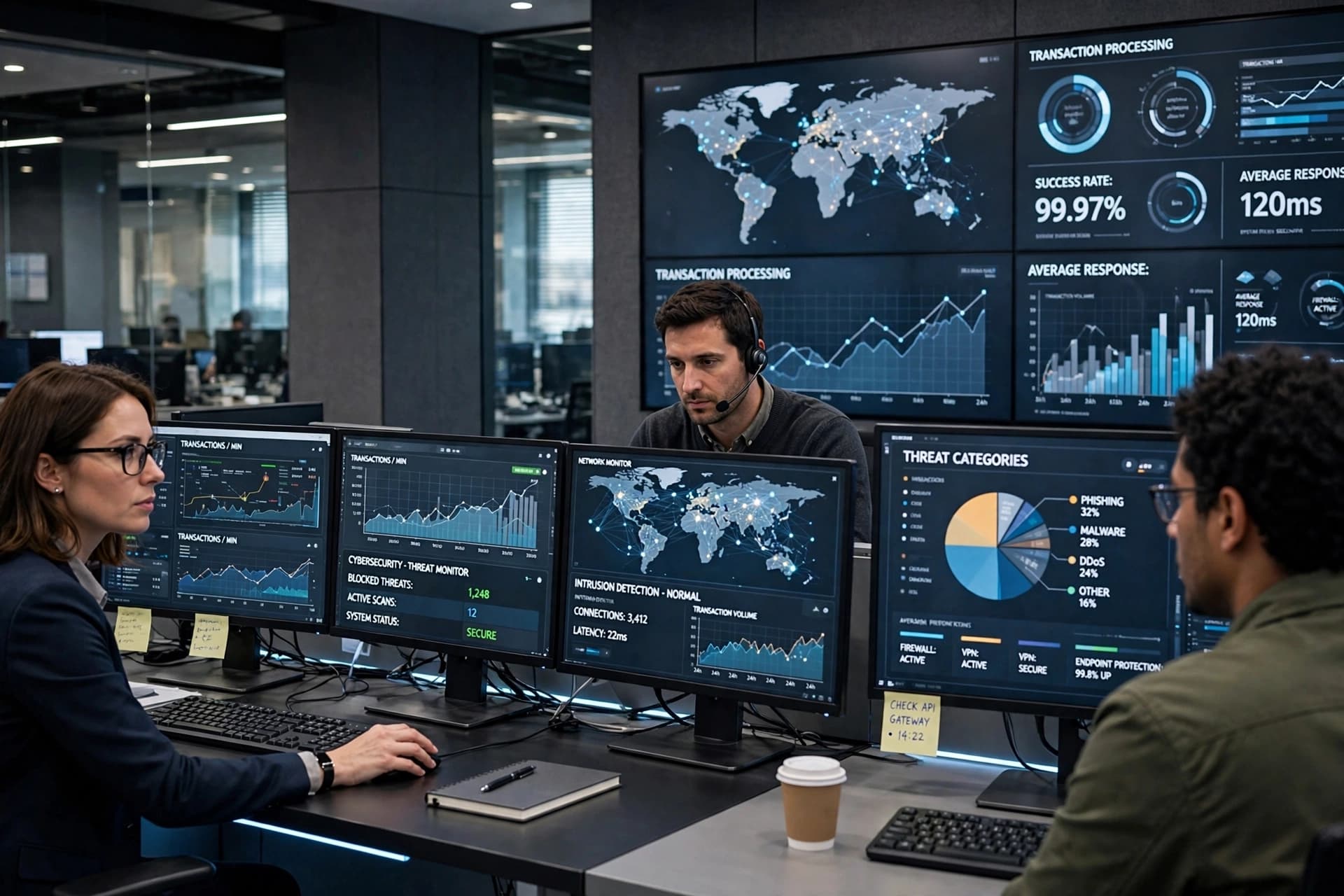
Morning in the modern office begins less with the rustle of paper than with the soft glow of screens. Emails arrive in quiet succession, documents open across multiple tabs, and digital assistants—once simple tools—now hover closer to the rhythms of daily work.
Somewhere between a spreadsheet calculation and a drafted memo, the idea of a “coworker” is beginning to change.
In its latest move toward that future, Microsoft has turned to Anthropic to expand the capabilities of its AI-powered workplace assistant, Copilot.
The collaboration reflects a broader ambition unfolding across the technology industry: transforming artificial intelligence from a passive tool into a more active digital collaborator—what many in the field now describe as an “AI agent.”
These systems are designed to do more than simply respond to prompts. Instead, they can perform tasks across multiple applications, interpret instructions, and carry out sequences of actions that resemble the work traditionally handled by human employees.
For Microsoft, the effort builds upon its rapidly expanding Copilot ecosystem, which has already been woven into products like Microsoft 365 and development platforms across the company’s software landscape.
By incorporating technology from Anthropic—known for its advanced AI model called Claude—Microsoft hopes to strengthen the reasoning and task management capabilities that define these emerging AI agents.
The move comes as competition in the AI industry continues to accelerate. Technology companies are exploring how digital assistants can move beyond answering questions or generating text, evolving instead into systems capable of coordinating complex workflows.
In practical terms, such tools might schedule meetings, gather information from different software systems, draft reports, and summarize conversations—all with minimal direct input from users.
The concept suggests a subtle shift in how work itself may unfold.
Where traditional software responds only to explicit commands, AI agents are designed to anticipate tasks and carry them forward through multiple steps. A single instruction might trigger a sequence of actions: gathering data, organizing documents, or preparing summaries for human review.
For employees navigating increasingly complex digital environments, these capabilities promise to reduce routine workloads. But they also raise broader questions about how technology will reshape the relationship between people and the systems they rely on.
Microsoft has been steadily positioning itself at the center of that transformation. Through partnerships, internal research, and integrations across its cloud platforms, the company has sought to embed AI deeply into everyday software tools.
The decision to work with Anthropic adds another layer to that strategy, bringing together two organizations focused on building increasingly sophisticated language models and intelligent software systems.
In offices around the world—from bustling corporate towers to quiet home workspaces—the changes may arrive gradually.
A document summary that appears automatically. A calendar rearranged with minimal effort. A research task completed by a digital assistant before the first meeting of the day.
These moments are small on their own, but together they hint at a workplace where artificial intelligence becomes less like a tool and more like a collaborator.
The transformation is still unfolding, and many of its contours remain uncertain.
But as companies like Microsoft and Anthropic continue to refine their systems, the quiet hum of computers in offices everywhere may soon carry a different meaning—less the sound of machines waiting for commands, and more the presence of digital partners working alongside their human counterparts.
AI Image Disclaimer Visuals are AI-generated and serve as conceptual representations.
Sources Reuters Bloomberg The Wall Street Journal The Verge Financial Times
Published by Banx Network. This article is part of the Banx decentralized media programme, powered by the BXE token on the XRP Ledger.