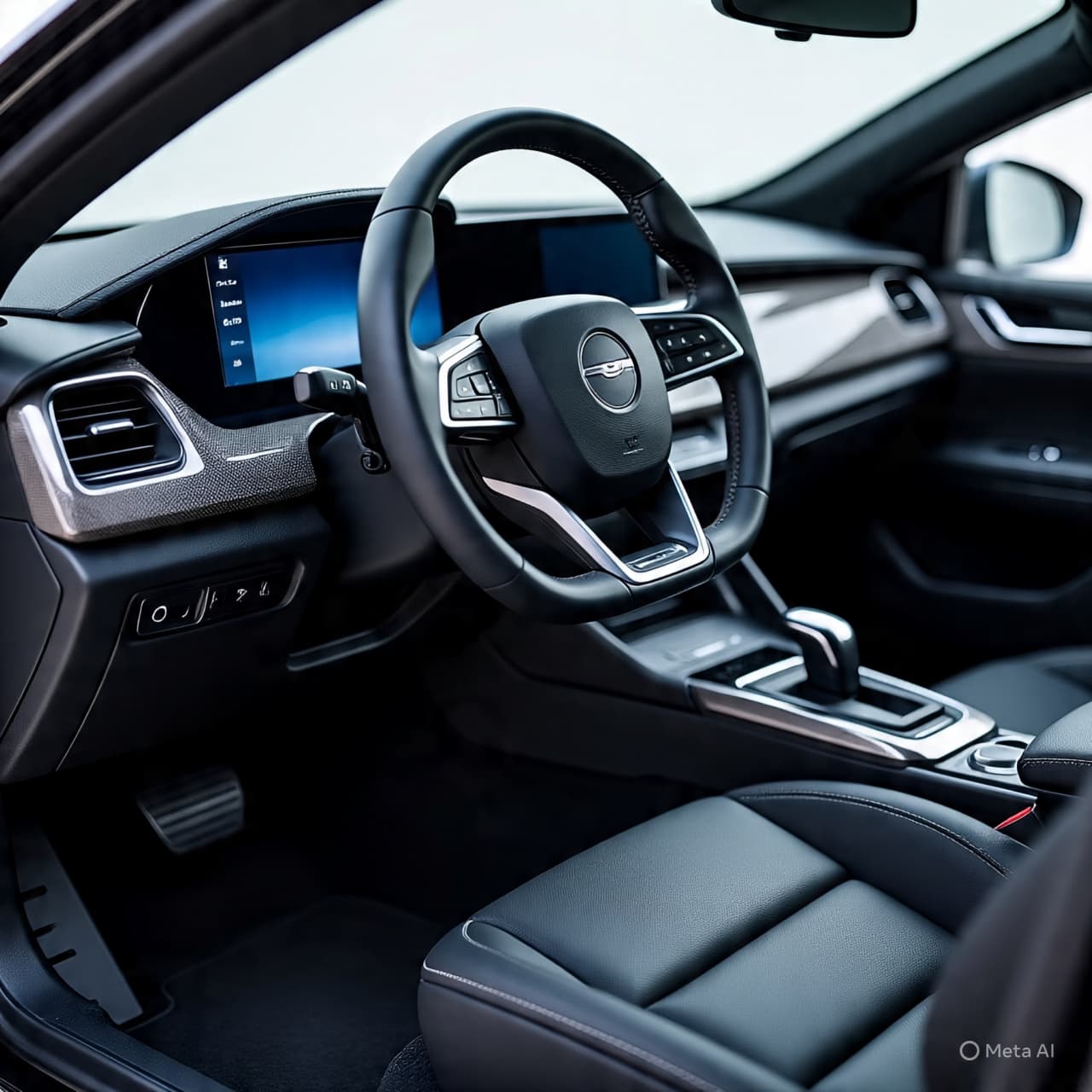
In the world of high-performance cars, tradition often moves at the pace of engineering. Yet as the automotive industry shifts toward electrification, design itself is becoming a new frontier—one shaped as much by technology as by speed. Ferrari’s upcoming electric sports car reflects that transition, bringing an unexpected name into the heart of its design process.
Jony Ive, the former Apple design chief best known for shaping the look and feel of the iPhone, has contributed to the interior of Ferrari’s first fully electric model through his design studio, LoveFrom. The collaboration signals a meeting point between two industries that increasingly share the same language: precision, minimalism, and the integration of digital experience into physical form.
The vehicle, known as the Luce, is expected to represent Ferrari’s entry into the electric era. While the exterior has yet to be revealed, early details about the cabin suggest a design philosophy focused on clarity and restraint. The interior is described as minimalist, with subtle references to the aesthetic language of the 1980s, combining tactile elements with contemporary display technology.
Materials play a central role in the concept. The cabin incorporates recycled aluminum, advanced glass surfaces, and high-resolution OLED displays, reflecting a broader industry shift toward sustainability and digital integration. One of the defining features is a rotating central console, allowing the main screen to pivot between the driver and passenger, reinforcing the idea of a shared, interactive space.
For Ferrari, the collaboration comes at a moment of strategic transformation. The company has been gradually expanding its electrified lineup through hybrid models while preparing for a fully electric vehicle that must meet the expectations of both performance enthusiasts and a new generation of technology-focused customers.
Bringing in a designer associated with consumer technology underscores how the definition of luxury is evolving. In modern vehicles—especially electric ones—the user experience inside the cabin is becoming as important as the engineering beneath the bodywork. Interfaces, materials, and the emotional feel of the space now play a larger role in brand identity.
The full unveiling of the model, including its exterior design and technical specifications, is scheduled for May 2026. Until then, the project offers a glimpse into how legacy performance brands are redefining themselves for an electric future.
As the automotive world moves away from combustion engines, the next era of competition may be shaped not only by power and range, but by design thinking—where the instincts of a smartphone designer and the heritage of a racing icon begin to converge.
Published by Banx Network. This article is part of the Banx decentralized media programme, powered by the BXE token on the XRP Ledger.