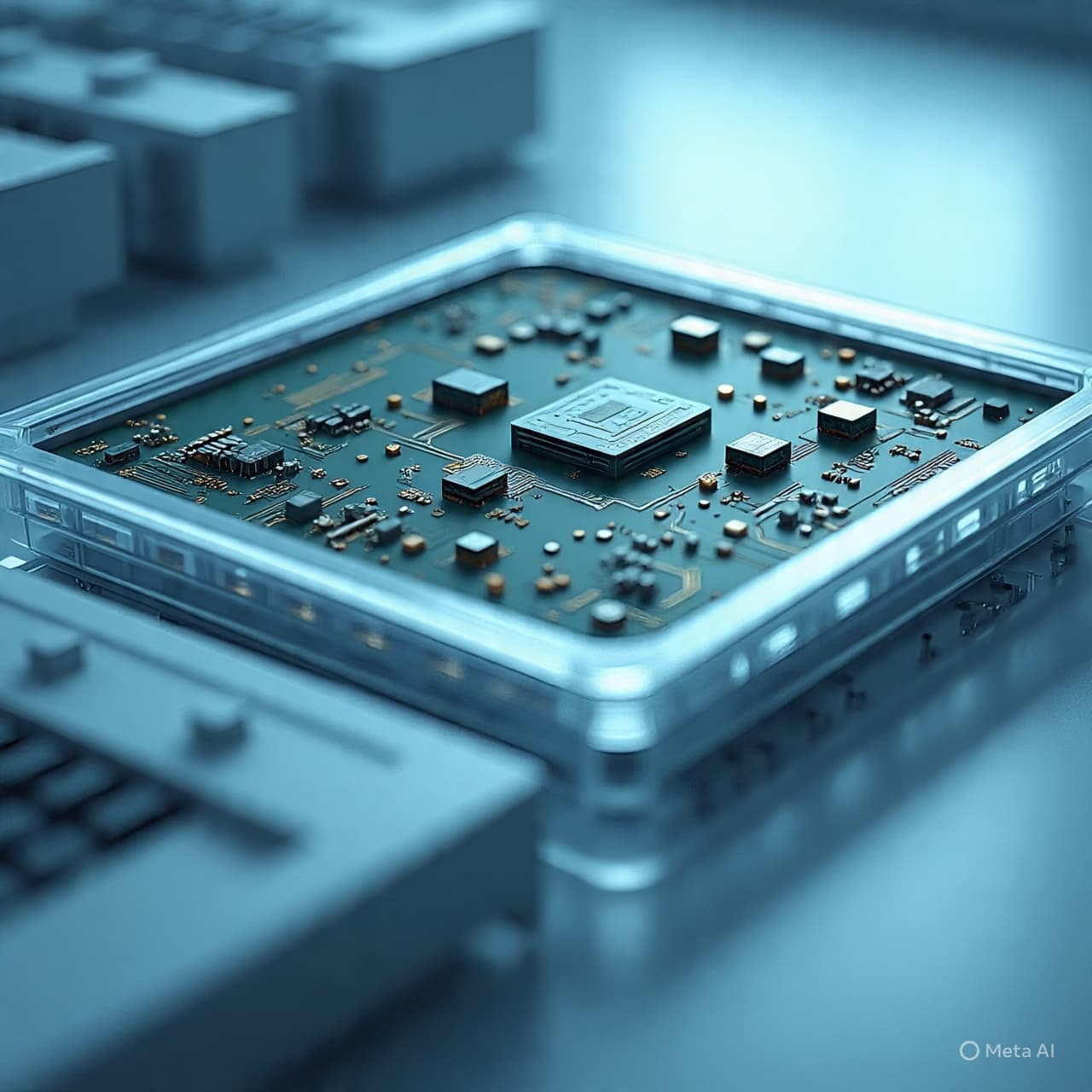
In the gentle hum of convention halls and the soft glow of announcement stages, there sometimes appears a moment that feels more like a ripple than a blast a subtle shift in a long-running narrative. At CES 2026, as lights and projectors converged on Las Vegas, Intel invited the world to lean in and witness such a moment: the arrival of its Core Ultra Series 3 processors, the first wave of silicon built on the Intel 18A process. In this quiet overture to a new era of computing, the story of semiconductors felt less like a battleground and more like a journey toward meaningful refinement and possibility.
In the heart of the announcement was the promise of something deeper than raw numbers. The 18A process node — Intel’s most advanced manufacturing technology yet represents years of engineering patience and a steadfast belief in in-house innovation. This isn’t merely an incremental tick on a roadmap; it is the product of ribbons and power delivery layers, of transistors and architecture designed to squeeze more performance into thinner wafers and lighter laptops. From rugged edge devices to artist studios and everyday workhorses, the Series 3 chips aim to marry energy efficiency with capability.
At its core both literally and metaphorically the Panther Lake-branded processors offer a rich blend of compute, graphics, and AI horsepower. With up to 16 CPU cores and the newest generation of integrated GPUs, the line stretches from nimble multitaskers to mobile platforms that don’t flinch at demanding creative workloads. Early performance figures shared by partners suggest meaningful gains in multi-threaded workloads and battery longevity, painting a picture of notebooks that linger longer between charges and respond with a kind of attentive ease.
Yet, beyond the technical lexicon of cores and transistors, the launch carries a quieter significance. For Intel, the march to 18A has not been simply a sprint toward smaller numbers on a spec sheet; it has been a test of manufacturing resilience and strategic patience. In a landscape dotted with fierce competition and frequent headlines about leaps made elsewhere, this rollout is a subtle reminder that progress often travels through sustained craft rather than sudden leaps.
Partners and manufacturers more than 200 designs strong have pledged to weave these processors into laptops, convertibles, and other form factors. In doing so, they illustrate a shared belief that this generation of silicon will help define the next phase of personal and professional computing. And while the true measure of its impact will unfold in the hands of users, the Series 3 launch feels like a thoughtful stepping stone rather than a boastful leap.
As the applause settled and screens dimmed in the vast halls of CES, the Core Ultra Series 3 chips stood as a reflection of both industry momentum and quiet confidence. It is a reminder that in the world of technology, the most enduring innovations are those that first invite us to contemplate their promise before they reshuffle the everyday.
In the months ahead, as systems powered by these processors reach store shelves and desks, the broader computing community will gain its own sense of what this moment means. For now, there is gentle news: a new silicon generation is on the way, powered by Intel’s most advanced node, poised to ripple outward into the devices millions use every day.
AI Image Disclaimer (Rotated Wording) *Visuals are created with AI tools and are not real photographs, intended for conceptual illustration.*
Sources:
1. Newsroom
2. arstechnica.com
3. HotHardware
4. Reuters
5. The Verge
Published by Banx Network. This article is part of the Banx decentralized media programme, powered by the BXE token on the XRP Ledger.