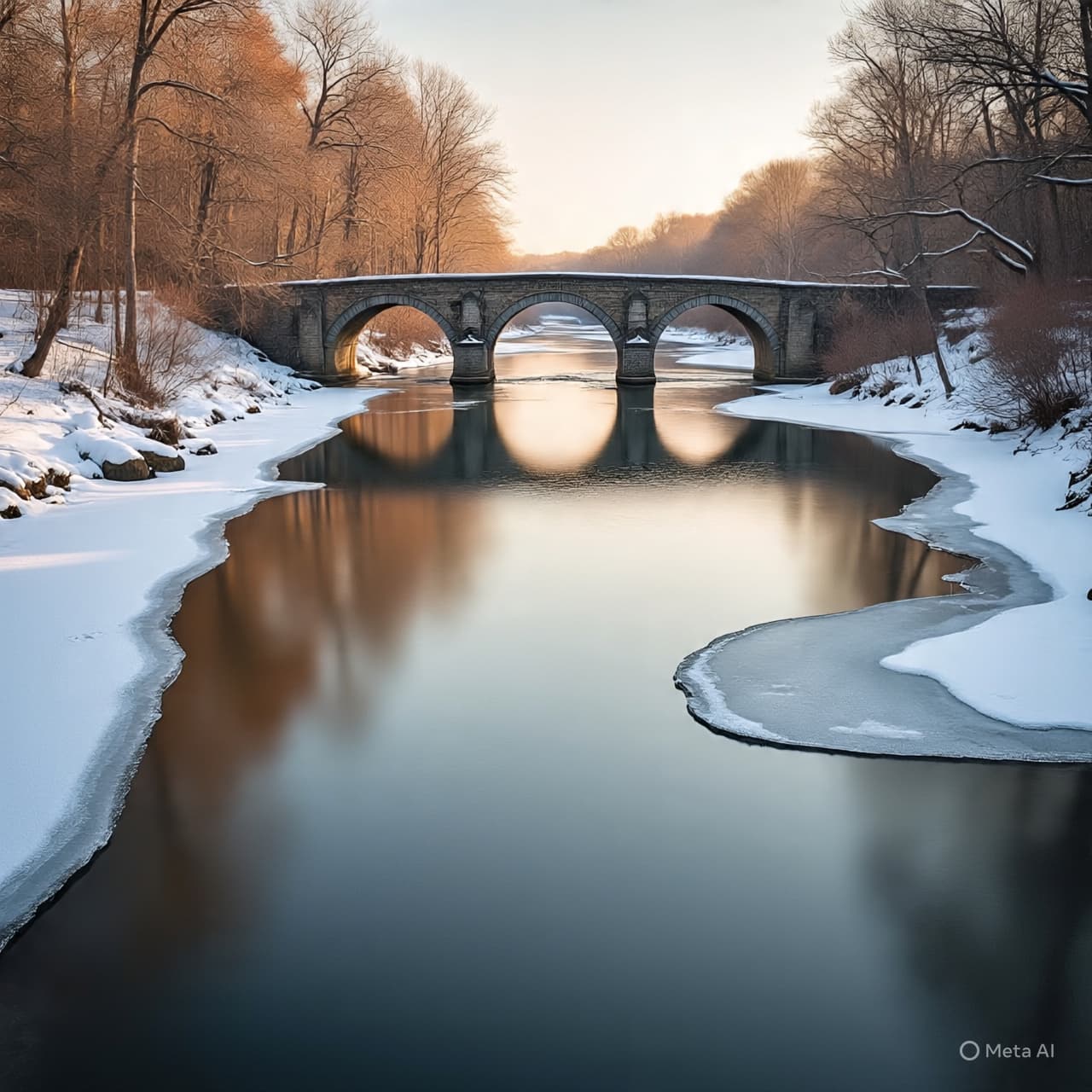
Before the sun fully rose on Kyiv’s broad avenues, the city held its breath between night and dawn. Frost clung to the outlines of buildings, and the Dnieper glimmered in the half–light, as though reluctant to disclose its course until the day had earned it. Here, where quiet and urgency coexist, moments often slip into thought without haste — the rhythm of routine folding softly around the deeper cadence of a nation at war.
In this muted interlude, President Volodymyr Zelenskyy spoke with the voice of someone accustomed to both stillness and motion, a speaker familiar with the distance between hope and reality. His words — measured, reflective, contemplative — traveled far beyond the city’s winter streets. They reached offices and deliberative chambers located thousands of kilometers away, places where choices are weighed and futures edged into being. He spoke not in sudden invective but with the tone of a long season lived under strain, urging distant listeners to see through what he described as subtle maneuvers and carefully crafted gestures — what he called Russia’s “games” — that risk obscuring the genuine contours of peace.
The images of this plea are not simple ones. They belong to the quiet recollection of streets just cleared of snow, children’s steps echoing toward school, and the folding together of everyday life after years of disruption. In that living tapestry, the war is never absent, yet it does not eclipse the narrative of life’s continuation. Zelenskyy’s reflections touched on this interplay: the interplay between belief in tomorrow and the careful negotiation of today. His appeal was to clarity — to discernment that looks beyond surface actions, that weighs intention as carefully as outcome.
He spoke of the notion that a pause in fighting — a pause without ironclad assurances and structural guarantees — could become a fleeting respite rather than a pathway to durable peace. In his view, to pause without foundation is to invite repetition of loss and sorrow. Peace, he suggested, must be built not merely in moments of cessation but in the architecture of security, supported by unwavering commitments that outlast the echo of immediate relief.
Yet even as his words reached distant audiences, there was a tenderness beneath them — an unspoken acknowledgment of weariness and resilience woven into equal measure. He spoke of the war as being at the “beginning of the end,” acknowledging progress without denying the scale of what remains. To call something the beginning of its end is to look both backward and forward: to remember what has been endured and to imagine what still must be undertaken.
Across seas and continents, where words and gestures are translated into policy discussions and press statements, his reflections carried the persistence of lived experience. To those who consider far–removed corridors of power, his voice suggested that peace should not be a bargain between convenience and expediency, nor a fleeting arrangement that dissolves when pressure mounts. Rather, peace should be a promise woven from the steady threads of principle, mutual respect, and the certainty that sovereignty and dignity are protected not only when guns fall silent but when systems are at peace with themselves.
Behind these reflections is a people who have walked through four winters shaped by conflict — a subtle layering of seasons that leave their mark on both landscape and spirit. Snowfall does not diminish the brightness of Kyiv’s plazas; nor does it mute the resolve that people bring to their work and their waiting alike. There is an unhurried quality to everyday life here, even in a time that demands resolute focus. It is the quality of a community that continues its cadence of bread and tea, of morning light on frost, of children’s laughter folding into the rhythm of street corners — all while the larger narrative hums on.
And so, in his appeal to distant leaders, there was no admonition of anger, no clamor of accusation. There was instead a quiet invitation: to see beneath the surface, to discern unfurling intention, and to consider peace not as a transient phrase but as a horizon toward which many feet continue to walk.
In the ongoing dialogue among world leaders, as strategies are weighed and alliances considered, this plea — gentle yet determined — remains part of the broader conversation about how war ends and how life begins again in its wake.
AI Image Disclaimer
Visuals are AI‑generated and serve as conceptual representations.
Source Check
Financial Times Reuters BBC News Associated Press Al Jazeera
Published by Banx Network. This article is part of the Banx decentralized media programme, powered by the BXE token on the XRP Ledger.