There is a quiet that settles over the high deserts of northern Chile as twilight gives way to night — a serenity born of thin air and vast horizon, where stars fade like embers into the velvet darkness. It is the kind of stillness that invites contemplation, the kind that precedes both reflection and revelation. On one recent evening, that calm was quietly pierced not by a single event but by hundreds of thousands of tiny heralds — subtle signals from the cosmos that each carried a story of change, distance, and motion.
The NSF–DOE Vera C. Rubin Observatory, perched atop Cerro Pachón with its wide‑field gaze toward the Southern Hemisphere sky, has begun its long period of nightly observation and, with it, a new era in how we perceive the shifting universe. On the night of February 24, 2026, the observatory’s newly activated alert system generated roughly 800,000 notifications — each representing a detected change in the night sky compared with previous images. In essence, each “ping” was a message: something had moved, brightened, dimmed, appeared, or shown a difference worth noting across the vast tapestry of space.
This torrent of alerts emerged from a sophisticated chain of motion and logic. Rubin’s gargantuan 3.2‑gigapixel camera — the largest digital camera ever built for astronomy — takes wide‑field images of the night sky every few dozen seconds. These fresh observations are compared almost instantly with reference images of the same regions. Whenever the software discerns a change — whether a wandering asteroid, a star building to explosive brilliance, flickers at the heart of a distant galaxy, or a faint object emerging for the first time — it flags that difference and sends a notice to astronomers around the globe. In this first operational night, that process worked so efficiently that nearly a million alerts were dispatched within minutes of capture.
There is a strange beauty in imagining those 800,000 pings spreading outward through the scientific community like ripples on a cosmic pond. Each one may represent phenomena as varied as slowly pulsing stars, debris hugging the edge of our solar system, or the inscrutable edges of far‑off galaxies reshaped by unseen forces. These alerts are not merely data points but invitations to discovery, urging telescopes in other corners of Earth and space to follow up, to look closer, to chase the next clue in the unfolding narrative of the universe’s living story.
Yet this is only the threshold. Rubin’s alert system is designed to grow by orders of magnitude. As the observatory shifts from commissioning into full operation later this year with its decade‑long Legacy Survey of Space and Time (LSST), the volume of nightly alerts is expected to climb into the millions — perhaps seven million per night or more — as it catalogues each subtle shift across the southern sky with relentless regularity.
In that gentle flood of signals, one finds a meditation not just on measurement but on motion itself. The night sky, which once seemed static and immutable to human eyes, reveals its constant dynamism: stars pulse, explode, and fade; asteroids wander across cosmic plains; black holes blaze as matter spirals into their depths. Each alert is a testament to the restless dance of celestial bodies, a dance that had unfolded unnoticed for eons until this new instrument began to listen so intently.
The 800,000 alerts sent on the first night mark more than a technical milestone; they symbolize a shift in perspective — from seeing the heavens as fixed to understanding them as vibrant, ever-changing, and alive with transient phenomena. As Rubin Observatory continues its march across the night sky, astronomers and observers everywhere will be invited to join in a collective watch, to interpret the whispers of a universe that never truly sleeps.
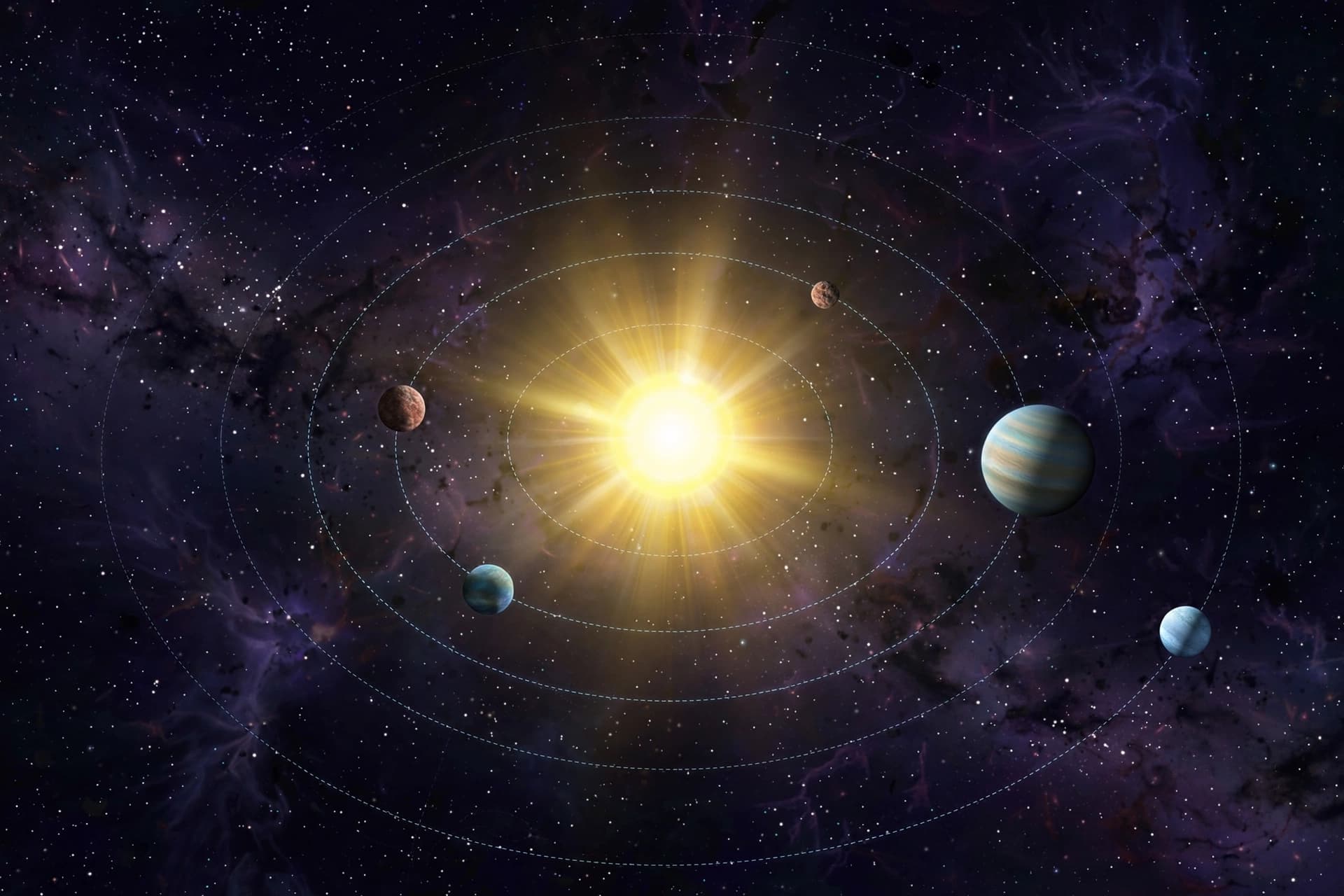
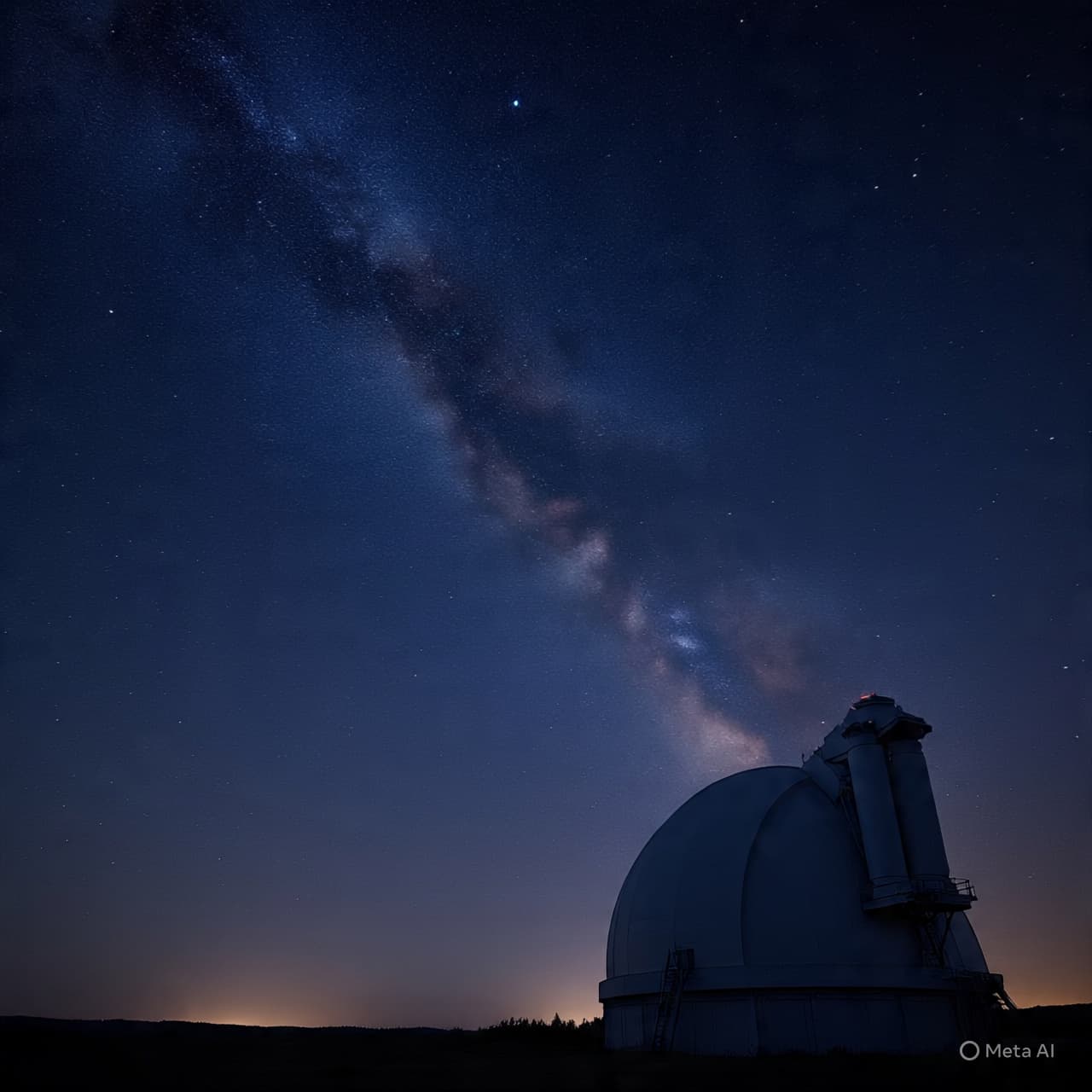
Illustrations were created using AI tools and serve as conceptual representations.
Sources (Media Names Only)
The Verge Stanford Report Sky at Night Magazine Scientific American Live Science
Published by Banx Network. This article is part of the Banx decentralized media programme, powered by the BXE token on the XRP Ledger.