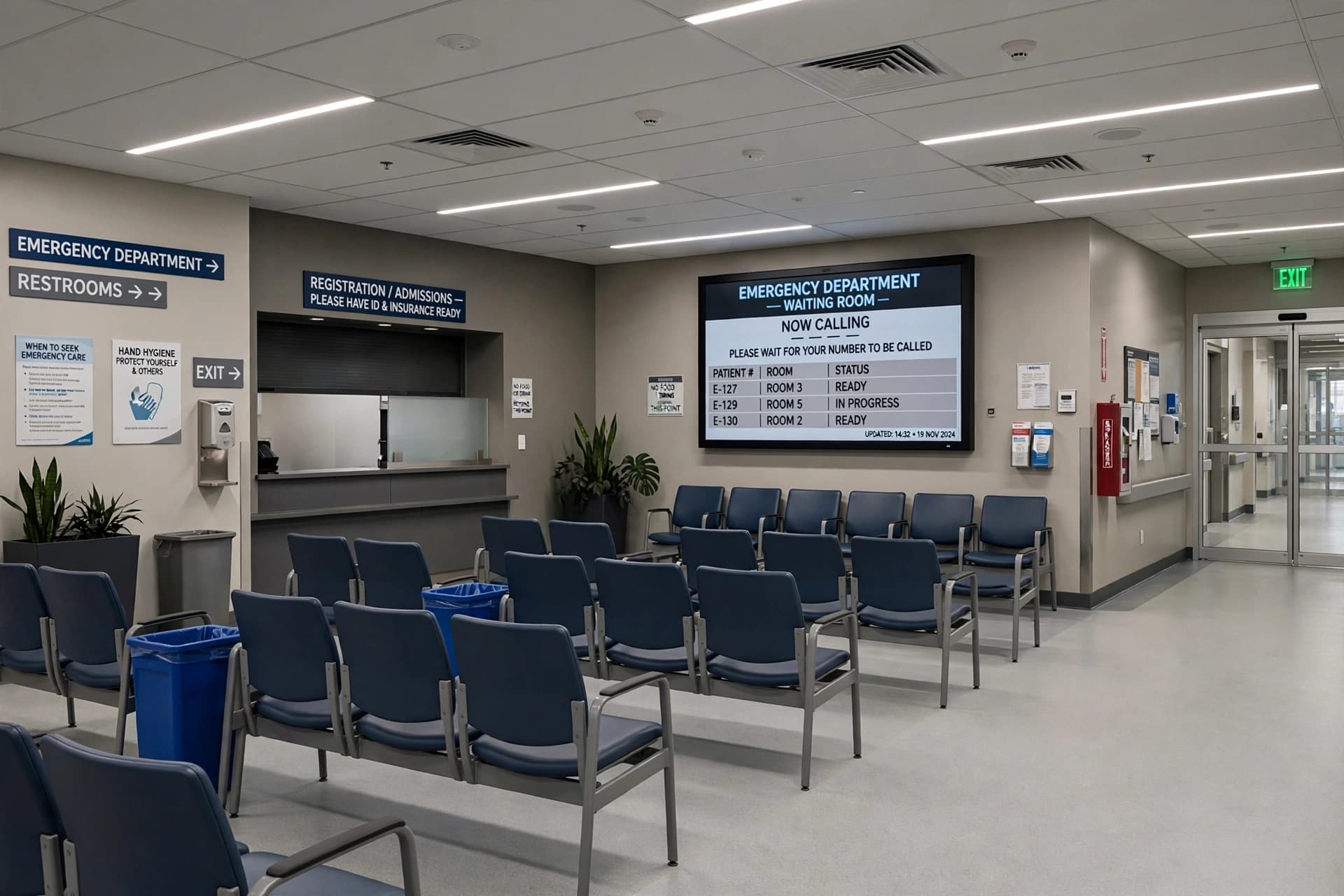
Sometimes in medicine, progress feels like widening a narrow path through a dense forest — each step forward invites more light, more room to walk, and more people to follow. For acute ischemic stroke care, that widening path has long been the urgent wish of clinicians and patients alike, because in stroke, every minute is measured in moments of life regained or lost. A new 2026 guideline — shaped by years of research and clinical observation — now broadens that path, bringing advanced care to more people, including those once left at the forest’s edges.
When a stroke strikes, the clock begins to tick in the brain’s delicate tissue. Blocked blood flow quickly turns into lost potential, and clinicians have learned that rapid recognition and early action are vital to preserving function and hope. The latest update to the Acute Ischemic Stroke guideline from the American Heart Association and American Stroke Association reflects a growing body of evidence that supports not only tried-and-true treatments but also an expansion of who can be helped and how.
Central to the updated guideline is a reaffirmed commitment to quick, accurate diagnosis and delivery of effective therapies. The document underscores that intravenous clot-busting medications such as alteplase or tenecteplase remain essential treatments when given within the recommended time window. But it also acknowledges a broader, more flexible approach in select patients, guided by advanced imaging techniques that reveal viable brain tissue even beyond traditional time limits. This shift from rigid timing to physiology-based decision-making reflects the nuanced nature of stroke medicine and invites more patients into the circle of potential benefit.
Beyond individual treatments, the guideline speaks gently but insistently about systems of care — linking the first 9-1-1 call to the doors of hospitals equipped for advanced therapies. In regions where specialized stroke centers are accessible, emergency medical services are encouraged to transport patients directly to facilities capable of endovascular thrombectomy — a mechanical method of removing a clot that has revolutionized outcomes for many. Where such centers are distant, efforts focus on reducing delays between hospitals and ensuring that every patient reaches the right care as swiftly as possible.
Perhaps most notable in the 2026 guideline is the inclusion of recommendations for pediatric stroke — a rare but heartbreaking condition that has lacked clear guidance until now. Recognizing that children, like adults, can suffer disabling strokes, the guideline gently advocates for timely imaging and tailored care pathways informed by the best available evidence.
This broader vision of stroke care, inspired by decades of research, embraces both high-tech tools and coordinated teamwork. Mobile stroke units, capable of conducting CT scans before a patient reaches a hospital, are highlighted as one example of innovation that can shave precious minutes from the journey from symptom onset to treatment.
In quiet but firm terms, the 2026 guideline invites clinicians, hospital systems, EMS networks, and policymakers to weave a more connected fabric of care — one that recognizes the urgency of stroke but also the dignity of each person in the path of that urgency.
In straightforward news: the American Heart Association and its partners have published the updated 2026 Guideline for the Early Management of Patients With Acute Ischemic Stroke. This guidance expands eligibility for advanced therapies, introduces new care pathways for children, and emphasizes systems-based approaches that link prehospital and hospital stroke care. The updates reflect the latest evidence and aim to improve outcomes by increasing access to rapid diagnosis and treatment.
AI Image Disclaimer “Images in this article are AI-generated illustrations, meant for concept only.”
📚 Sources American Heart Association newsroom coverage of the 2026 guideline News-Medical reporting summarizing guideline updates PubMed guideline summary listing Professional Heart Daily summary from AHA Medical/scientific overview of advances in stroke treatment
Published by Banx Network. This article is part of the Banx decentralized media programme, powered by the BXE token on the XRP Ledger.