
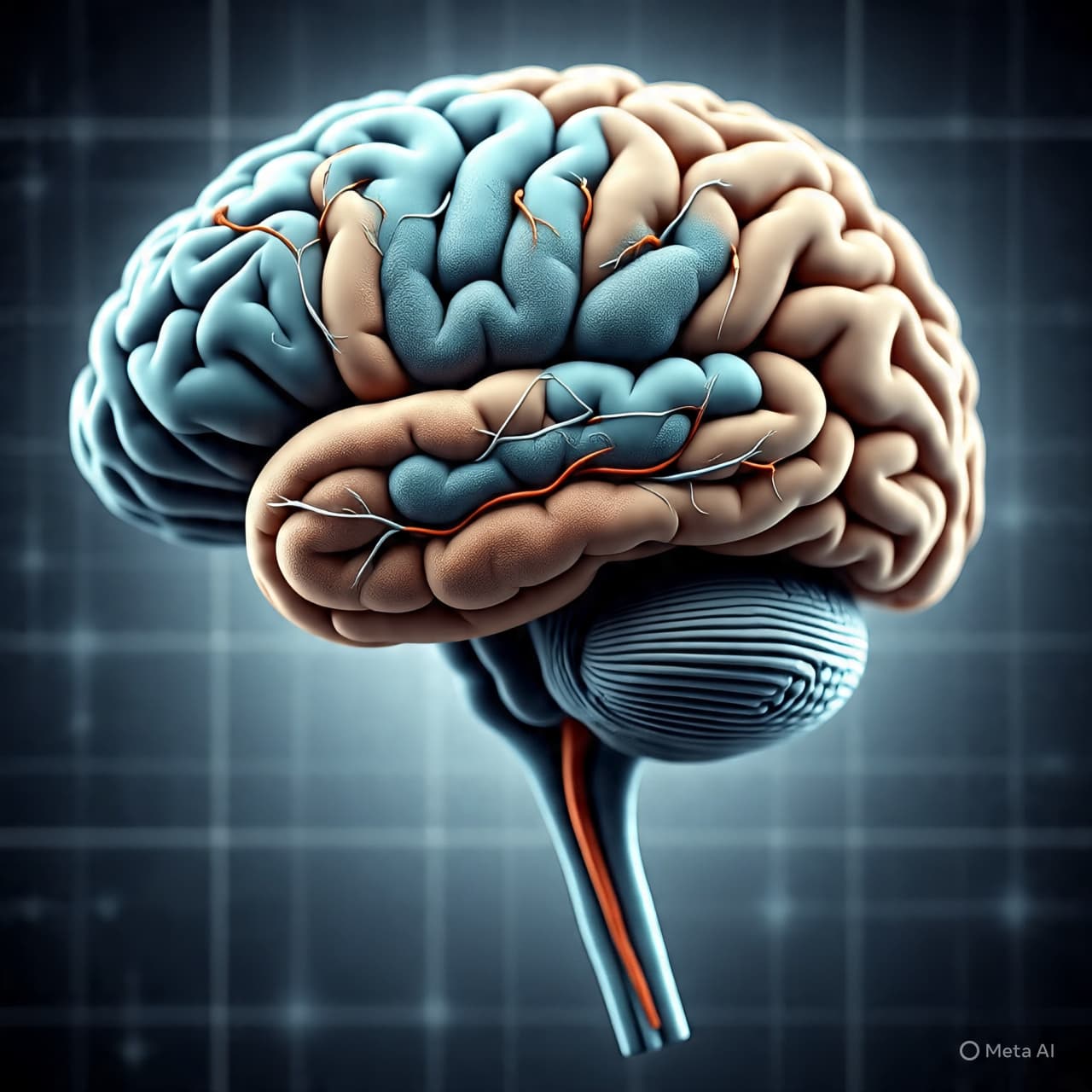
Key Highlights
- Major Breakthrough:RNA barcoding allows for unprecedented mapping of brain neural connections.
- Enhanced Understanding:This technique reveals long-range connectivity patterns previously undetectable.
- Implications for Treatment:New insights could transform approaches to neurological disorders.
Recent advancements in neuroscience have unveiled a groundbreaking technique that significantly enhances our understanding of the brain's complex network. By employing RNA barcoding, researchers can now label individual neurons, allowing them to trace connections across the brain with remarkable precision. This innovation marks a pivotal shift in how scientists perceive and study the intricate wiring of the brain, moving from a limited view to a comprehensive mapping of neural pathways.
Traditionally, the study of neuronal connections has been constrained by the limitations of imaging technologies. Researchers could visualize the structure of neurons but struggled to follow the intricate pathways that link different brain regions. The introduction of RNA barcoding changes this dynamic, providing a method to tag neurons with unique identifiers. This allows for the tracing of inputs and outputs across vast distances within the brain, revealing a previously hidden architecture that resembles a well-organized network rather than a chaotic jumble.
The implications of this discovery are profound. By accurately mapping these neural connections, scientists can identify disruptions that occur in various neurological conditions. This understanding shifts the focus from merely counting lost neurons to examining the integrity of the connections between them. Such insights could lead to new treatment strategies that address the underlying connectivity issues in disorders such as Alzheimer's, autism, and schizophrenia.
As researchers delve deeper into the potential of RNA barcoding, they are beginning to appreciate the technology's capacity to match the complexity of human biology. This advancement does not eliminate the mysteries of the brain; instead, it equips scientists with the tools necessary to explore these mysteries with greater clarity. Each mapping effort contributes to a broader understanding of human cognition, memory, and perception, ultimately enriching our grasp of what it means to be human.
Looking ahead, the integration of these molecular maps into clinical neuroscience heralds a new era in diagnosis and treatment. The ability to visualize and quantify neural connectivity opens up possibilities for targeted interventions that could restore or enhance brain function. This journey into the brain's interior is just beginning, fueled by a growing confidence in our foundational knowledge of neural circuitry.
The study confirms that RNA-based barcoding allows for high-throughput, single-cell resolution mapping of neural projections across the entire brain. By employing these molecular tags, researchers have successfully identified long-range connectivity patterns that were previously undetectable due to the limitations of traditional imaging. This methodology provides a comprehensive atlas of neural circuitry, allowing for the precise quantification of connection strengths and regional interplay. The resulting connectivity maps are being used to analyze how various neurological conditions alter these fundamental circuits. This breakthrough provides a transformative tool for neuroscientists, enabling a systemic analysis of brain health that was previously hindered by technical barriers.
As the field continues to evolve, the potential applications of RNA barcoding in neuroscience are vast. From enhancing our understanding of brain development to informing therapeutic strategies for neurological disorders, this innovative approach is set to reshape the landscape of brain research.
Published by Banx Network. This article is part of the Banx decentralized media programme, powered by the BXE token on the XRP Ledger.



