Morning in the financial districts often begins quietly, before the screens glow fully awake—before numbers begin their restless flicker across continents. Yet on this particular day, the calm seemed thinner, as if something had shifted far beyond the trading floors. It was not a storm, not quite relief either, but a subtle loosening of tension carried on the first light of headlines.
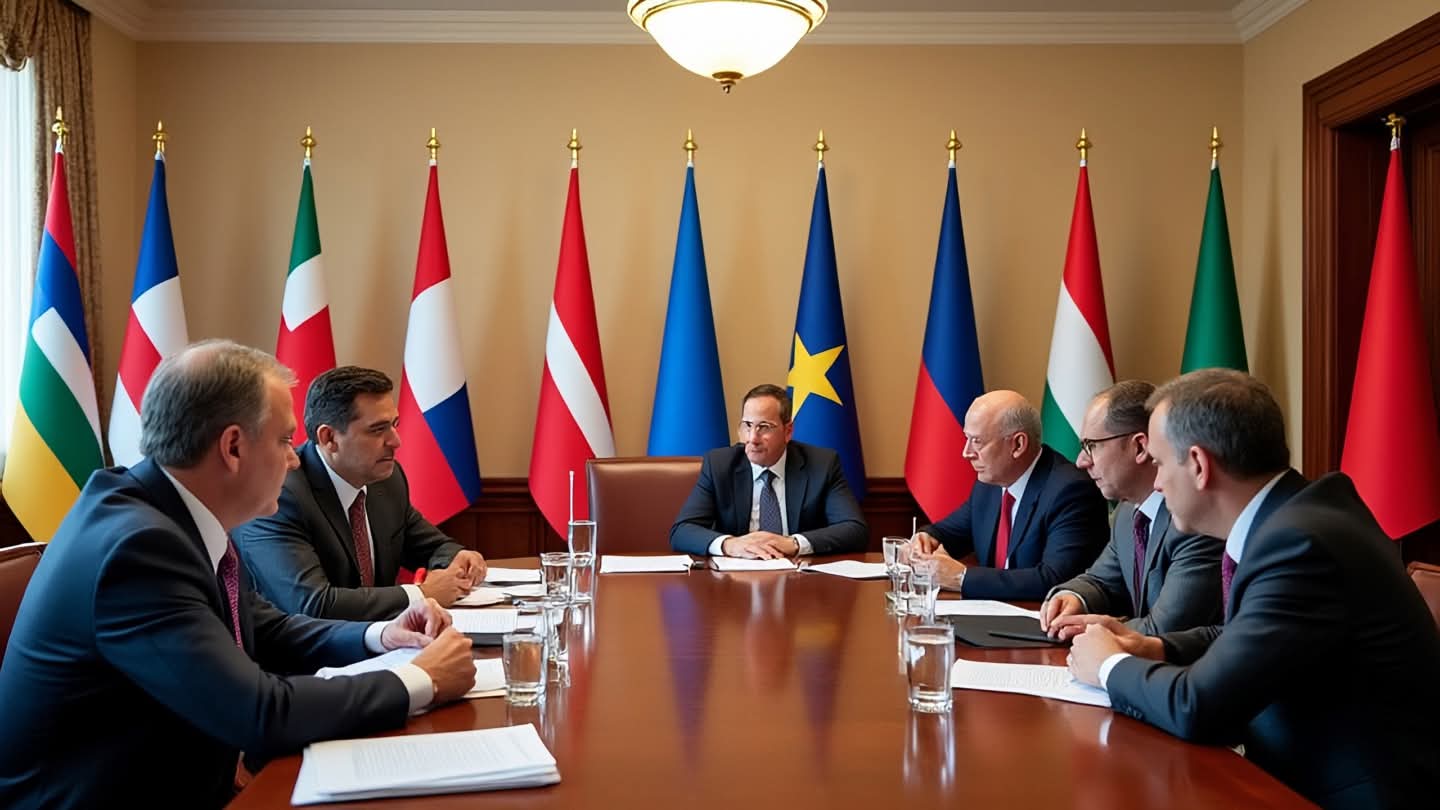
In the distance of diplomacy, words had been exchanged—measured, deliberate, and, by some accounts, unexpectedly constructive. Donald Trump spoke of “productive” talks between the United States and Iran, a phrase that, in the language of geopolitics, can feel like the opening of a window in a long-sealed room. Markets, ever sensitive to the smallest drafts of possibility, responded not with hesitation but with a sudden upward breath.
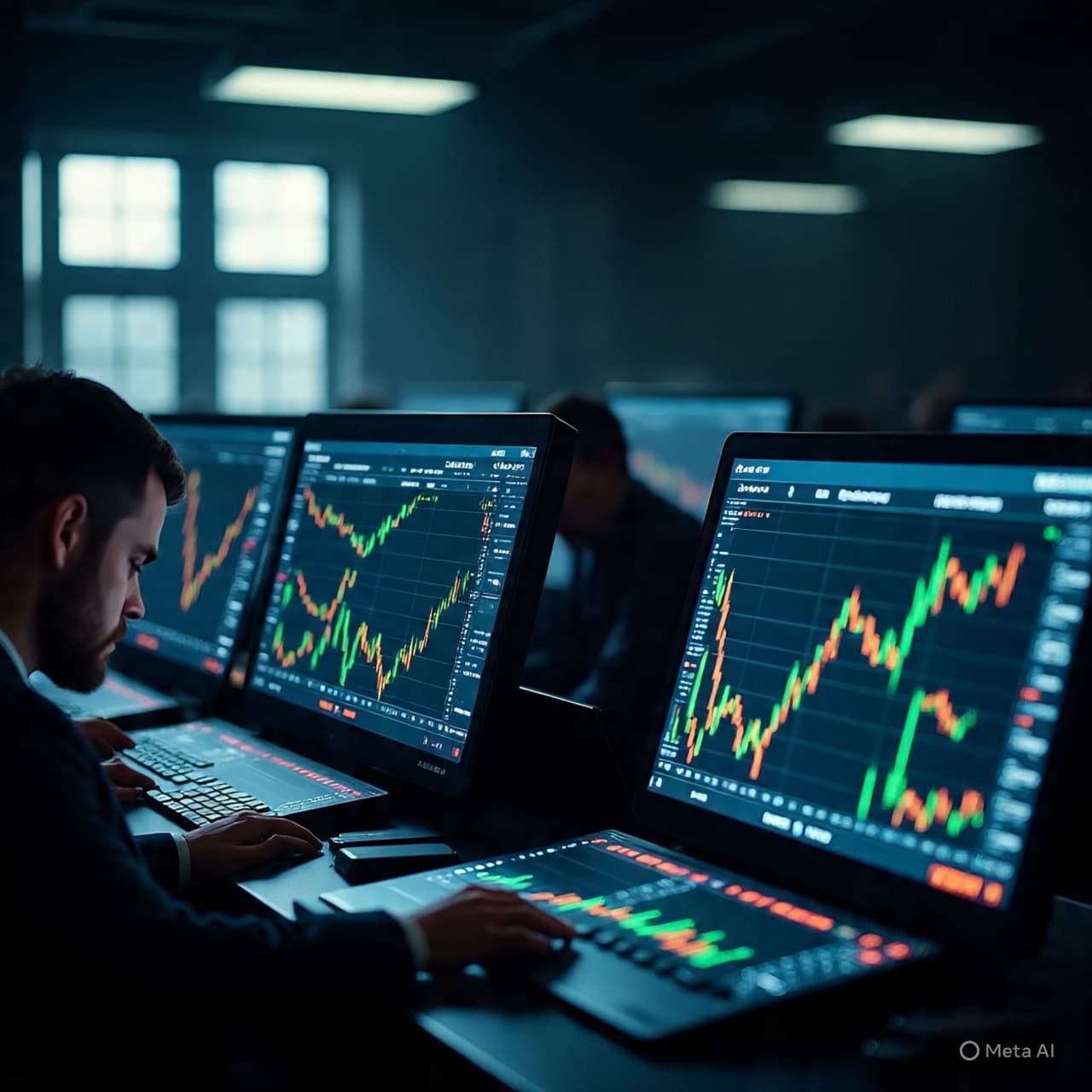
Dow futures surged—nearly 900 points—before the opening bell had even finished echoing across the Atlantic. Traders, analysts, and algorithms alike seemed to register the same quiet inference: that dialogue, however tentative, might slow the rhythm of escalation that has long defined relations between the two nations. It was not certainty that moved the markets, but the suggestion of it.
For years, the relationship between Washington and Tehran has existed in a state of suspended friction, marked by sanctions, indirect confrontations, and moments where the horizon felt perilously close to ignition. In such a landscape, even the smallest gesture toward communication carries disproportionate weight. A word like “productive” becomes less a descriptor and more a signal—a fragile bridge extended over a familiar divide.
Yet the markets’ optimism, while immediate, remains delicate. Beneath the surge lies an awareness of how often such moments have come and gone, dissolving back into mistrust. Diplomacy, like the tide, advances and retreats. What appears today as forward movement can, under shifting pressures, recede without warning.
Still, there is something notable in the way financial systems translate political language into momentum. Numbers rise not only on tangible agreements but on the anticipation of them—the belief that dialogue may temper volatility, that negotiations might replace confrontation, even if only for a while. It is a form of collective listening, where capital leans toward the possibility of calm.
As the day unfolds, the early surge in futures may settle into more measured patterns. Investors will look for clarity, for confirmation, for details that extend beyond a single phrase. Meanwhile, diplomats will continue their quieter work, far from the screens and tickers, where progress is rarely linear and often unseen.
For now, the markets hold a fleeting reflection of hope—an echo of conversations carried across borders, where the language of conflict has, however briefly, made room for something softer.
AI Image Disclaimer Illustrations were created using AI tools and are not real photographs.
Sources Bloomberg Reuters CNBC Financial Times The Wall Street Journal
Published by Banx Network. This article is part of the Banx decentralized media programme, powered by the BXE token on the XRP Ledger.