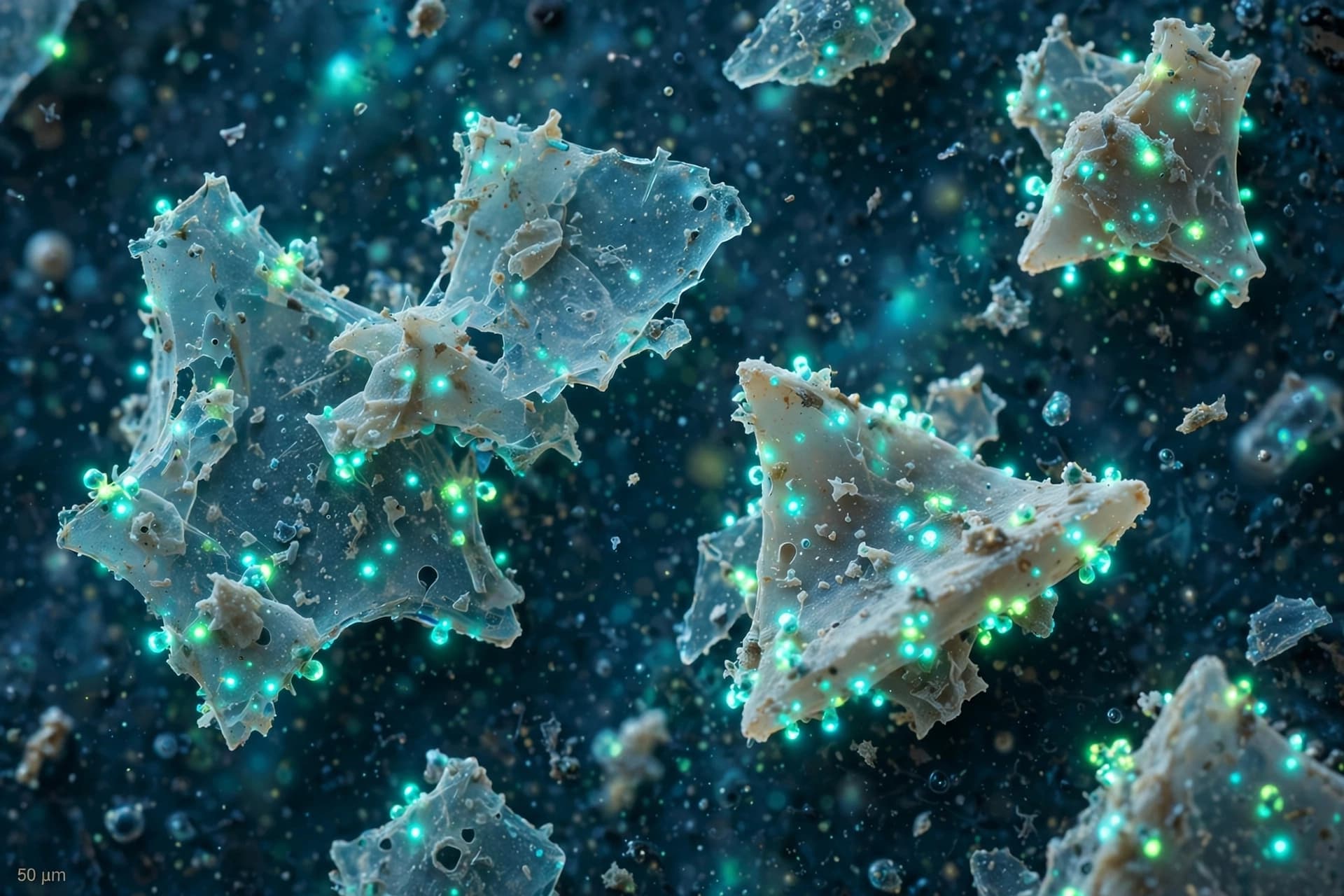
Along the quiet edges of coastlines, seashells gather in patient abundance—remnants of life shaped by time and tide. Long regarded as simple fragments of the ocean’s story, these delicate structures are now being revisited with renewed curiosity, offering the possibility that even nature’s smallest remnants may hold solutions to some of the world’s pressing challenges.
Researchers have begun exploring how seashells, composed largely of calcium carbonate, can be repurposed to extract metals from water and assist in purification processes. This approach builds on the natural properties of the material, which can interact with various chemical elements in ways that support filtration and separation.
In laboratory settings, processed seashells have shown potential in capturing heavy metals such as lead and cadmium from contaminated water. These metals, often byproducts of industrial activity, pose significant environmental and health risks when left untreated.
The method typically involves grinding seashells into fine particles, increasing their surface area and enhancing their ability to bind with unwanted substances. Through adsorption, these particles can attract and hold contaminants, allowing cleaner water to pass through.
Beyond purification, researchers are also examining how seashell-derived materials might assist in recovering valuable metals from wastewater. This dual function—removal and recovery—could make the process both environmentally beneficial and economically viable.
The use of natural waste materials like seashells aligns with broader efforts to develop sustainable technologies. By repurposing what would otherwise be discarded, scientists aim to reduce environmental impact while creating practical solutions.
While still under development, such techniques are gaining attention within environmental science communities. Their simplicity and accessibility suggest potential for application in regions where advanced filtration systems may be less available.
As studies continue, the challenge lies in scaling these methods from controlled environments to real-world use, ensuring efficiency, safety, and consistency.
What begins as a quiet observation of nature may yet evolve into a meaningful tool, where even the remnants of the sea contribute to cleaner water and more sustainable resource use.
AI Image Disclaimer: The images used for this article are AI-generated illustrations intended to represent general scientific concepts.
Sources: Nature, ScienceDirect, Environmental Science & Technology
Published by Banx Network. This article is part of the Banx decentralized media programme, powered by the BXE token on the XRP Ledger.