
Key Highlights
- Significant Change:Children born in Bangladesh's brothels are receiving birth certificates.
- Legal Rights:Under Bangladeshi law, every child has the right to birth registration.
- Social Impact:Legal identity opens doors to education and healthcare for marginalized children.
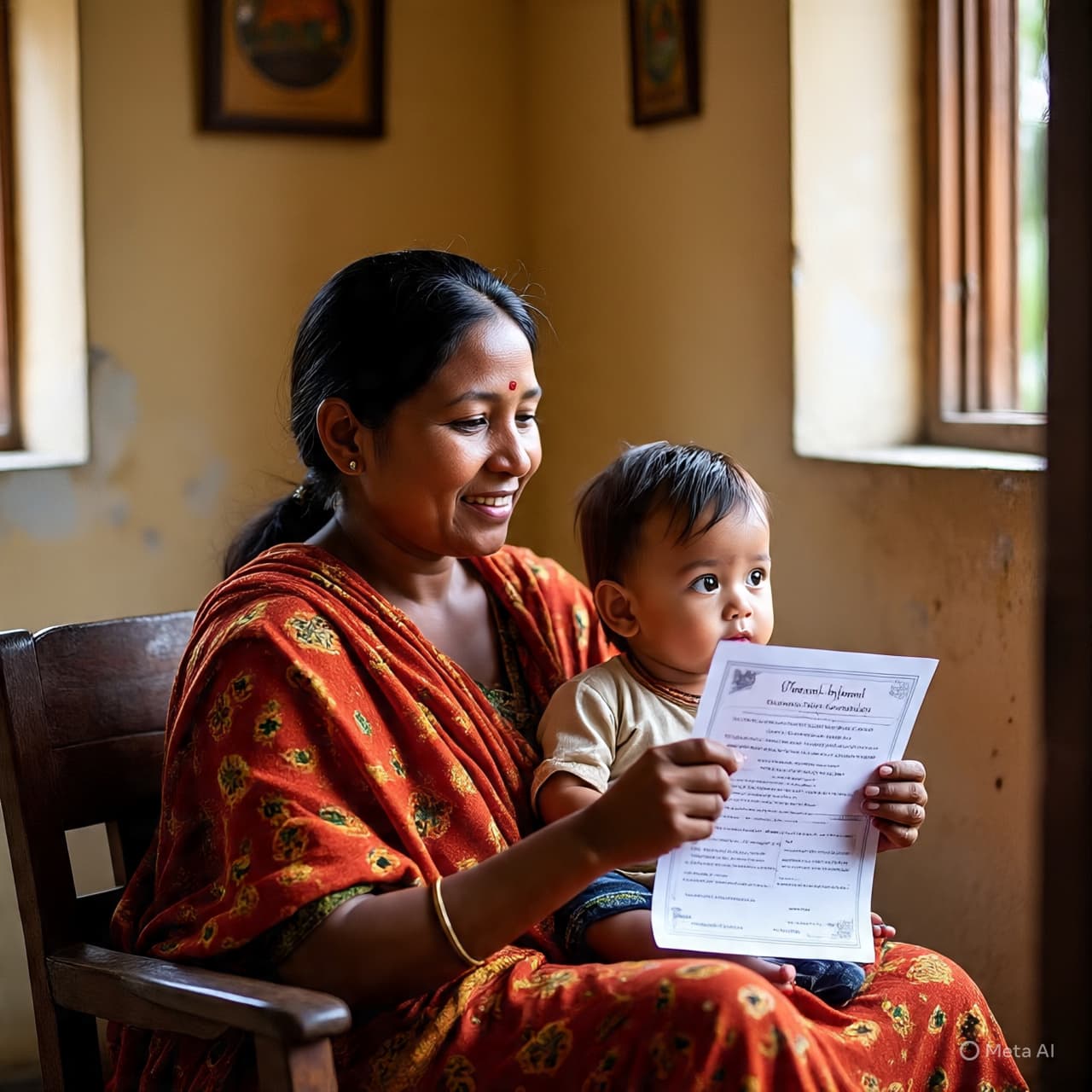
In Bangladesh, a transformative shift is occurring for children born in the shadows of society—those who have long been labeled as 'invisible.' These children, often born in brothels, are now beginning to receive birth certificates, a crucial step that provides them with legal identity and access to essential services such as education and healthcare. This change is not just bureaucratic; it represents a significant societal acknowledgment of their existence and rights.
Historically, children of sex workers in Bangladesh have faced immense challenges. In areas like Daulatdia, one of the country’s largest red-light districts, these children have been systematically denied the most basic forms of recognition. Without a registered birth, they were unable to enroll in schools, obtain national identification cards, or access public services. This lack of documentation effectively barred them from participating in formal society, perpetuating cycles of poverty and marginalization.
Under Bangladeshi law, every child is entitled to birth registration. However, the reality for mothers working in brothels is fraught with obstacles. Many struggle to provide the necessary information, such as details about the father or a permanent address, which local authorities often require. Additionally, societal stigma surrounding their circumstances further complicates the registration process, leading to stalled or rejected applications.
In response to these challenges, local officials and advocacy groups, including the Bangladesh Legal Aid and Services Trust, have initiated efforts to simplify the registration process. Notably, they have made it clear that a father's name is not mandatory for registration. This change is pivotal, as it affirms a child's right to identity regardless of their parental circumstances, thereby addressing a long-standing administrative exclusion.
For families living in brothels, obtaining a birth certificate is more than just a piece of paper; it symbolizes protection against exploitation and early marriage. It serves as a gateway to formal education and a means to break the intergenerational cycles of marginalization that have plagued these communities. Educators and social workers have observed that children with documented identities are significantly more likely to remain in school and pursue opportunities beyond the confines of the red-light district.
Despite these advancements, significant challenges remain. Poverty, discrimination, and limited economic opportunities continue to shape the daily lives of these families. However, the act of formal recognition marks a broader societal shift—an acknowledgment that children should not inherit the stigma associated with their parents' livelihoods. As more birth certificates are issued to mothers who once feared their children would remain invisible to the state, the message is clear: while legal identity does not erase hardship, it lays the groundwork for a sense of belonging and hope for a brighter future. For Bangladesh’s once 'invisible' children, this foundation may prove to be transformative, paving the way for a more inclusive society.
Published by Banx Network. This article is part of the Banx decentralized media programme, powered by the BXE token on the XRP Ledger.



