
Key Highlights
- Ayatollah Alireza Arafi joins Iran's wartime leadership discussions.
- Iran faces escalating tensions with Israel and the U.S.
- The question of political succession looms as Ayatollah Khamenei ages.
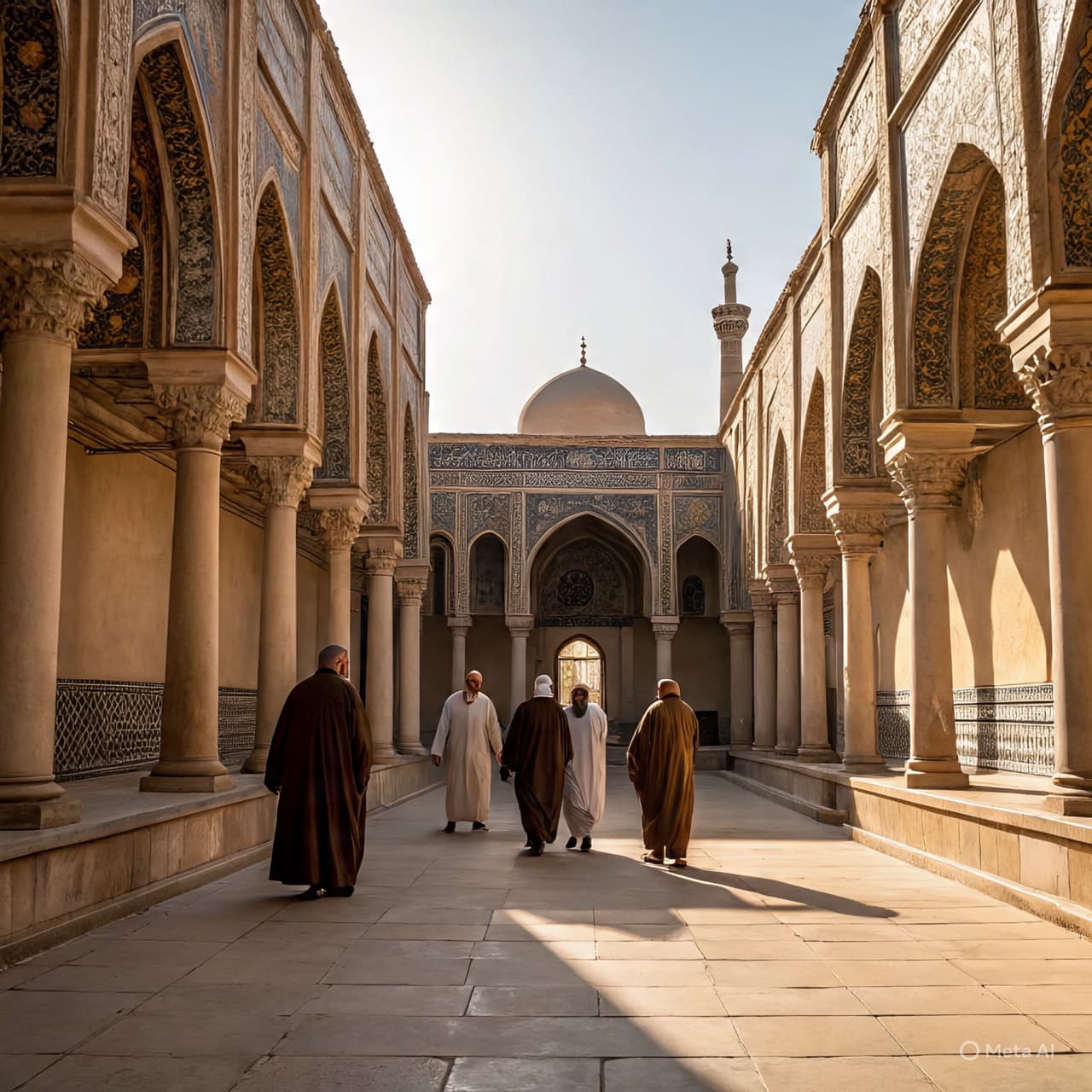
In the city of Qom, the rhythm of clerical life often unfolds slowly. Narrow streets wind past seminaries and courtyards where scholars gather beneath quiet arches, discussing theology and history with the patience of centuries. It is a place where authority grows gradually—shaped by study, lineage, and the careful weaving of influence within the religious institutions that anchor Iran’s political system.
But in moments of crisis, the pace of change can shift dramatically. As tensions intensify across the Middle East and Iran navigates a widening confrontation with Israel and the United States, the country’s leadership structure has begun to subtly rearrange itself. Into this evolving circle has stepped a figure long known in religious and political circles: hardline cleric Ayatollah Alireza Arafi.
Arafi, a senior religious scholar and head of Iran’s influential network of seminaries, has been brought into Iran’s wartime leadership discussions, reflecting the Islamic Republic’s effort to consolidate authority during a period of military pressure and political uncertainty. His arrival comes at a moment when the country is balancing two simultaneous challenges: the management of an expanding regional conflict and the quiet question of political succession within the Islamic Republic’s highest ranks.
Iran’s leadership system, shaped after the 1979 revolution, blends religious authority with state governance. At its apex stands the Supreme Leader, Ayatollah Ali Khamenei, whose influence extends across military, political, and judicial institutions. Yet beneath that singular role lies a layered network of councils, clerical bodies, and security officials who guide the country through moments of upheaval. In times of conflict, that network often expands.
Reports from Tehran suggest that Arafi has been incorporated into consultations among senior political and security figures as Iran coordinates its military posture and diplomatic messaging amid the ongoing escalation with Israel. The conflict has seen missile exchanges, regional militia mobilizations, and growing international concern over the possibility of a broader war. Within such circumstances, the inclusion of trusted clerical figures serves both symbolic and practical purposes. It reinforces the religious legitimacy that remains central to the Islamic Republic’s identity while also strengthening internal cohesion at a time when national unity is a strategic priority.
Arafi is no stranger to the intersection of faith and governance. As the head of Iran’s seminaries and a member of influential religious councils, he has long occupied a position close to the clerical establishment that shapes the country’s ideological direction. His work overseeing religious education has connected him with a wide network of scholars and institutions both within Iran and across the broader Shia world.
Yet his current prominence arrives within a larger conversation quietly unfolding inside the Iranian system. Ayatollah Khamenei, now in his mid-eighties, has led the Islamic Republic for more than three decades. While the government rarely addresses the subject openly, analysts and observers have increasingly examined the question of who might eventually succeed him and how the transition could unfold. In Iran’s constitutional structure, the selection of a new Supreme Leader ultimately rests with the Assembly of Experts, a body of clerics tasked with choosing and overseeing the country’s highest authority. Figures who rise within religious institutions and gain visibility in national decision-making often become part of the broader constellation of possible future leadership.
Arafi’s involvement in wartime consultations does not necessarily place him among the leading contenders. Yet his presence reflects a broader dynamic: in times of crisis, the Islamic Republic often elevates figures whose ideological reliability and clerical standing reinforce the stability of the system. Meanwhile, the conflict itself continues to shape Iran’s domestic atmosphere. Missile launches, military alerts, and heightened security have created a climate in which the state seeks to present a unified front—both to its citizens and to its regional rivals.
Across Tehran, daily life continues beneath that tension. Markets open in the morning, traffic gathers along familiar avenues, and the city’s cafes fill with conversations that move between ordinary concerns and distant news of military developments. Within this complex landscape, the role of clerical figures like Arafi becomes increasingly significant as Iran navigates its precarious position on the global stage.
Published by Banx Network. This article is part of the Banx decentralized media programme, powered by the BXE token on the XRP Ledger.



