
Key Highlights
- U.S. Returns Seized Oil Tanker: The U.S. is handing over a seized oil tanker to Venezuela, marking a significant shift in enforcement policy.
- Impact on Sanctions:This decision reflects a complex interplay of legal and diplomatic considerations in the context of U.S. sanctions.
- Broader Implications:The handover raises questions about the future of maritime control and enforcement strategies.
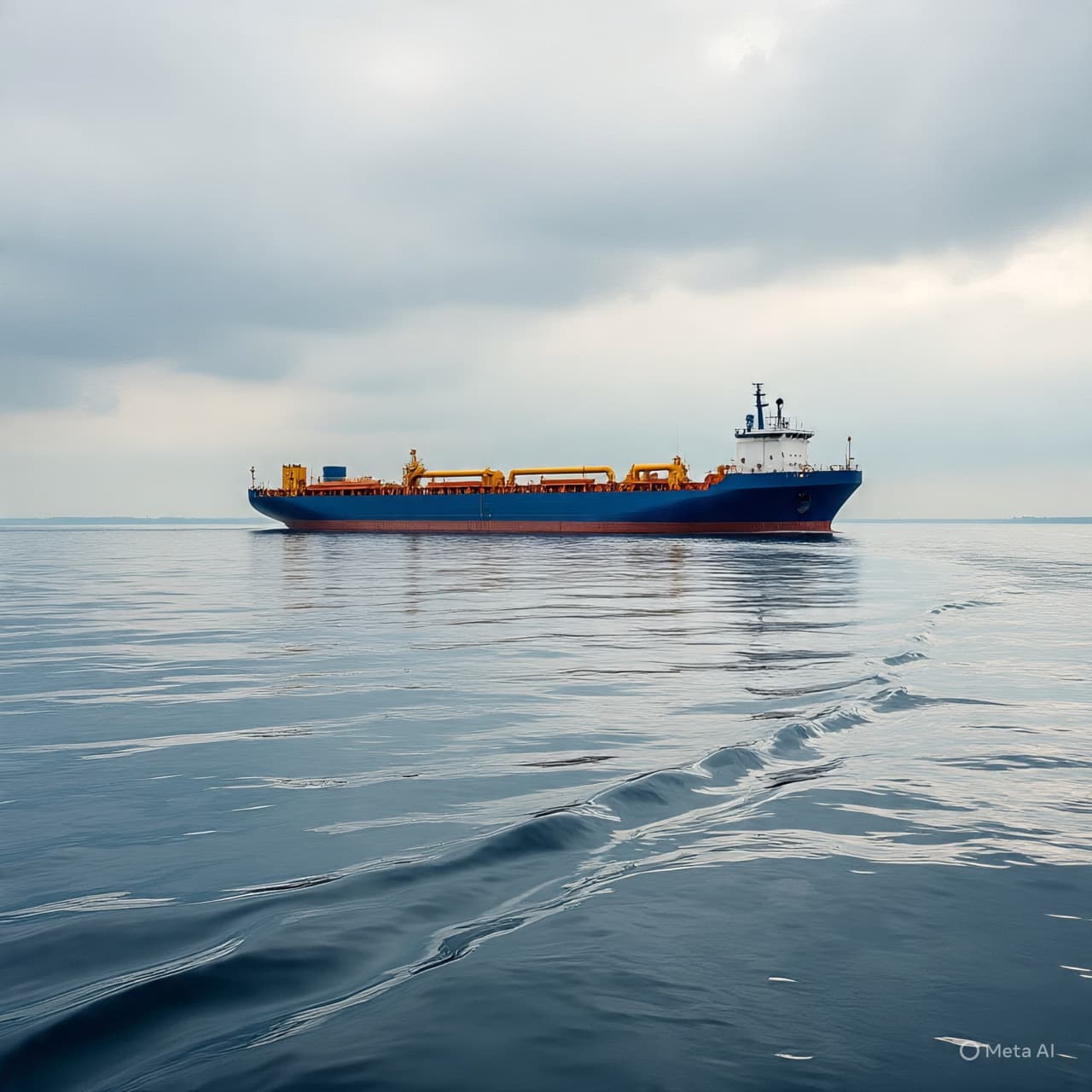
The recent decision by the United States to return a seized oil tanker to Venezuela has sparked discussions about the implications of such actions on international relations and sanctions enforcement. According to two U.S. officials familiar with the situation, this handover follows a period of intensified scrutiny and enforcement against vessels linked to Venezuelan crude exports. This move is part of a broader strategy aimed at monitoring and restricting the flow of sanctioned oil, which has significant ramifications for both countries involved.
The tanker in question had been under U.S. control after being intercepted during operations designed to disrupt what American authorities describe as informal or opaque shipping networks. These operations are often framed as technical enforcement measures, yet they carry substantial political weight, particularly when the destination is a nation that has long been subjected to U.S. sanctions. The decision to return the vessel raises questions about the motivations behind such enforcement actions and the potential for diplomatic negotiations.
Despite the significance of the handover, no detailed explanation has been provided publicly regarding the rationale behind the decision. This lack of clarity leaves room for interpretation, suggesting that the move could be influenced by legal considerations, diplomatic calculations, or a reassessment of priorities within the already complex landscape of U.S. sanctions. The ambiguity surrounding the handover reflects the intricate nature of international relations, where actions are often laden with multiple meanings.
For Venezuela, the return of the tanker signifies more than just the recovery of a vessel; it represents a momentary easing in an otherwise rigid environment. Access to oil revenues remains tightly constrained and closely monitored, making the return of the tanker a notable event in the context of Venezuela's ongoing economic struggles. The decision by Washington to return the vessel suggests a degree of flexibility within its enforcement strategy, indicating that pressure and posture are not always fixed and can be adjusted based on evolving circumstances.
This episode underscores the practical limits of maritime control. While tankers can be seized, redirected, or released, each action must navigate the complexities of international law, commercial realities, and the broader currents of foreign policy. The dynamics of maritime enforcement are not merely about the physical control of vessels but also involve strategic considerations that can shift based on political contexts.
As the vessel changes hands, it raises a quieter yet significant question: not whether enforcement will continue, but how selectively it will be applied in the future. The space between interception and release reveals that policy is not a static doctrine but rather a series of calculated adjustments that reflect the realities of international diplomacy and trade. This situation serves as a reminder of the intricate balance that must be maintained in the realm of maritime law and sanctions enforcement, where each decision can have far-reaching consequences.
Published by Banx Network. This article is part of the Banx decentralized media programme, powered by the BXE token on the XRP Ledger.



