
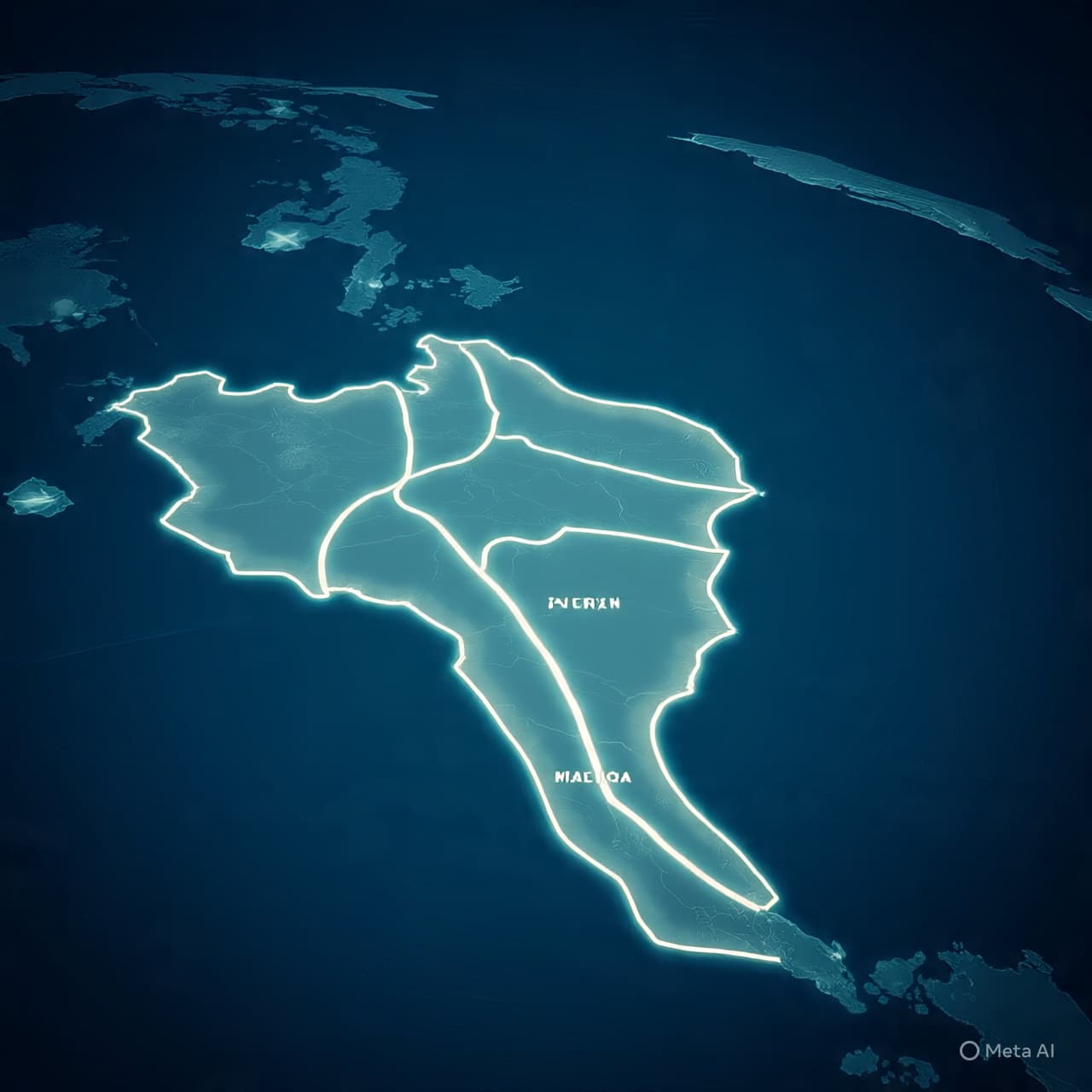
Key Highlights
- Proposed Project:A new fiber-optic cable aims to connect Chile with Asia.
- Geopolitical Implications:The cable raises concerns over national security and digital sovereignty.
- Economic Potential:Chile seeks to enhance its role as a tech hub in Latin America.
[The Fiber-Optic Project]
Chile is on the brink of a significant technological leap with a proposed fiber-optic cable that would link its coast directly to Asia. This ambitious project, often referred to as a part of the 'Digital Silk Road,' promises to enhance digital connectivity across the Pacific, positioning Chile as a pivotal gateway for data exchange between continents. The cable's construction is spearheaded by a partnership between Chinese technology firms and Chilean infrastructure developers, aiming to create one of the first high-capacity data routes directly connecting South America to East Asia.
[Strategic Importance]
The strategic importance of this cable cannot be overstated. As Chile has long sought to establish itself as a technological hub in Latin America, the cable could significantly lower connectivity costs, attract foreign investment, and strengthen ties with Asian markets. These markets are already crucial to Chile's economy, particularly in sectors like copper and lithium, where China is a major player. The potential economic benefits are substantial, but they come with a complex web of geopolitical implications.
[Geopolitical Tensions]
The involvement of Chinese companies in such critical infrastructure projects has raised eyebrows in Washington and among its allies. The U.S. and other Western nations increasingly view telecommunications networks as integral to national security. This scrutiny reflects broader concerns about technological dependency and the influence of foreign powers in sensitive sectors. As a result, the cable has evolved from a mere engineering project into a focal point of international relations, raising questions about sovereignty and influence in the digital age.
[Balancing Act for Chile]
For Chile's new leadership, the decision to proceed with the cable is fraught with diplomatic complexity. The nation has cultivated strong economic ties with China, its largest trading partner, while simultaneously maintaining close political and security relationships with the United States. This balancing act has been a hallmark of Chilean foreign policy, but as digital infrastructure becomes increasingly intertwined with geopolitical dynamics, the stakes have never been higher. The new government must navigate these relationships carefully, weighing the economic benefits against potential security risks.
[The Evolution of Connectivity]
The proposed cable also signifies a shift in how connectivity is perceived. In the past, undersea cables were primarily seen as technical projects for facilitating phone calls and internet traffic. Today, they are recognized as critical infrastructure that supports financial systems, cloud computing, and government communications. Chile's geographical position makes it an ideal candidate for such connections, reinforcing its vision of being a bridge between continents.
[Future Considerations]
As discussions around the cable progress, policymakers in Chile are beginning to grapple with the implications of this infrastructure. The debate centers on how to govern such projects, balancing the need for openness to investment with the imperative of digital sovereignty. Some experts argue that maintaining an open environment for investment is crucial for development, while others caution that control over data networks must be prioritized to protect national interests. The outcome of this debate may well define how Chile navigates its role in an increasingly complex global landscape.
In conclusion, the proposed fiber-optic cable represents more than just a technological advancement for Chile; it embodies the intricate interplay of economics, politics, and national security in the modern world. As the country moves forward, the decisions made regarding this project will likely serve as a litmus test for its future diplomatic and economic strategies.
Published by Banx Network. This article is part of the Banx decentralized media programme, powered by the BXE token on the XRP Ledger.



