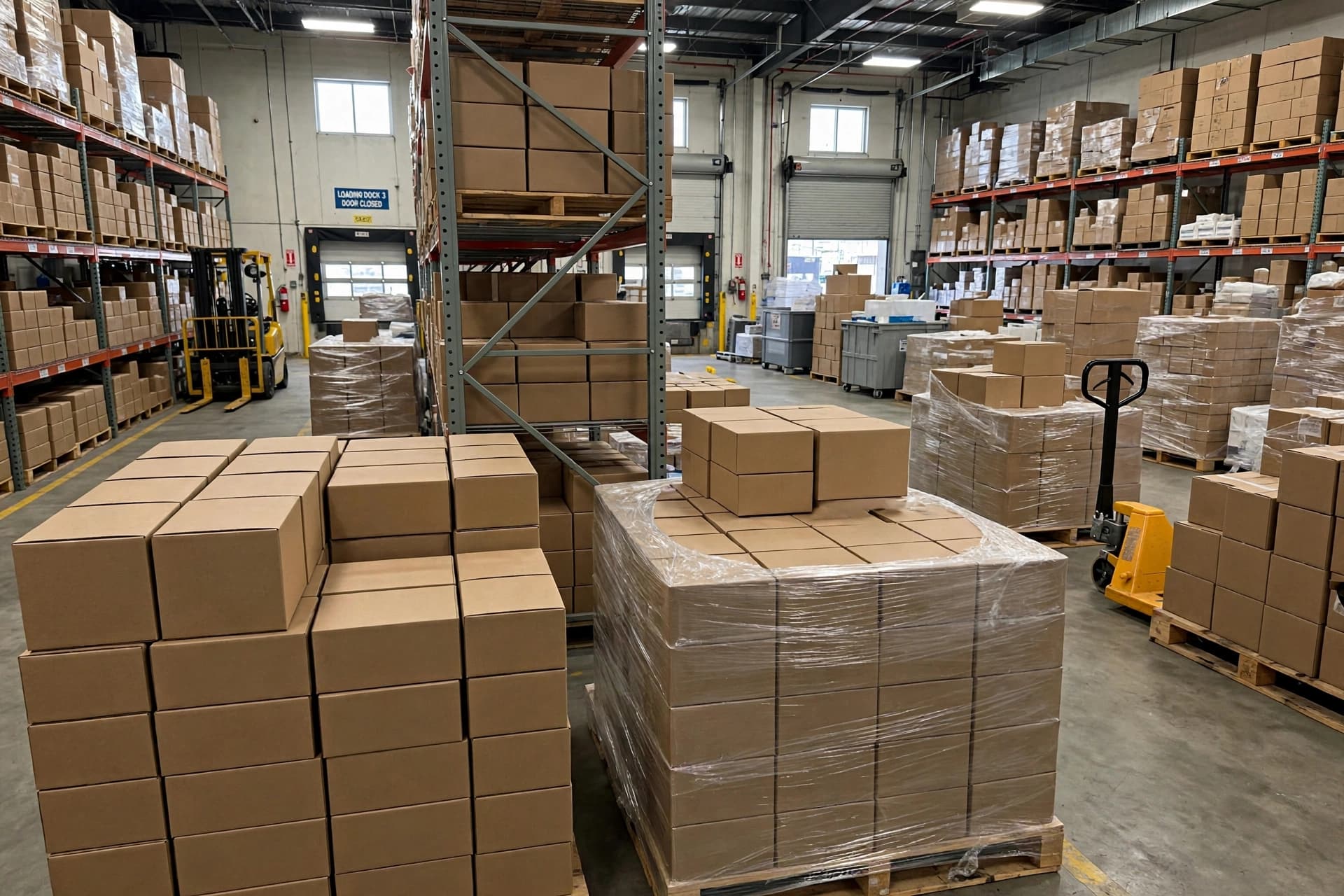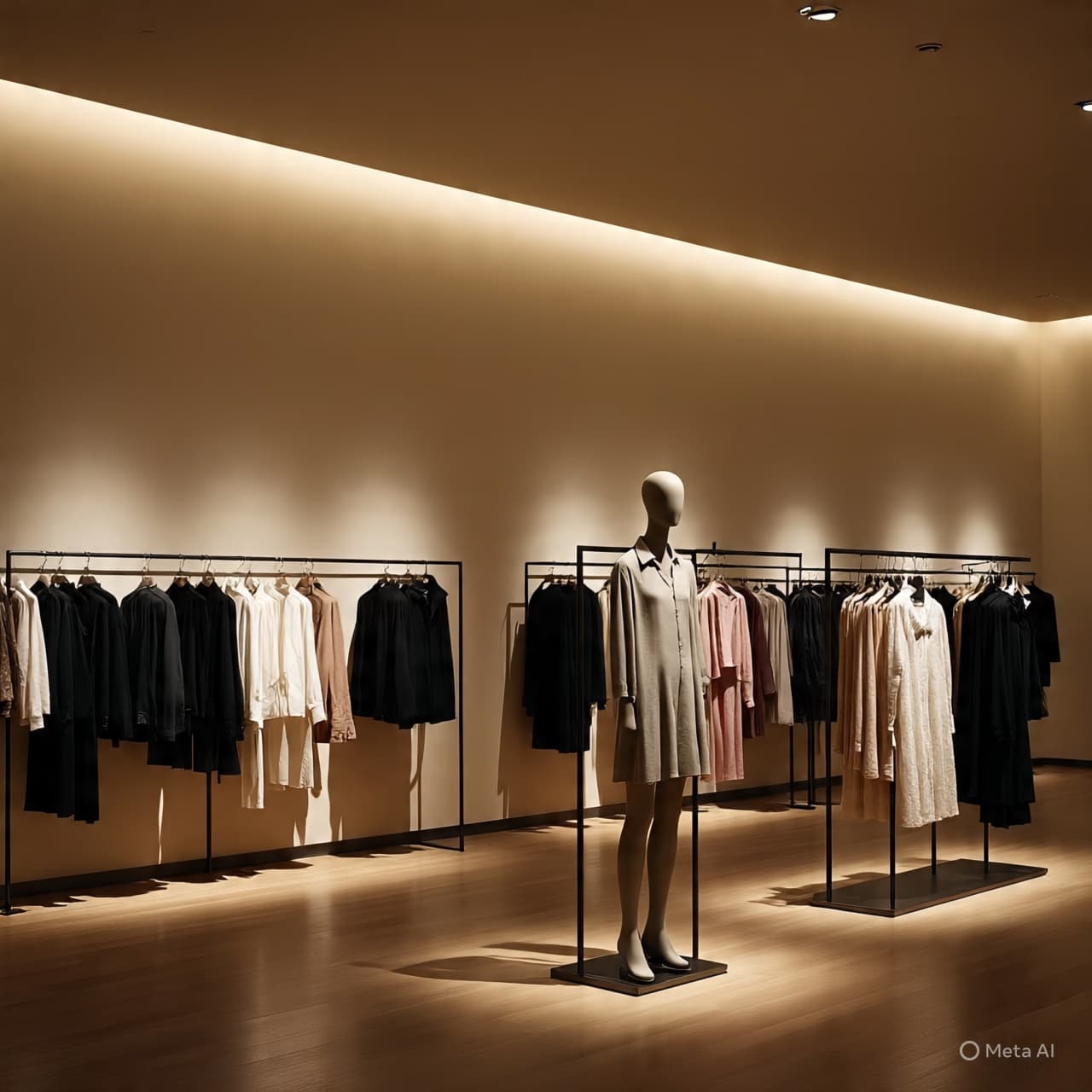
In the early hours before shops unlock their doors, fashion retail carries a particular stillness. Mannequins stand frozen mid-gesture, racks hang heavy with fabric, and window displays hold their poses for passersby not yet awake. These spaces are built for motion — for browsing, choosing, purchasing — yet at times they fall into pause, shaped by forces far beyond hemlines and seasonal color palettes.
Such a pause has arrived for a well-known fashion retailer, which has now filed for Chapter 11 bankruptcy protection. The move marks a moment of reckoning rather than an ending, a legal step that allows companies to reorganize while continuing operations. In court filings, the retailer cited persistent financial strain, shaped by rising costs, shifting consumer habits, and a retail landscape that has grown less forgiving with each passing quarter.
For years, apparel sellers have navigated an uneven recovery. Inflation has reshaped discretionary spending, online competition has intensified, and foot traffic in malls and shopping districts has not returned to pre-pandemic rhythms. Inventory cycles — once predictable — have been disrupted by supply chain volatility and rapidly changing tastes, leaving some brands caught between overstock and missed demand.
The decision to seek bankruptcy protection reflects those cumulative pressures. Chapter 11 offers breathing room: a chance to renegotiate leases, restructure debt, and reassess store footprints. For employees, suppliers, and landlords, it introduces a period of uncertainty tempered by the possibility of continuity. Stores may remain open, orders may still be filled, but the future is recalculated line by line.
Industry analysts note that this filing is not isolated. Fashion retail has seen a steady stream of restructurings as brands attempt to adapt to consumers who shop more cautiously, prioritize value, or shift spending away from apparel altogether. Even recognizable names are no longer insulated from these currents, as loyalty competes with convenience and price sensitivity.
Behind the numbers lie quieter human details: design teams revisiting collections, store managers awaiting guidance, and customers encountering clearance signs where new arrivals were once expected. The rhythm of fashion — once driven by seasonal anticipation — now moves in shorter, more cautious steps.
In straightforward news terms, a fashion retailer has filed for Chapter 11 bankruptcy protection, citing ongoing financial challenges. The filing allows the company to continue operating while it restructures its debts and business operations, reflecting broader pressures facing the apparel retail industry.
AI Image Disclaimer Illustrations were created using AI tools and serve as conceptual representations.
Sources Reuters Bloomberg The Wall Street Journal Associated Press CNBC
Published by Banx Network. This article is part of the Banx decentralized media programme, powered by the BXE token on the XRP Ledger.