Key Highlights
- Cirencester is undergoing a transformation with recent demolitions.
- The demolition process symbolizes a shift towards urban renewal.
- Community dialogue plays a crucial role in shaping future developments.
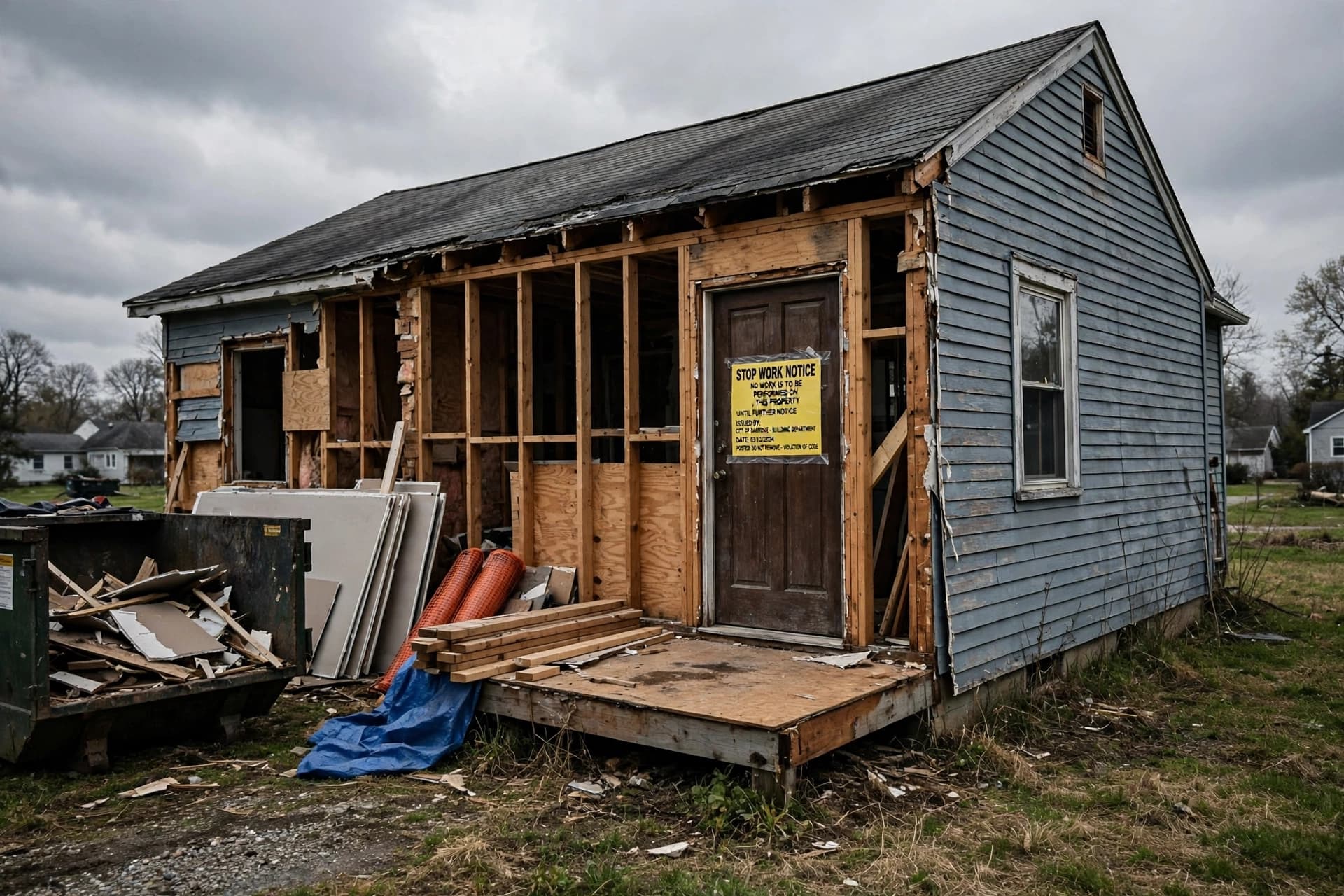
In Cirencester, a town steeped in history, the recent silence following the demolition of several buildings marks a significant moment of transition. This silence is not merely an absence but a space filled with potential, as the community prepares for what lies ahead. The act of demolition, often perceived as an end, serves as a precursor to renewal, allowing the landscape to reset and breathe anew.
The streets of Cirencester, rich with the memories of the past, now bear witness to the clearing of structures that once defined the area. This transformation is part of a broader vision for regeneration, which includes plans for new housing and community spaces. Such developments are not spontaneous; they emerge from careful planning and community engagement, reflecting the desires and needs of local residents.
The psychological impact of demolition extends beyond the physical removal of buildings. For many residents, the familiar outlines of their neighborhood are replaced with a sense of openness and possibility. This shift invites curiosity and anticipation about what will rise in place of the old structures. The ground, now cleared, seems to hold its breath, waiting for the next chapter in Cirencester's story to unfold.
Demolition crews approach their work with precision, ensuring that the dismantling process is safe and orderly. Each step taken is part of a larger sequence that prepares the land for its future use. Rather than chaos, the process reflects a disciplined unbuilding, mirroring the careful construction that once took place. As the dust settles, the neighborhood begins to adapt to its new reality, with light and sound interacting differently in the absence of familiar forms.
The transition from demolition to new development is not instantaneous. It involves a series of planning documents, community discussions, and approvals that will shape the future of Cirencester. In this interim period, the town exists in a state of quiet anticipation, where the potential for a fresh start begins to take shape. This moment of pause is crucial, as it allows the community to reflect on its past while looking forward to the possibilities that lie ahead.
As Cirencester navigates this transformative phase, the importance of community involvement cannot be overstated. Residents are encouraged to engage in conversations about the future of their neighborhood, ensuring that new developments align with their vision for the town. The journey from rubble to renewal is not just about physical structures; it is about fostering a sense of belonging and shared purpose among the community members.
In conclusion, Cirencester stands at a crossroads, where the echoes of the past meet the promise of the future. The demolition of old buildings is not merely an end but a beginning, a chance for the community to redefine itself and embrace the changes that lie ahead. As the town prepares for its next chapter, it does so with a sense of hope and possibility, ready to welcome new life into its streets.
Published by Banx Network. This article is part of the Banx decentralized media programme, powered by the BXE token on the XRP Ledger.