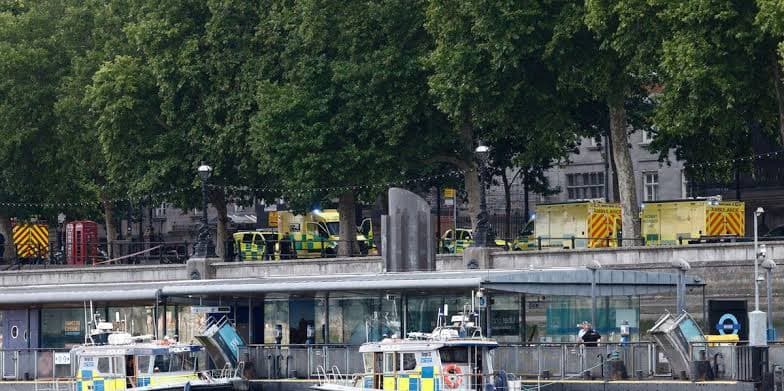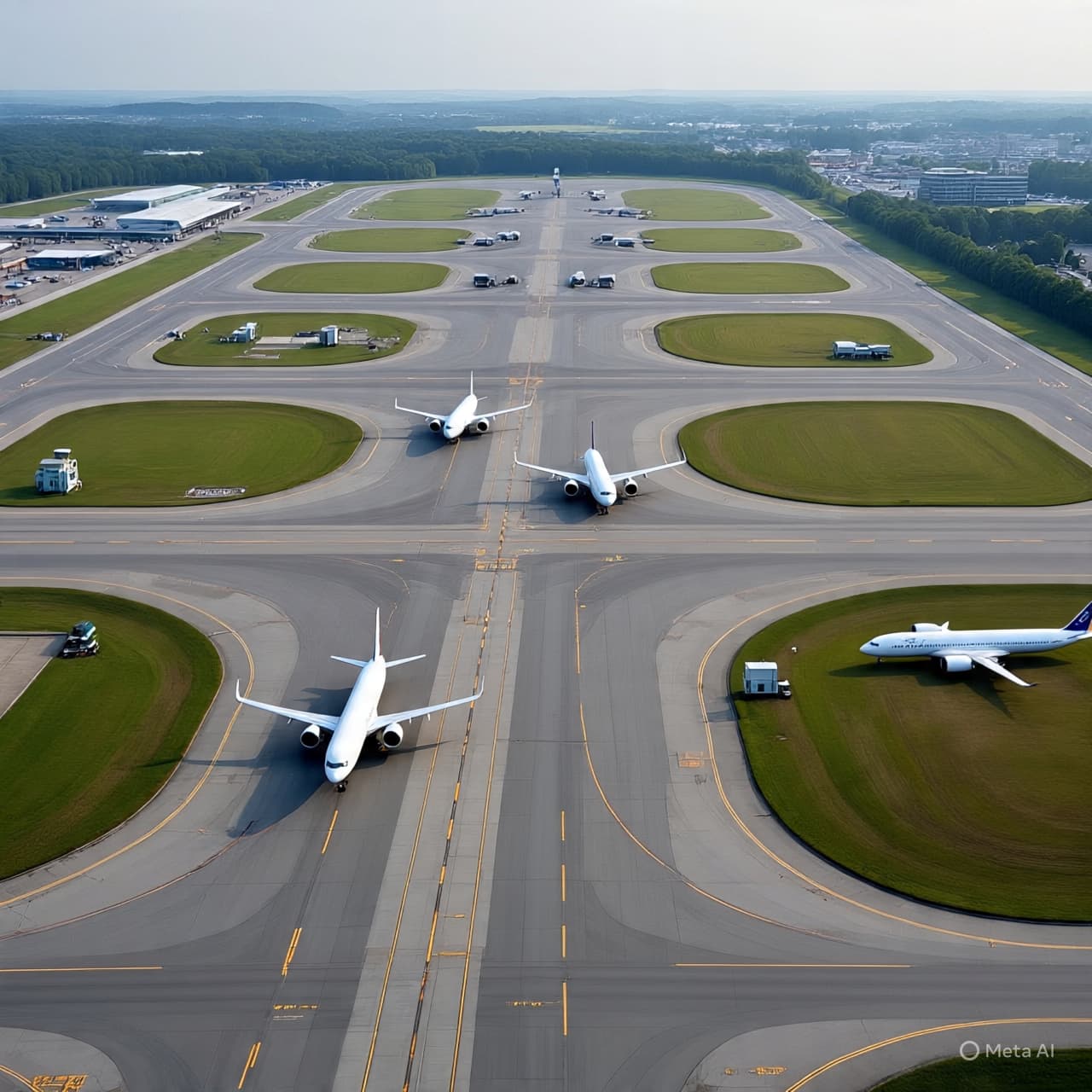
The skies above Munich, usually a stage for the orderly choreography of air travel, recently became a theater of uncertainty. Drone sightings forced Munich Airport to close temporarily, leaving planes grounded and thousands of passengers stranded — a stark reminder of how quickly modern aviation can be disrupted.
According to multiple reports, the airport experienced two waves of closures in early October 2025. The initial shutdown on Thursday evening canceled 17 flights, affecting nearly 3,000 passengers, while a second disruption the following day involved additional drone sightings, resulting in cancellations and diversions for approximately 6,500 travelers.
Airport authorities, in coordination with aviation safety agencies, halted operations as a precaution. Officials emphasized that no collisions were reported, but the drone incursions posed serious safety risks given the high volume of air traffic at one of Europe’s busiest airports. Airlines scrambled to adjust schedules, reroute flights, and accommodate affected passengers.
The incidents sparked broader concerns across Europe. Aviation experts and government officials highlighted the potential security implications of unauthorized drones in controlled airspace, raising questions about regulations, enforcement, and protective measures to prevent future disruptions. EU leaders are reportedly reviewing contingency protocols to address such threats more effectively.
While the airport has since reopened, the events underline the fragility of complex airspace systems in the face of unmanned aerial vehicles. For passengers, airline crews, and regulators, the Munich drone alert serves as a reminder that vigilance and rapid response are essential to maintaining the safety and reliability of modern aviation.
Images by : Ai Images Generator, may had wrong. *Sources*
Reuters, The Guardian, The Washington Post, AP News, France24
Published by Banx Network. This article is part of the Banx decentralized media programme, powered by the BXE token on the XRP Ledger.