
Key Highlights
- Project Overview:Dutch photographer Martin Roemers explores identity through vehicles in his Homo Mobilis project.
- Global Reach:The project features nearly 200 vehicles from eight countries across four continents.
- Cultural Significance:Each vehicle tells a unique story about its owner's life, profession, and values.
[Project Overview] In the stillness that drapes cities before the first engines hum to life, there is a quiet narrative waiting beside every driveway and at the curb of every street. A parked car — subdued under early light — seems at first like an ordinary object, a machine awaiting motion. Yet look more closely, and the car becomes a kind of mirror: a surface upon which lives, cultures, and personal histories are subtly, sometimes boldly, written. It was this idea that drew Dutch photographer Martin Roemers to a project he calls Homo Mobilis, a phrase that translates to “mobile human,” a reminder that the machines we move in also move us into the realm of identity and memory.
[Global Reach] Roemers’s work stretches across continents and cultures, gathering nearly 200 vehicles and their owners into a photographic collection that is as much about people as it is about their cars. Seen in the white-backdrop stillness of a studio setting, these vehicles stop being mere transport and begin to suggest stories: of profession, belief, and belonging. A battered sedan painted with “Afghan Carpets” parked in Mumbai speaks of a craftsman’s trade and pride; a modest car with a garden sprouting from its roof in Bengaluru hints at its owner’s devotion to environmental causes. In these images, the car is not just a conveyance but a statement — of worldview, of circumstance, of a life in motion.
[Cultural Significance] Across eight countries on four continents, Roemers invited owners to bring their vehicles to a controlled setting, where the distractions of background and context fall away and only the object and its presence remain. A minibike used to sell newspapers in Senegal or a repurposed cargo tricycle in China becomes, when stripped of its urban clutter, a testament to ingenuity and resilience. Beyond forms and functions, the car surfaces as a culturally shaped artifact, a repository of local needs and aspirations. The lawyer who waters the grass growing atop his car each day does more than travel; he broadcasts a conviction — that mobility and ecology might coexist.
[Personal Narratives] The project’s reach also moves into quieter, more personal spaces. In Los Angeles, vehicles double as homes for those without other shelter, and in other locations, family members stand before their cars, cradling the familiar in a single frame. The choice of vehicle, its wear and adornment, its very presence on a road or in a studio, becomes an invitation to look deeper at what binds people to place, to work, to community. Through Roemers’s lens, the car ceases to be a mere assemblage of metal and wheels and begins to speak, however softly, about belonging, survival, and mobility in a world where both road and life are continually reshaped.
[Conclusion] As this quiet journey from reflection to reportage comes into view, the emerging picture is clear: vehicles — from ornate and embellished cars to humble transport and repurposed machines — can be seen as reflections of their owners’ lives, values, and circumstances. Photographer Martin Roemers’s Homo Mobilis project uses studio-style car portraits to ask and reveal: what does the way we move tell us about who we are? The answers, captured in photographs, suggest that cars carry much more than people.
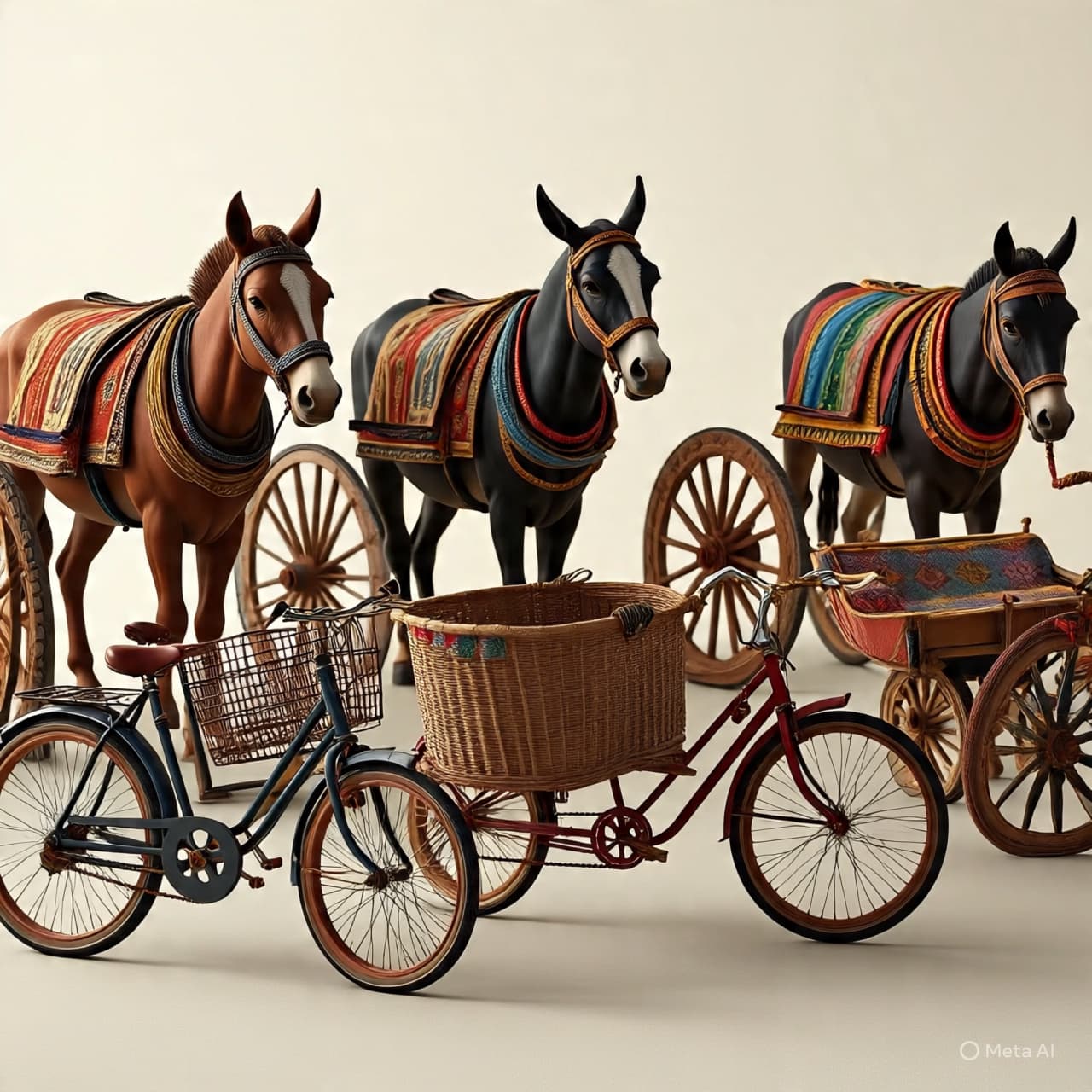
Illustrations were created using AI tools and serve as conceptual representations.
Published by Banx Network. This article is part of the Banx decentralized media programme, powered by the BXE token on the XRP Ledger.



