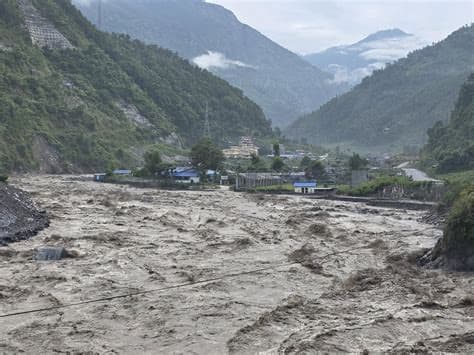
Morning light in Madagascar often arrives softly, filtered through clouds that drift in from the Indian Ocean. After days of wind and rain, that light fell on altered ground—fields pressed flat, roads reshaped by water, homes bearing the quiet marks of survival. The island, accustomed to weather’s long moods, was left to count what remained and what had been taken.
From Rome, words crossed the distance. During a public address, Pope Francis offered prayers for those affected by devastating cyclones that have struck Madagascar, acknowledging lives lost and communities battered by storms that arrived in succession. His message, brief and measured, carried the weight of recognition—an outward sign that the suffering of a faraway island had reached the wider world.
The cyclones tore across coastal regions and inland areas alike, bringing heavy rains and powerful winds that flooded villages and damaged crops. Emergency officials reported deaths and widespread displacement, with thousands forced to seek shelter as rivers rose and infrastructure faltered. In a country where many rely on the land for daily sustenance, the loss of harvests adds a quieter, longer-term hardship to the immediate shock.
Madagascar sits in a corridor where the ocean gathers energy each year, and storms have become a familiar threat. Yet recent seasons have tested the limits of preparedness. Aid agencies moved to deliver food, clean water, and medical assistance, navigating washed-out roads and strained supply lines. The work is practical and unglamorous, measured in tarps, medicine, and time.
The Pope’s prayer joined a wider chorus of international concern. Such gestures do not rebuild homes or drain flooded fields, but they offer something less tangible and still necessary: attention. In moments when disasters blur into statistics, naming the place and the pain helps keep the human scale intact.
On the island, recovery unfolds slowly. Families salvage what they can, neighbors share tools and stories, and children adapt to new routines shaped by loss. The storms have passed, but their presence lingers in the damp air and the altered map of daily life.
As days lengthen and the sky clears, Madagascar faces the work ahead with a patience learned over generations. From afar, prayers and pledges arrive; from within, resilience takes root again. The cyclones will be recorded in reports and remembered in names, but for those who live there, they will also be remembered in quieter ways—in the first repaired roof, the first replanted field, the first morning when the light feels gentle once more.
AI Image Disclaimer Illustrations were created using AI tools and are not real photographs.
Sources Reuters Associated Press BBC News Vatican News
Published by Banx Network. This article is part of the Banx decentralized media programme, powered by the BXE token on the XRP Ledger.