There are places where the pace has a history of grandeur — a long river that once rushed under bridges heavy with commerce and ambition — and then, over time, a gentle widening under broader skies. In Beijing’s halls of power this week, a different sort of shift was pronounced: a moment in which motion is measured not by haste but by deliberation, where the familiar choreography of growth is being tempered with an eye toward balance.
At the annual session of China’s legislature, leaders unveiled an economic growth target for 2026 — a range of 4.5 percent to 5 percent — marking the first time in decades that the official goal has been set below the symbolic threshold of 5 percent. This modest target reflects a nuanced understanding of an economy that has powered the world’s second‑largest markets for years, yet now confronts more complex internal and external currents.
For decades, China’s numbers carried a forward thrust, bolstered by export demand, manufacturing might, and rapid urban expansion. Official goals of “around 5 percent” became almost ritual, a rhythmic heartbeat that underpinned policy from Beijing to provincial capitals. This year’s recalibration — the lowest growth target since the early 1990s, apart from the pandemic’s disruption — signals both a recognition of changing conditions and a deliberate willingness to allow that vast economy a slightly gentler pace.
The reasons for this shift are as multifaceted as the nation’s own terrain. Domestic consumption, long touted as a driver to supplant reliance on exports, has shown signs of hesitation amid a slumping property sector and cautious household spending. Meanwhile, the embers of global uncertainty — from trade tensions to geopolitical shocks — have reminded policymakers that resilience often emerges not from relentless acceleration, but from adaptability.
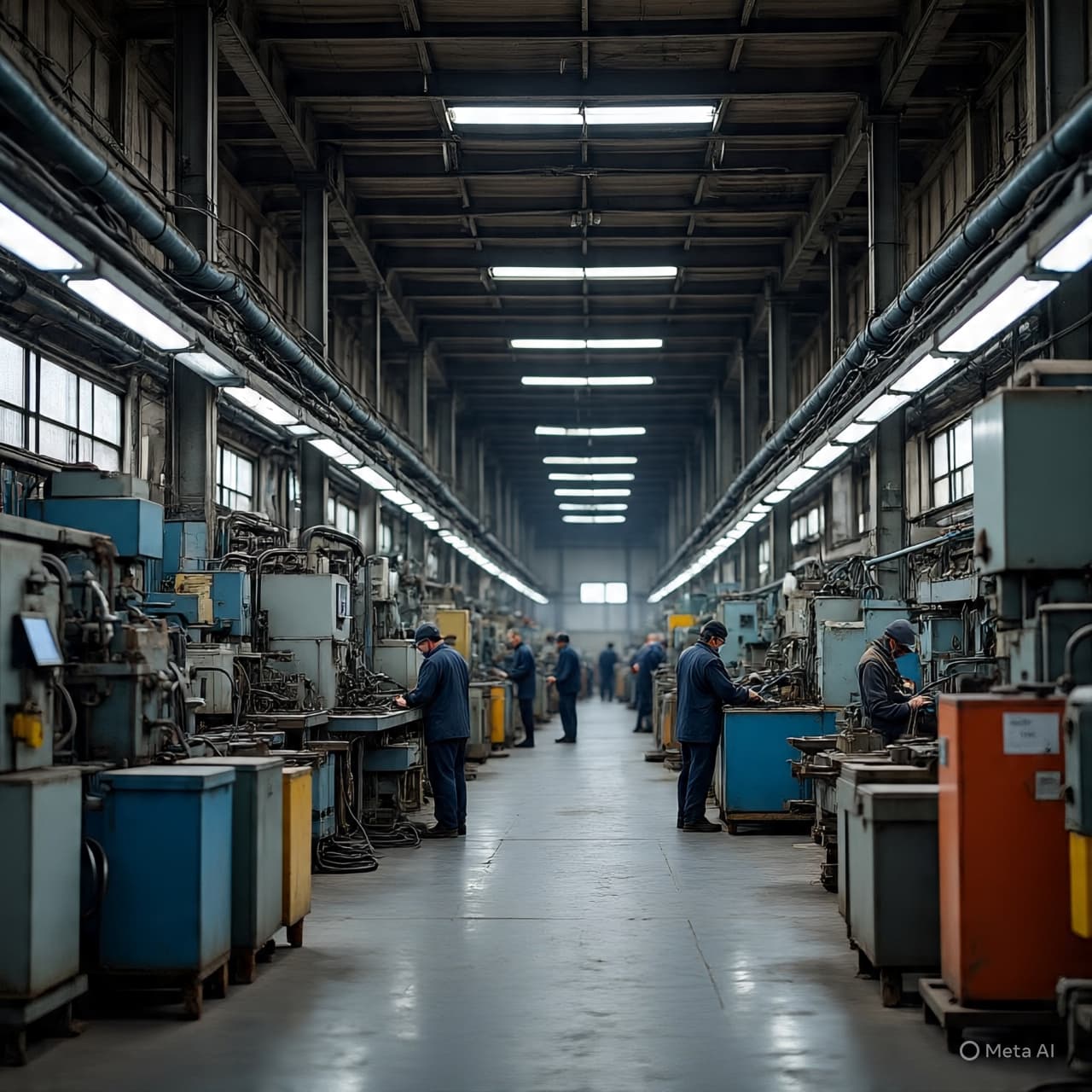
In contemplating these figures, it helps to imagine the landscape of everyday economic life in China today: factories in Nanyang humming with routine orders; a mall in Shenzhen brimming with young shoppers testing the latest gadgets; a small café in Chengdu balancing its books as it retools its menu for more local demand. The growth number — 4.5 to 5 percent — is not merely a statistic but a portrait of how energy might be spread across the countryside, the city, and the margins between them.
Officials have framed the target as “realistic” and reflective of long‑term priorities. Investments in technology and innovation, such as semiconductor development and artificial intelligence, remain central, even as fiscal policy maintains modest support for employment and social services. Local authorities have also been given room to issue special bonds and support targeted investment projects, reinforcing the idea that growth is not a monolithic surge but a tapestry of activities small and large.
Interpretations vary among observers. Some see this as an acknowledgment of the structural headwinds confronting China: demographic shifts, a cooling property market, and the pressures of evolving global trade. Others view it as an intentional pivot toward “high‑quality development,” where success is measured less by sheer speed and more by sustainability and inclusivity.
Whatever the interpretation, the new target stands as a clear signal from Beijing: the era of double‑digit expansion has ceded ground to a stage where nimbleness and nuance matter more than raw acceleration. It is a reminder that even the most towering economies must adapt their rhythm to the crosswinds of time.
China has set its economic growth target for 2026 at 4.5 percent to 5 percent, below the 5 percent pace of recent years and marking the lowest such target in decades. The figure was announced by Premier Li Qiang at the opening session of the National People’s Congress, where leaders outlined broader policy priorities amid ongoing domestic and global economic challenges.
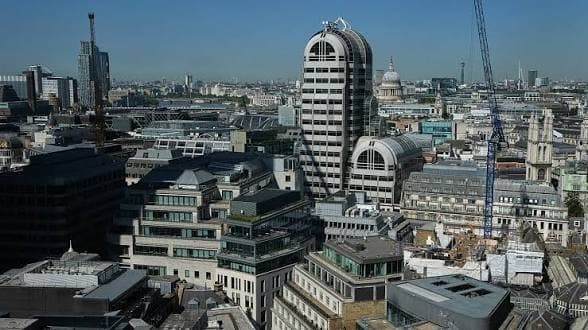
AI Image Disclaimer Visuals are AI-generated and serve as conceptual representations.
Sources (Media Names Only) Reuters The Guardian ABC News Trading Economics Bloomberg
Published by Banx Network. This article is part of the Banx decentralized media programme, powered by the BXE token on the XRP Ledger.


.jpg&w=3840&q=75 "India Says First Phase of U.S. Trade Deal Is Nearly Done, Seeks Edge Over Rivals")