The mornings in eastern Latvia arrive slowly in May. Mist settles over pine forests and rail lines, and the roads near Rezekne carry the quiet rhythm of trucks, buses, and border traffic moving between histories. Yet in recent days, the stillness of the Baltic landscape has felt unusually thin, as though the distant war beyond the frontier had begun pressing its hand more firmly against the glass.
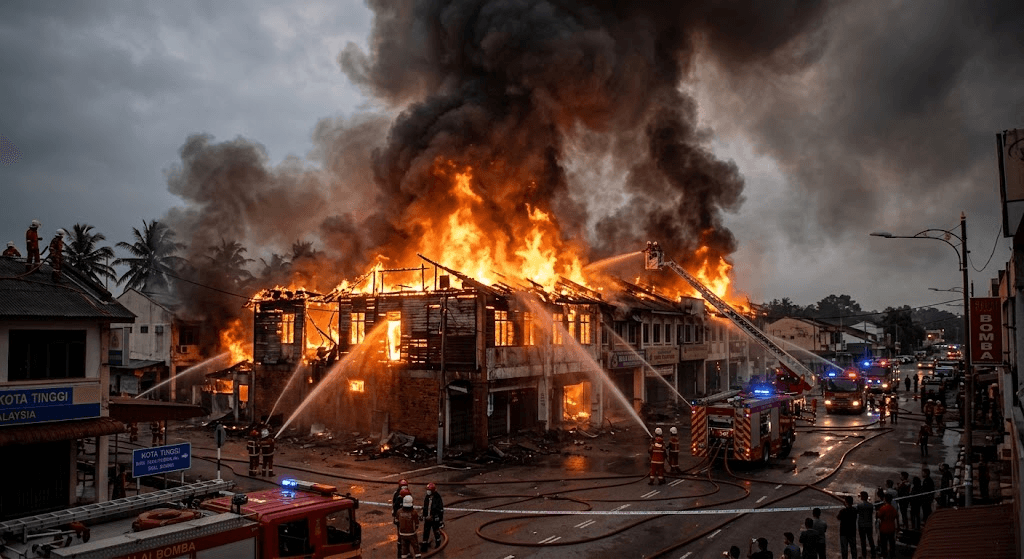
It was not a large explosion that altered the political weather in Riga. The drones that crossed into Latvian territory reportedly struck empty fuel storage tanks, causing limited physical damage and no civilian deaths. But their arrival carried another kind of force — the unsettling reminder that modern conflicts no longer remain neatly within borders. Electronic interference, shifting trajectories, and invisible signals now move through the skies with the unpredictability of weather fronts, carrying consequences far beyond intended targets.
This week, that unease reached the center of Latvian politics. Prime Minister Evika Siliņa resigned after her coalition government fractured over the handling of repeated drone incursions linked to the war in Ukraine. The crisis deepened after Defense Minister Andris Sprūds was dismissed following criticism that Latvia’s anti-drone defenses and emergency responses had failed to act quickly enough when the aircraft entered national airspace.
For Latvia, a country that has spent years strengthening its defenses under the shadow of Russia’s invasion of Ukraine, the incidents touched a sensitive nerve. The Baltic republic sits on NATO’s eastern flank, where military preparedness is discussed not in abstractions but in terms of proximity and memory. Forests here still hold echoes of occupations, borders, and vanished empires. Security debates arrive not as distant policy arguments, but as part of daily geography.
Officials in Kyiv suggested the drones had likely been diverted by Russian electronic warfare systems while targeting locations inside Russia. Latvia’s leadership did not accuse Ukraine directly of deliberate violations, and Ukrainian authorities offered assistance to improve regional air defense coordination. Yet public frustration grew around how slowly warnings reached residents and how unprepared national systems appeared during the incidents.
The political rupture that followed revealed tensions that had already been quietly gathering beneath the coalition government. The left-leaning Progressives party withdrew support after Sprūds’ removal, arguing he had become a scapegoat for broader structural weaknesses. Without their backing, Siliņa’s government lost its parliamentary majority only months before national elections scheduled for October.
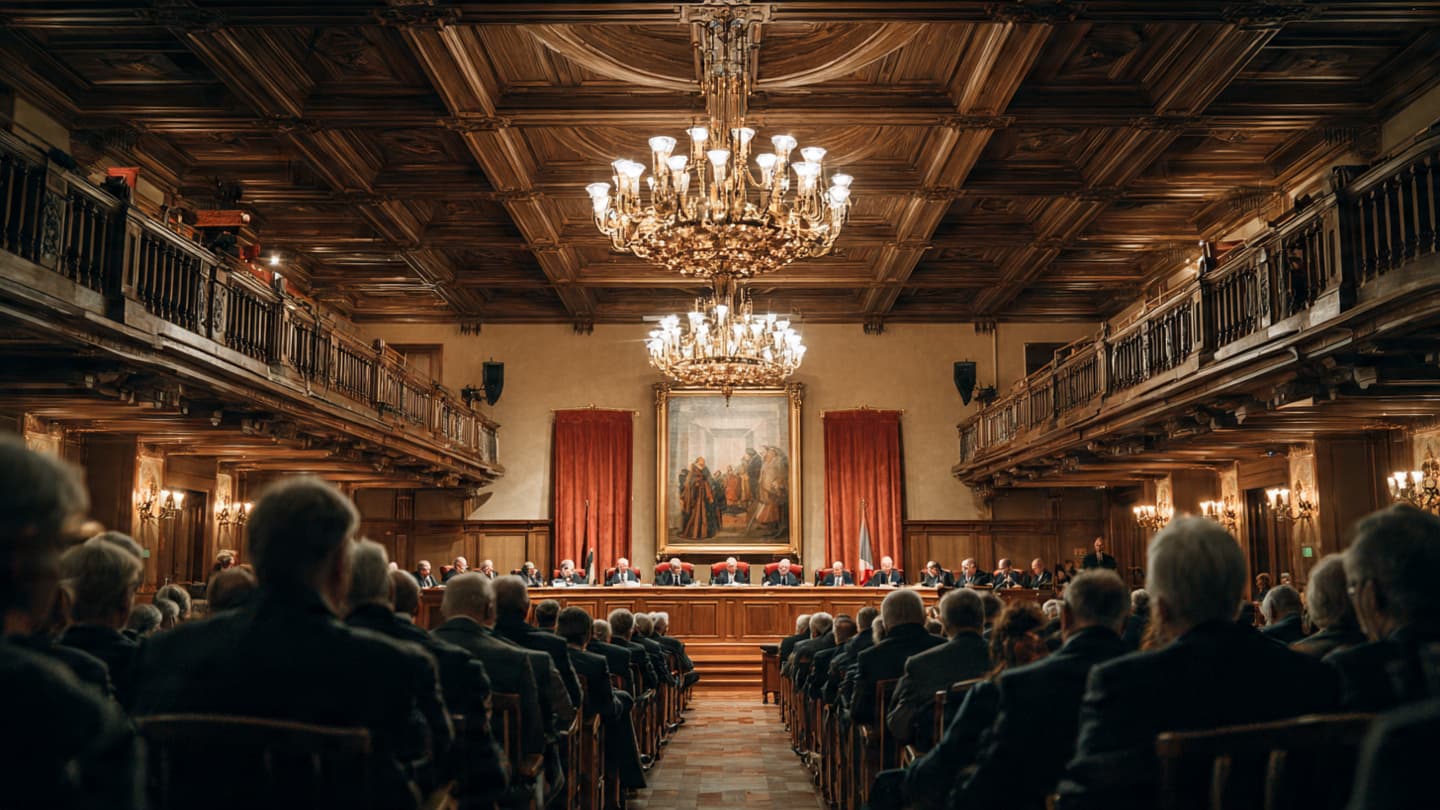
In Riga, the resignation unfolded with little theatricality. There were no scenes of chaos in the streets, no dramatic declarations beneath floodlights. Instead, the collapse carried the restrained tone common to much of Northern European politics — measured statements, consultations at the presidential palace, and the steady machinery of parliamentary procedure continuing beneath gray skies and television cameras. President Edgars Rinkēvičs is now expected to consult party leaders as efforts begin to form a new government.
Still, the symbolism of the moment lingers. The war in Ukraine has already reshaped Europe’s energy systems, migration patterns, military budgets, and political language. Now it is also reshaping the emotional geography of neighboring states — places where the war is not being fought directly, yet is increasingly felt in fragments: a diverted drone, an interrupted signal, a delayed emergency alert in the early hours before dawn.
In towns near Latvia’s eastern frontier, daily life continues. Markets open, trains arrive, and spring light stretches across fields near the border. But above these ordinary routines hangs a quieter awareness that the distance between conflict and calm has narrowed. The drones that crossed the Baltic skies caused limited destruction on the ground, yet their political aftershock proved far wider, bringing down a government and reopening difficult questions about security, preparedness, and the fragile balance of trust between citizens and the institutions meant to protect them.
AI Image Disclaimer Illustrations were generated using AI and are intended as visual interpretations of current events.
Sources
Reuters Associated Press The Guardian Euronews The Washington Post
Published by Banx Network. This article is part of the Banx decentralized media programme, powered by the BXE token on the XRP Ledger.