There are moments when a policy, long discussed and slowly assembled, is said to arrive at its intended hour—not with ceremony, but with a certain quiet recognition that circumstances have begun to mirror its design. It is less a declaration of success than a suggestion of alignment, as though the present has finally caught up with the past.
In Washington, that sense of timing has begun to shape the language surrounding energy. U.S. Secretary of the Interior Doug Burgum has described former President Donald Trump’s energy strategy as one “built for this moment,” a phrase that carries both confidence and context. It suggests a framework conceived with a particular set of conditions in mind—conditions that, now, appear to be taking form.
The moment itself is defined by strain as much as by demand. Global energy markets continue to respond to shifting geopolitical tensions, disruptions in supply, and the steady return of consumption across industries. Prices have moved upward in recent sessions, and uncertainty remains embedded in the outlook. Within this environment, the idea of preparedness takes on a different weight.
The strategy referenced by Burgum has long emphasized domestic production—expanding oil and gas output, reducing reliance on external sources, and positioning the United States as a stabilizing force in global markets. These elements, once framed as forward-looking, now appear to intersect with present realities. Supply constraints elsewhere, coupled with volatility in key regions, have brought renewed attention to the role of domestic energy capacity.
Yet the language of readiness does not eliminate complexity. Energy systems, by their nature, operate across long timelines, shaped by investment cycles, infrastructure development, and regulatory frameworks that extend beyond any single moment. What is described as “built for this moment” is, in practice, the result of decisions made over years—policies that have gradually taken shape and now meet a changing environment.
Markets, in turn, reflect this interplay between policy and condition. Rising prices, shifting expectations, and ongoing uncertainty have created a landscape in which energy strategies are tested not in theory, but in application. The effectiveness of any approach becomes visible not in its design alone, but in how it responds to pressure.
There is also a broader dimension to consider. Energy policy does not exist in isolation; it intersects with environmental goals, technological change, and the evolving structure of global trade. The balance between these elements remains delicate, requiring adjustments that are often incremental rather than immediate.
And so the statement settles into the wider conversation—not as a conclusion, but as part of an ongoing assessment. To say that a strategy is built for the present moment is to suggest that it has found its relevance, but not necessarily its final form.
U.S. Secretary of the Interior Doug Burgum said that Donald Trump’s energy strategy is “built for this moment,” referring to current global energy market conditions marked by supply concerns and rising prices. The remarks highlight an emphasis on domestic production and energy independence as key components of the strategy.
AI Image Disclaimer
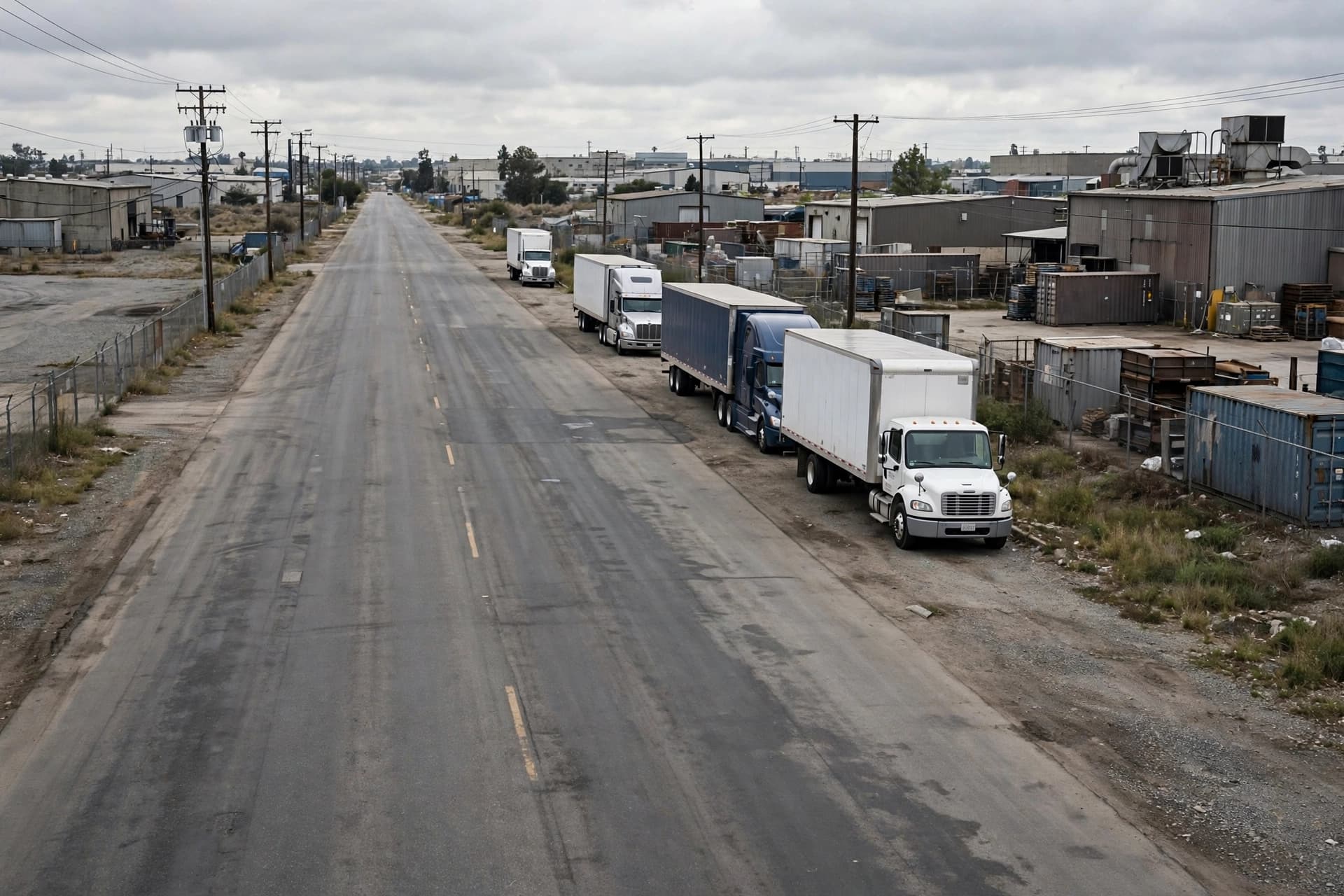
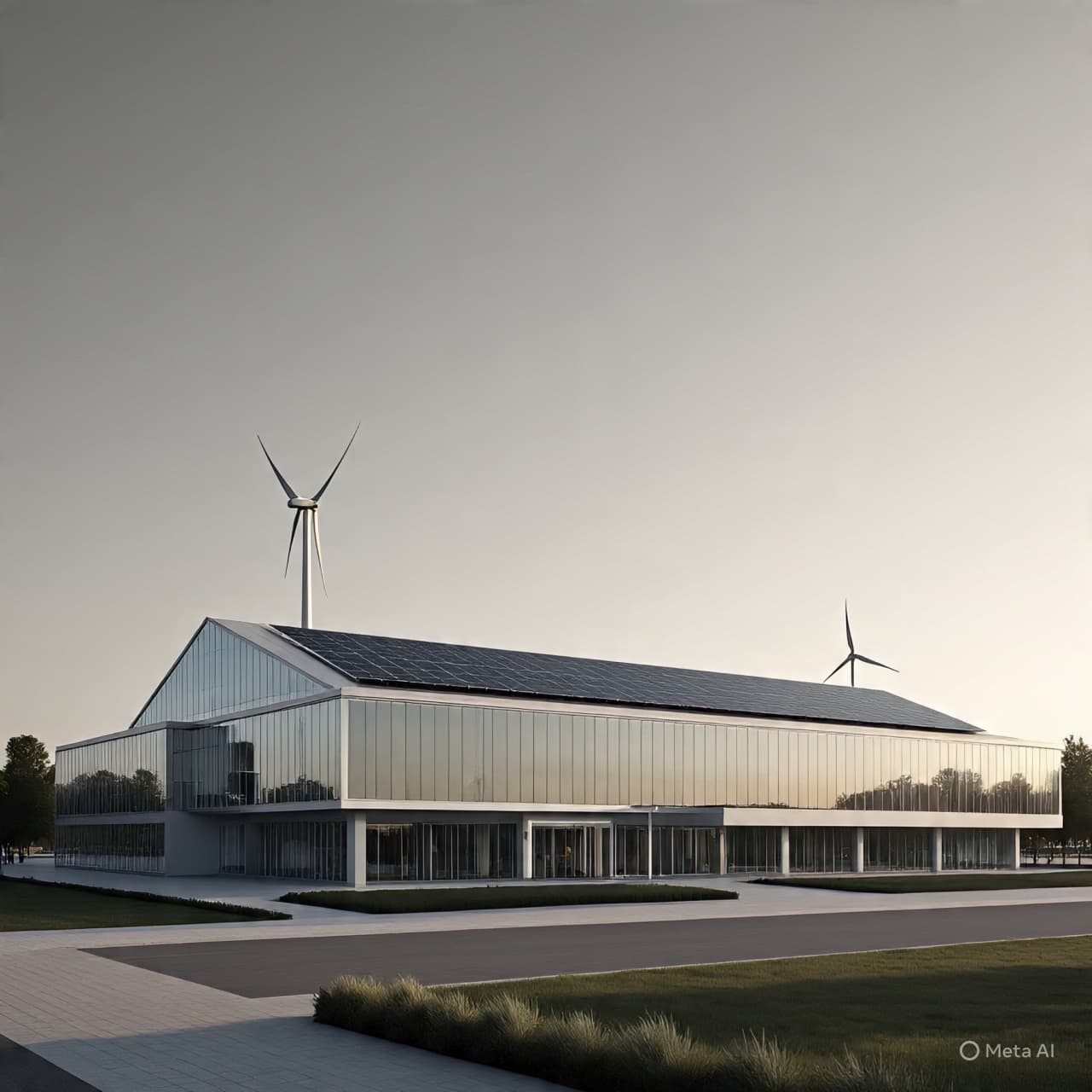
Images in this piece were generated using AI and are intended for illustrative purposes only.
Source Check Reuters Bloomberg CNBC The Wall Street Journal Financial Times
Published by Banx Network. This article is part of the Banx decentralized media programme, powered by the BXE token on the XRP Ledger.