Morning light filters over Tokyo’s streets, glinting off glass towers and steel rails. The city hums with its usual rhythm, yet today, beneath the familiar cadence, there is a subtle tension—a sense that unseen forces, far from these streets, have begun to ripple through the heart of the financial capital.
Over the past week, oil prices have surged dramatically, a swift ascent that has captured the attention of markets around the globe. In Japan, the effects are already visible. Equity indices have retreated as investors adjust expectations for energy costs and corporate margins. Government bonds have slipped, reflecting recalibrated risk assessments in the wake of higher commodity prices. And the yen, often a refuge in turbulent times, has weakened as capital flows respond to the shockwaves of crude.
The rise in oil, fueled by tightening supplies and geopolitical uncertainties, illustrates the delicate interplay between energy and economic sentiment. Companies that rely heavily on fuel for production, transportation, or power generation face the prospect of rising operational costs. Households may encounter higher utility bills and transportation expenses. Even subtle shifts can ripple outward, influencing consumption patterns and investment decisions.
Analysts note that this rally is not purely a Japanese phenomenon. Global markets, interlinked through trade, capital, and finance, are adjusting simultaneously, yet Japan’s sensitivity is heightened by its status as a major oil importer. A nation whose economy thrives on manufacturing, shipping, and technology now confronts the direct consequences of a world in flux.
For the everyday observer, the impact is abstract—figures on a screen, percentages that rise and fall. Yet behind these numbers are tangible realities: businesses recalibrating budgets, investors reconsidering positions, families adjusting spending. The rhythm of daily life and the cadence of corporate decision-making are, in subtle ways, intertwined with the movement of barrels of oil thousands of miles away.
This moment underscores a broader lesson in economic interdependence. Commodities, currencies, and securities are no longer isolated instruments; they are threads in a larger fabric, each tug influencing the weave of global commerce. Japan’s markets, like a finely tuned instrument, respond with sensitivity to distant tremors, reminding us that local stability is inseparable from global currents.
As traders navigate screens, charts, and news feeds, one fact remains clear: oil’s rally is a tangible force, shaping not just portfolios but perceptions, decisions, and the quiet calculations that define both business and daily life. Tokyo moves on, yet the pulse of the global oil market continues to echo through its streets, boardrooms, and financial institutions.
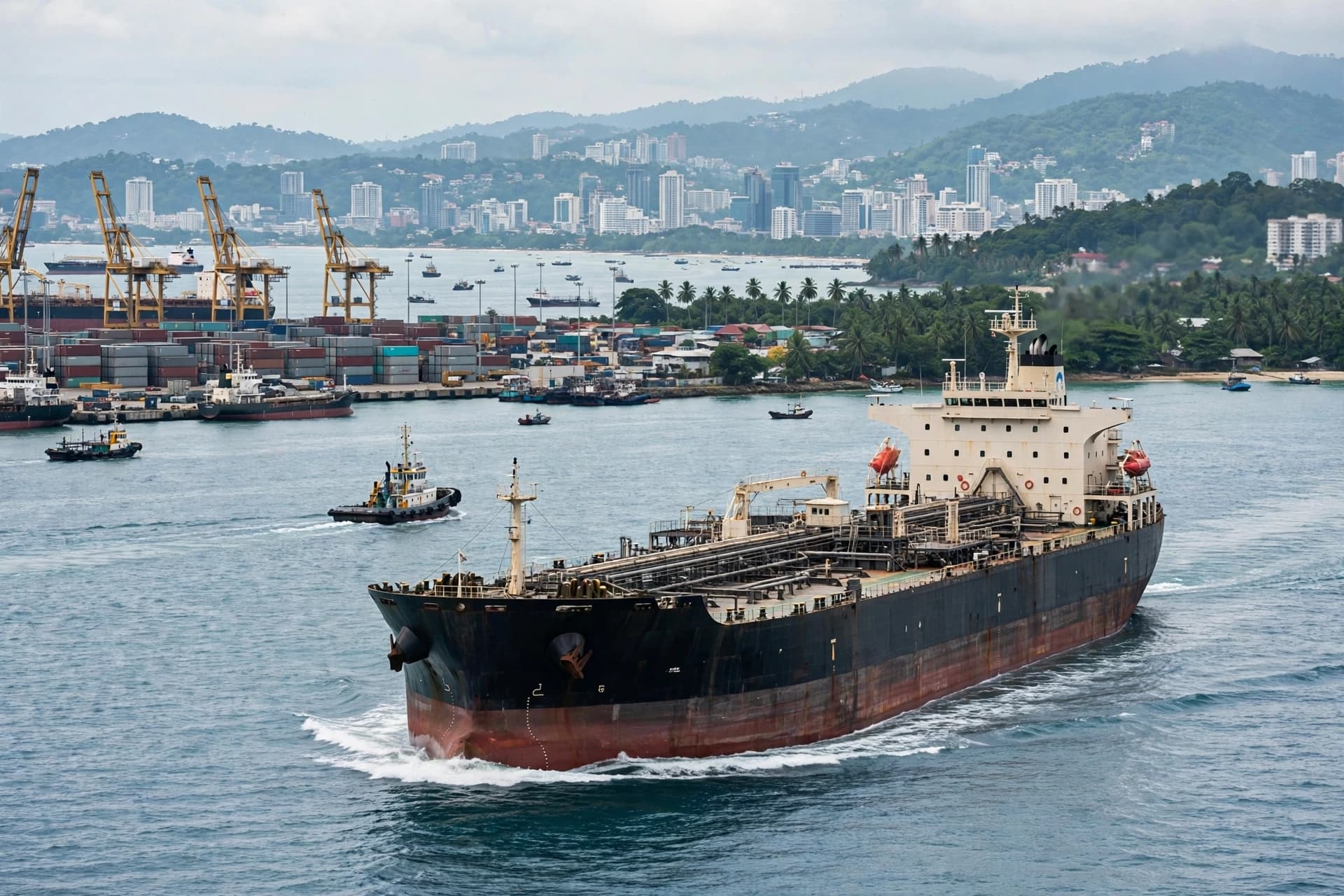
AI Image Disclaimer Visuals are AI-generated and serve as conceptual representations.
Sources Reuters Bloomberg Financial Times Nikkei Asia CNBC
Published by Banx Network. This article is part of the Banx decentralized media programme, powered by the BXE token on the XRP Ledger.