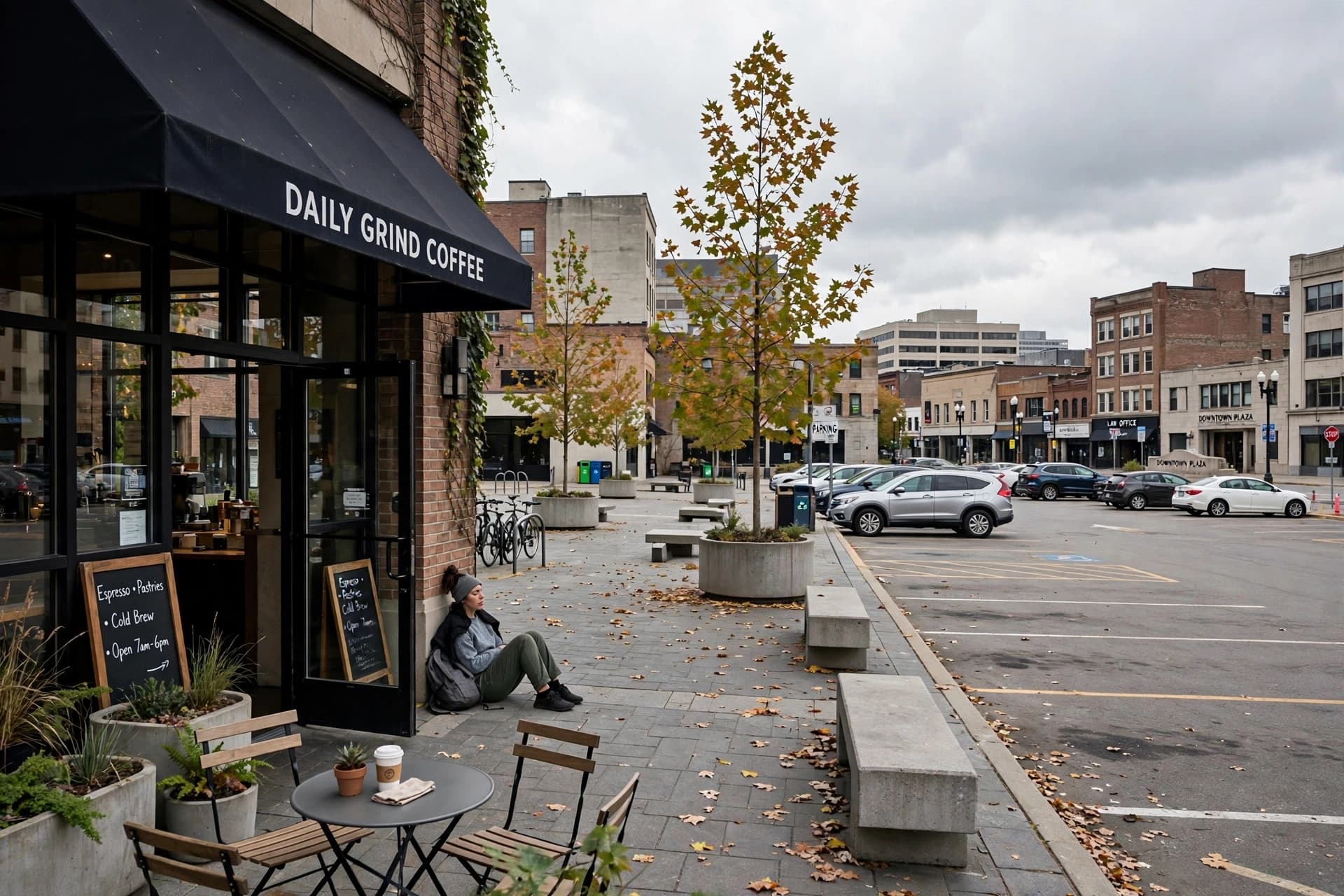
As the afternoon light stretches across office desks and warehouse floors, retirement can feel like a shoreline barely visible through heat and distance. It is spoken of in numbers—percentages, balances, projections—but lived in smaller moments: a worker pausing before a paycheck stub, a family weighing groceries against the idea of setting something aside. The future, for many, is not a grand plan but a quiet question.
Into that question comes a proposal from Donald Trump: a federal match of up to $1,000 a year for workers who contribute to retirement accounts, particularly those without access to employer-sponsored 401(k) plans. The idea is to create portable accounts, modeled in part on the federal government’s Thrift Savings Plan, and to offer an annual government contribution to those who save on their own.
The landscape this proposal addresses is wide and uneven. Millions of American workers—especially those employed by small businesses, working part time, or participating in the gig economy—do not have access to workplace retirement plans. Without automatic enrollment or employer matching, saving often becomes an optional act, postponed amid rent, child care, and daily expenses.
Under the proposal, workers who contribute up to a set amount could receive a federal match capped at $1,000 per year. Over time, that match—compounded across decades—could meaningfully increase a retirement balance. For a younger worker earning modest wages, the arithmetic of compounding may quietly reshape the horizon. A thousand dollars today, repeated year after year, gathers force not through spectacle but through time.
The concept draws on existing retirement policy frameworks, including provisions aimed at expanding incentives for low- and moderate-income savers. Supporters argue that a clear, visible match could motivate participation in a way tax deductions alone often do not. Behavioral economists have long noted that immediate, tangible rewards tend to change habits more effectively than distant, abstract benefits.
Yet the practical terrain is more complex. To receive the match, workers must first contribute their own funds. For households living paycheck to paycheck, even a few hundred dollars in annual savings can feel out of reach. Automatic enrollment may increase participation, but without sufficient income stability, enrollment does not guarantee sustained contributions.
Questions also remain about cost and implementation. Funding a federal match at scale would require budgetary resources, and the administrative design—how accounts are managed, who qualifies, how contributions are verified—would shape the program’s ultimate reach. Lawmakers would need to determine whether new legislation is required or whether existing statutory authority is sufficient.
The idea of giving workers $1,000 for retirement rests somewhere between aspiration and arithmetic. It acknowledges a gap in the system while offering a modest lever to close it. Whether it works may depend less on the size of the match than on the conditions surrounding it: wage growth, job stability, financial literacy, and trust in the institutions that promise security decades ahead.
President Trump has proposed creating portable retirement accounts with a federal match of up to $1,000 per year for eligible workers who contribute their own savings. The plan aims to expand access to retirement savings for those without employer-sponsored plans. Its effectiveness will depend on participation rates, funding decisions, and the details of implementation.
AI Image Disclaimer
Visuals are AI-generated and serve as conceptual representations.
Source Check
The Washington Post CBS News PBS NewsHour Bloomberg The Wall Street Journal
Published by Banx Network. This article is part of the Banx decentralized media programme, powered by the BXE token on the XRP Ledger.