
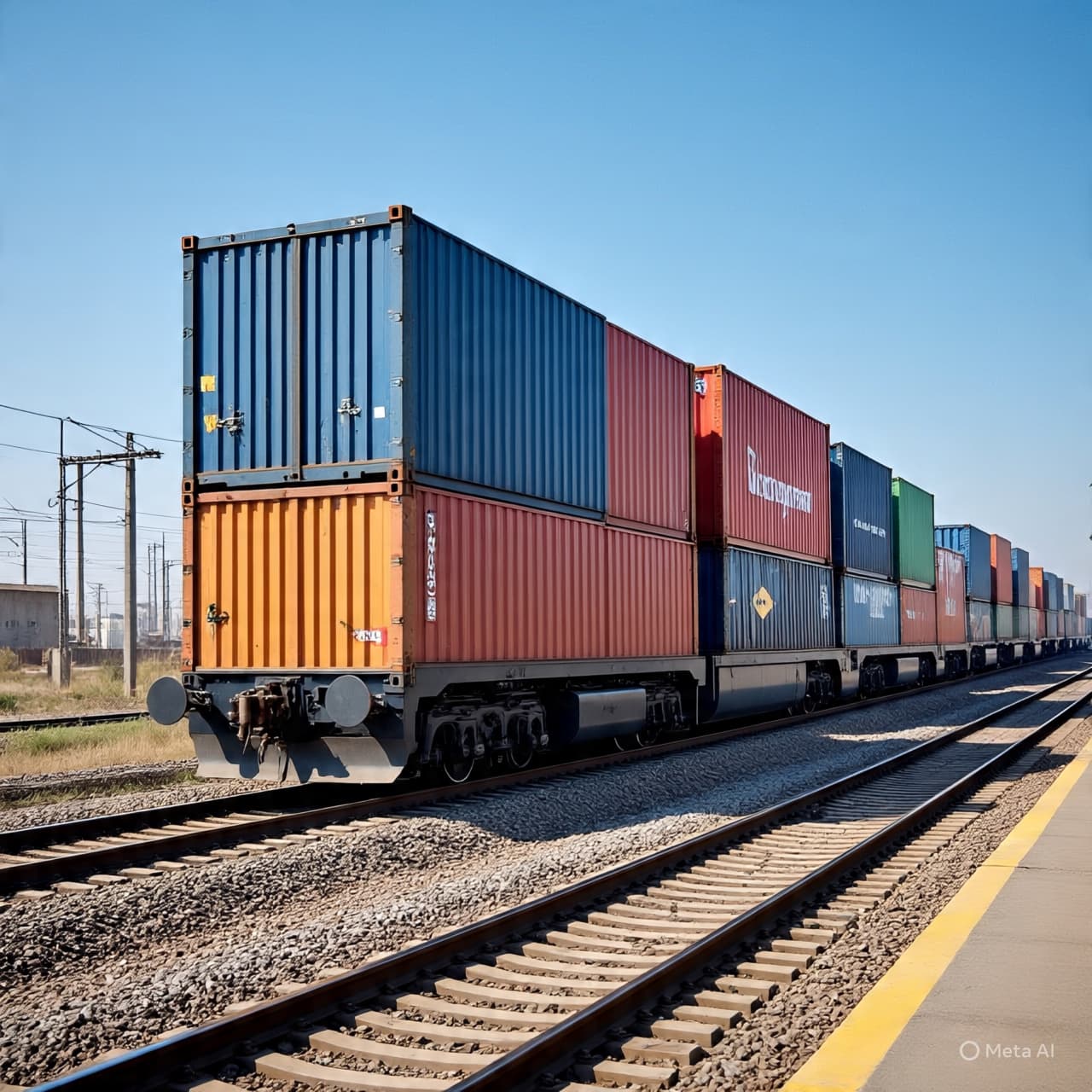
Railways have always carried more than cargo. They carry ambition. They carry the quiet hum of progress rolling steadily across plains and through cities. In Tanzania, steel tracks now seem to whisper a different kind of story — one not only about movement, but about transformation. The launch of container transport services on the country’s electric-powered Standard Gauge Railway marks a chapter that feels both modern and deeply symbolic, as if the nation is carefully stitching its past to a more sustainable future.
The electric Standard Gauge Railway line, stretching from the port city of Dar es Salaam toward the interior, has gradually emerged as one of East Africa’s most closely watched infrastructure projects. With the introduction of containerized freight services powered by electricity, Tanzania is signaling more than operational expansion. It is affirming a commitment to efficiency, environmental consideration, and regional integration.
The transition to electric traction sets this railway apart in a region where diesel-powered systems have long dominated. Electric locomotives bring quieter operations and reduced emissions, aligning with broader global shifts toward cleaner transport. In a continent where energy transitions are unfolding in varied and sometimes uneven ways, Tanzania’s decision places it within a growing conversation about sustainable infrastructure.
Beyond the symbolism, the practical implications are substantial. Container transport by rail promises faster movement of goods between Dar es Salaam’s busy port and inland destinations, potentially reducing congestion on highways and lowering logistics costs. For landlocked neighbors such as Rwanda, Burundi, and parts of the Democratic Republic of Congo, improved rail connectivity could translate into smoother trade corridors and more predictable supply chains.
Economically, the railway is positioned as a backbone for industrial growth. By easing cargo flows, the line may encourage manufacturing, agriculture, and mining sectors to expand output with greater confidence in transport reliability. The Standard Gauge Railway has often been described as a catalyst project — one that seeks not merely to connect places, but to reshape patterns of commerce across East Africa.
There is also a regional dimension worth noting. East Africa has witnessed a wave of large-scale railway investments over the past decade, from Kenya’s SGR to Ethiopia’s electric rail connection to Djibouti. Tanzania’s electric-powered freight services add another thread to this broader regional fabric. Each project carries its own complexities and financial considerations, yet together they reflect a continent testing new pathways toward modernization.
Still, infrastructure is rarely only about steel and electricity. It is about trust — trust in timelines, in maintenance, in governance, in economic returns that justify the investment. The successful rollout of container services will depend on sustained management, consistent power supply, and continued coordination between port authorities and railway operators.
As the first container trains glide along electrified tracks, they carry not just goods but expectation. They carry the hope that cleaner transport can coexist with commercial growth. They carry the quiet optimism that East Africa’s trade arteries are becoming stronger and more resilient.
In the steady rhythm of electric locomotives, Tanzania may be offering a reminder: progress does not always arrive with noise. Sometimes, it arrives with a softer current — measured, deliberate, and determined to endure.
AI Image Disclaimer Visuals are created with AI tools and are not real photographs.
Sources Reuters Bloomberg The EastAfrican The Citizen (Tanzania) African Business
نُشر بواسطة Banx Network. هذا المقال جزء من برنامج الوسائط اللامركزية من Banx، مدعومًا برمز BXE على شبكة XRP Ledger.
.jpg&w=3840&q=75 "US Declares Drought Disaster for Parts of Puerto Rico as Dry Conditions Persist")
