

Key Highlights
- Tanzania launches electric freight transport on its Standard Gauge Railway.
- The initiative aims to enhance efficiency and reduce emissions.
- Improved rail connectivity could benefit landlocked neighbors like Rwanda and Burundi.
[Introduction] Tanzania is making significant strides in modernizing its transport infrastructure with the launch of electric freight services on its Standard Gauge Railway (SGR). This initiative, which connects the bustling port city of Dar es Salaam to the interior regions, marks a pivotal moment in the country’s commitment to sustainable transport solutions. The electrification of rail services not only represents a technological advancement but also symbolizes Tanzania's ambition to integrate more deeply into the regional economy while addressing environmental concerns.
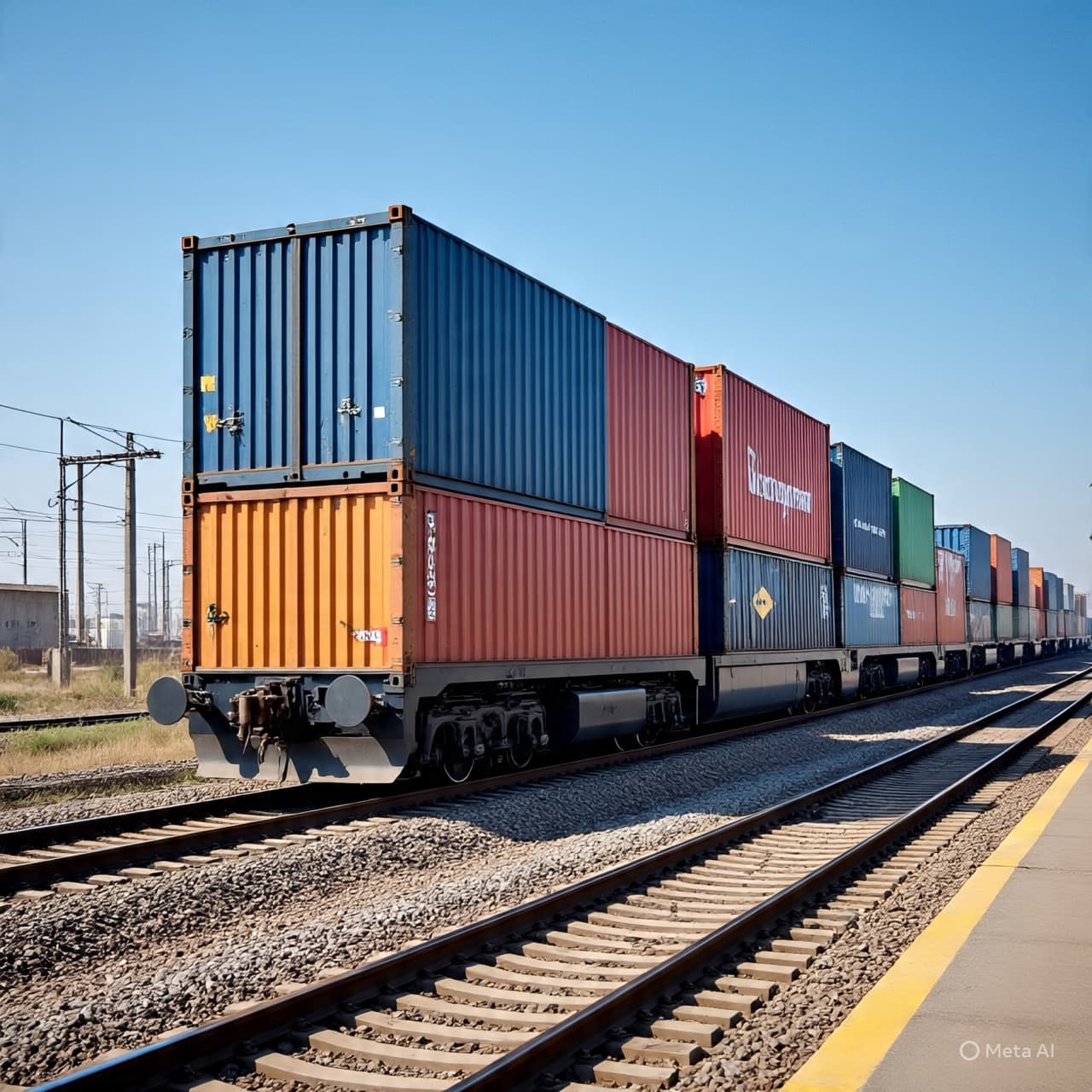
[The Electric Standard Gauge Railway] The electric SGR line is emerging as one of East Africa's most ambitious infrastructure projects. By introducing containerized freight services powered by electricity, Tanzania is not just expanding its operational capabilities; it is also making a statement about its dedication to efficiency and environmental sustainability. The shift from diesel to electric traction is particularly noteworthy in a region where diesel-powered systems have long been the norm. Electric locomotives promise quieter operations and significantly lower emissions, aligning with global trends toward cleaner transportation.
[Economic Implications] The practical implications of this transition are substantial. The introduction of container transport by rail is expected to expedite the movement of goods between Dar es Salaam and inland destinations, alleviating congestion on highways and reducing logistics costs. For landlocked countries such as Rwanda, Burundi, and parts of the Democratic Republic of Congo, enhanced rail connectivity could lead to smoother trade corridors and more reliable supply chains. This development is crucial for fostering economic growth in these regions, where efficient transport is vital for trade and commerce.
[Regional Context] Tanzania's electric freight services are part of a broader trend in East Africa, where significant investments in railway infrastructure have been made over the past decade. Projects like Kenya's SGR and Ethiopia's electric rail connection to Djibouti illustrate a regional commitment to modernizing transport networks. Tanzania's initiative adds another layer to this evolving landscape, contributing to a more interconnected East African economy. Each of these projects, while complex and financially demanding, reflects a collective effort to explore new pathways toward modernization and economic integration.
[Challenges Ahead] However, the success of Tanzania's electric freight services will depend on several factors, including effective management, a consistent power supply, and ongoing collaboration between port authorities and railway operators. Infrastructure development is not solely about physical assets; it also involves building trust among stakeholders regarding timelines, maintenance, and the economic returns that justify such investments. The rollout of container services will require sustained commitment and coordination to realize its full potential.
[Conclusion] As Tanzania embarks on this journey of electrified freight transport, it carries with it not only goods but also the hopes of a nation striving for progress. The electric trains symbolize a commitment to cleaner transport solutions that can coexist with economic growth. In a region where infrastructure development is crucial for trade and commerce, Tanzania's initiative may serve as a beacon of sustainable progress, demonstrating that advancements can be achieved quietly yet effectively.
Published by Banx Network. This article is part of the Banx decentralized media programme, powered by the BXE token on the XRP Ledger.




