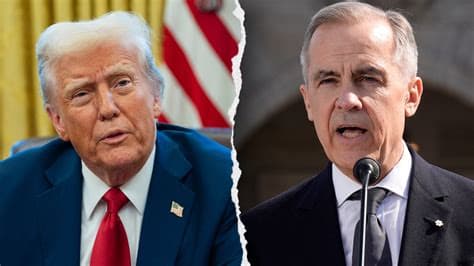
In the theater of politics, questions of statecraft and policy usually take center stage. Yet, sometimes, the spotlight shifts to the universal language of sport, bridging divides and offering a moment of shared humanity. During Prime Minister Keir Starmer’s final parliamentary grilling of the session, the upcoming match between England and Argentina dominated the discourse. This unexpected focus is not a trivial distraction; it is a reflection of how sports weave themselves into the fabric of national identity and diplomatic relations. It invites reflection on the power of play to soften political edges and connect leaders with the public sentiment.
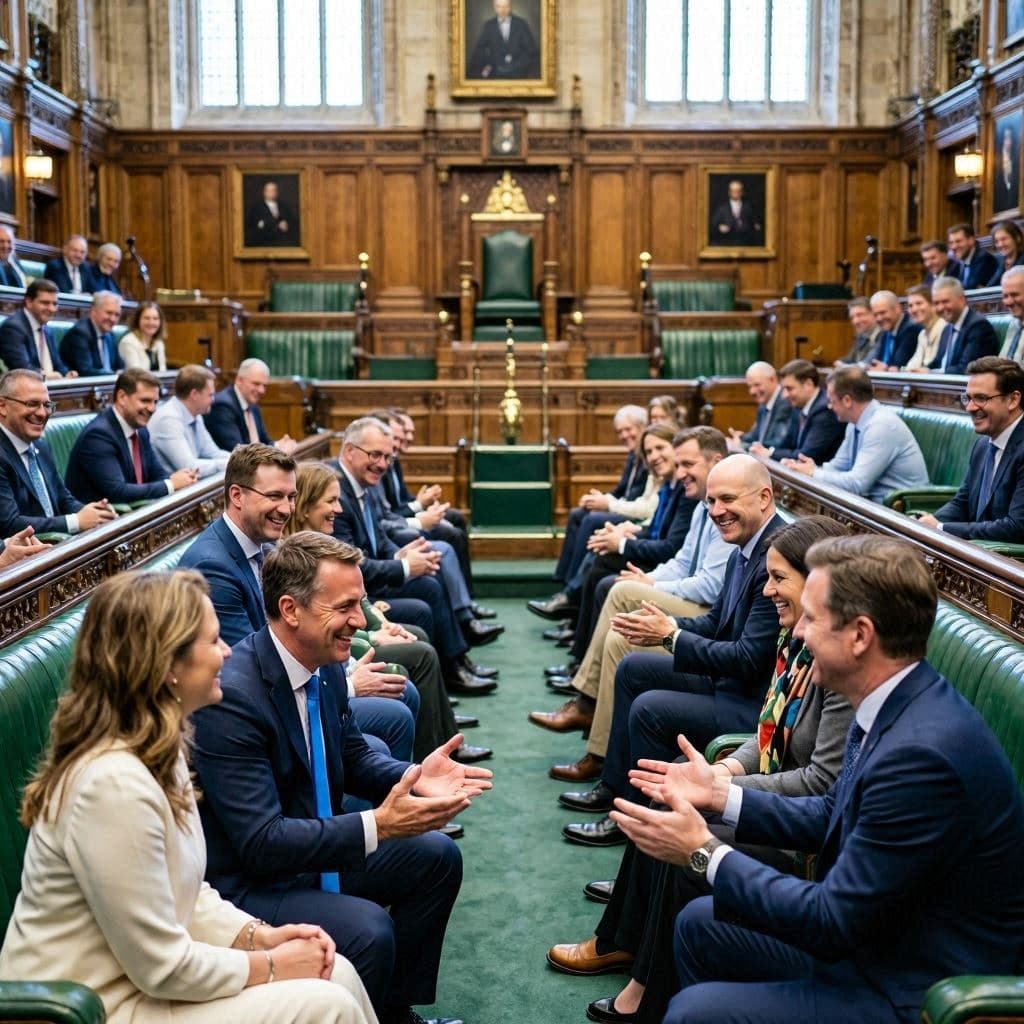
Body: The exchange began with routine inquiries but quickly turned to the anticipated football match. MPs from across the aisle joined in, sharing predictions and banter, creating a rare moment of bipartisan camaraderie. For Starmer, engaging in this dialogue allowed him to connect with constituents on a personal level, showcasing a side of leadership that is relatable and grounded. It humanized the office, reminding everyone that behind the policies are people who share common passions.
The choice of Argentina as the opponent adds historical depth to the conversation. Past matches between the two nations have been charged with emotion and rivalry, echoing broader geopolitical tensions. Discussing the game allows for a subtle exploration of international relations, wrapped in the neutral guise of sport. It is a diplomatic dance, where competition is celebrated rather than condemned.
Public interest in the match is high, with fans eager to see their teams compete on the global stage. The prime minister’s acknowledgment of this interest validates the cultural significance of football in Britain. It shows that leaders are attuned to the rhythms of daily life, not just the corridors of power. This alignment builds trust and rapport with the electorate.
Media coverage of the parliamentary session highlighted the lighter tone, contrasting it with the usual seriousness of political debate. Analysts noted that such moments can relieve tension and foster a more positive political climate. While substantive issues remain critical, the ability to share a laugh or a cheer is valuable for democratic health. It reminds us that politics is also about community.
For the players, the attention from the highest levels of government adds pressure but also pride. Knowing that their performance is watched by national leaders can be a motivator. It elevates the sport beyond entertainment, making it a symbol of national effort and excellence. The athletes become ambassadors, representing their country with skill and spirit.
International reactions to the discussion have been mixed, with some viewing it as a welcome break from serious news and others questioning the timing. However, the overall sentiment has been positive, appreciating the glimpse of normalcy. In a world often divided by conflict, sports offer a platform for unity and friendly competition. It is a reminder of our shared humanity.
As the match approaches, the political rhetoric may fade, but the anticipation remains. The outcome on the field will be decided by talent and teamwork, not policy. Yet, the conversation in parliament has already scored a point for connection. It shows that even in the highest offices, there is room for the simple joys of life.
Closing: In the end, the dominance of the England-Argentina match in parliament is a testament to the unifying power of sport. It highlights the importance of balancing duty with humanity. As we look forward to the game, the hope is that it brings joy and pride, reminding us of what we share beyond our differences.
AI Image Disclaimer: Visuals accompanying this text are AI-generated conceptualizations intended to depict the themes of politics and sportsmanship.
Sources: BBC News The Guardian Sky News
Published by Banx Network. This article is part of the Banx decentralized media programme, powered by the BXE token on the XRP Ledger.