Train stations are places of passing. They hold footsteps, brief glances, the echo of announcements dissolving into distance. Over time, some platforms fall quiet, their purpose fading like the ink on old timetables. Yet occasionally, a building once designed for departure is invited to stay—reimagined, reinterpreted, and given a second life.
In South Yarra, Melbourne, the old train station has entered such a chapter. The heritage structure is being transformed through a collaboration between Godby Hotel and Nightbird, reshaping the historic site into a hospitality destination that blends preservation with reinvention. The project reflects a broader movement in urban design: honoring architectural memory while responding to contemporary city rhythms.
The station, long embedded in the character of South Yarra, carries the imprint of Melbourne’s rail history. Rather than replacing the structure, developers have chosen adaptive reuse—retaining key architectural elements while integrating modern hospitality design. The approach respects the building’s original identity while inviting new forms of gathering within its walls.
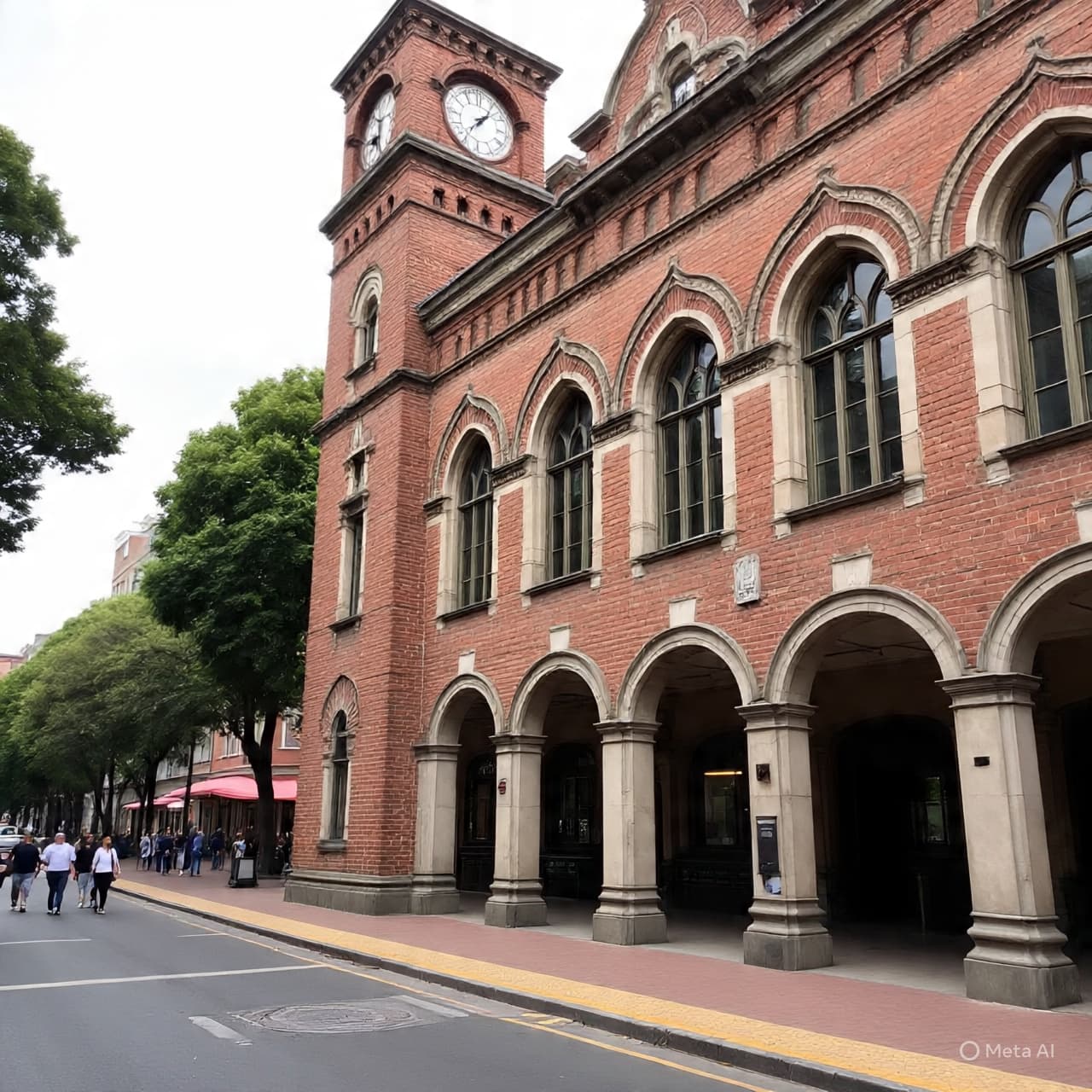
Godby Hotel, known for boutique hospitality concepts, and Nightbird, recognized for its creative venue direction, have positioned the project as both a hotel and social space. Plans indicate a mix of guest accommodations, dining areas, and event spaces designed to activate the site throughout the day and into the evening. The design seeks to preserve heritage features such as brickwork, arches, and platform-adjacent structures, weaving them into contemporary interiors.
Urban redevelopment projects of this nature often balance competing priorities. Heritage advocates emphasize the importance of conservation, while developers focus on functionality and economic viability. In South Yarra, the project appears to aim for a middle ground—one where the architectural story remains visible even as the building adopts a new purpose.
Adaptive reuse has become an increasingly common strategy in cities like Melbourne, where historic infrastructure meets rising demand for residential and commercial space. Former warehouses, factories, and transport hubs have found renewed relevance as hotels, galleries, and mixed-use developments. The South Yarra transformation aligns with that pattern, signaling confidence in both preservation and progress.
Community response has reflected curiosity as much as nostalgia. For longtime residents, the station carries personal memories—commutes, farewells, arrivals. Its evolution into a hospitality venue introduces a different tempo, shifting from transit to pause. Where trains once marked movement, guests may now linger.
Details regarding opening timelines and final design elements are expected to be announced as construction progresses. Project representatives have indicated that heritage compliance remains central to the redevelopment process, working within local planning frameworks.
In its next chapter, the old station will no longer measure time by departures. Instead, it may measure it by stays, by shared meals, by evenings that stretch gently past the hour of the last train. For South Yarra, the transformation represents both continuity and change—an echo of the past reshaped for the present.
Officials involved in the project confirm that redevelopment is underway, with phased updates to follow as restoration and interior construction advance
AI Image Disclaimer Visuals are created with AI tools and are not real photographs.
Sources The Age Herald Sun Broadsheet Melbourne ArchitectureAU Domain
Published by Banx Network. This article is part of the Banx decentralized media programme, powered by the BXE token on the XRP Ledger.