
Key Highlights
- Transitioning Fare System:NYC's MetroCard is being phased out in favor of contactless payments.
- Generational Shift:Younger commuters increasingly prefer digital payment methods.
- Inclusivity Concerns:Seniors and those without digital access still rely on MetroCards.
The familiar swipe of a yellow MetroCard once defined the rhythm of New York City transit. For decades, it marked the beginning and end of countless commutes, school days, night shifts, and late-night returns home. Now, as the Metropolitan Transportation Authority (MTA) formally moves toward retiring the card, the transition feels less like a dramatic ending and more like an acknowledgment of a change that has already happened.
For many riders, the MetroCard faded quietly from daily life years ago. Tap-to-pay systems, smartphones, and contactless bank cards have steadily replaced the ritual of swiping, aligning New York with transit systems in cities that embraced digital fare collection earlier. OMNY, the contactless system now taking center stage, has become the default for a growing majority of riders, especially younger commuters and tourists. The MTA reported that as of late 2023, over 60% of subway riders are using OMNY for their fare payments, highlighting a significant shift in user behavior.
This shift reflects more than a technological upgrade; it marks a generational change in how New Yorkers move through the city. The MetroCard once symbolized modernity when it replaced tokens in the 1990s. Today, it feels almost nostalgic — a plastic relic of an era when physical cards defined access and movement. The MTA's decision to phase out the MetroCard is not just about efficiency; it is also about embracing a future where digital solutions are the norm.
However, the transition has not been seamless for everyone. Some riders, particularly seniors and those without access to digital payment tools, continue to rely on the familiar card. Transit officials have acknowledged the need for a gradual phase-out, balancing efficiency with inclusivity as the city modernizes its infrastructure. The MTA has committed to ensuring that all riders have access to fare payment options that suit their needs, including maintaining a limited number of MetroCard vending machines in key locations.
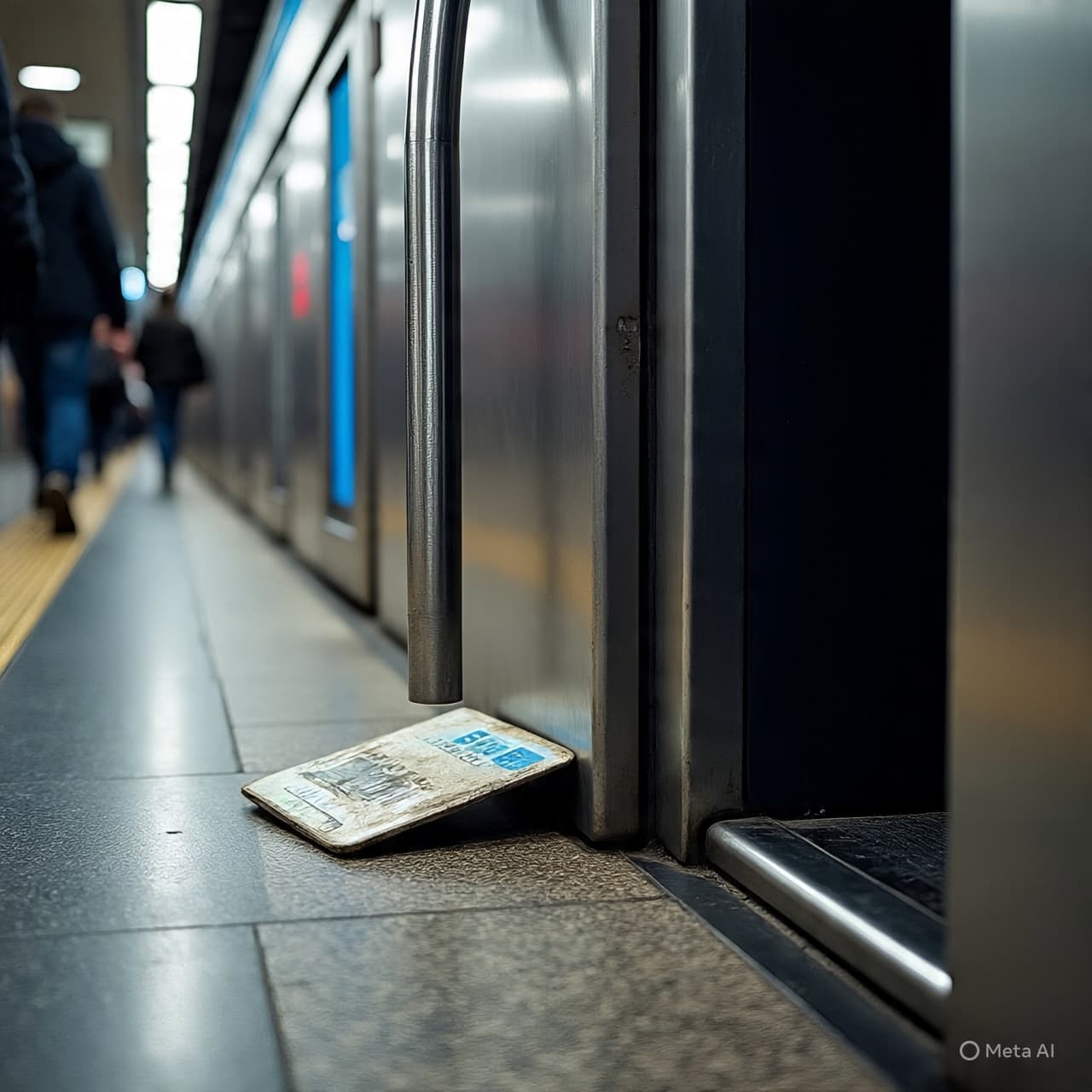
As the MetroCard approaches its quiet exit, it leaves behind a legacy woven into daily life — bent cards, demagnetized stripes, and the practiced swipe learned through trial and error. The future of New York transit may be contactless, but its past remains imprinted in every turnstile click the city once knew by heart. The MTA's transition to OMNY is not just a technological shift; it is a reflection of changing societal norms and the ongoing evolution of urban mobility.
In conclusion, as New York City embraces this new era of transit technology, it is essential to remember the role that the MetroCard played in shaping the commuting experience for millions. The farewell to the MetroCard is not merely about losing a payment method; it is about acknowledging the history and the memories that come with it, as the city moves forward into a new chapter of public transportation.
Published by Banx Network. This article is part of the Banx decentralized media programme, powered by the BXE token on the XRP Ledger.



