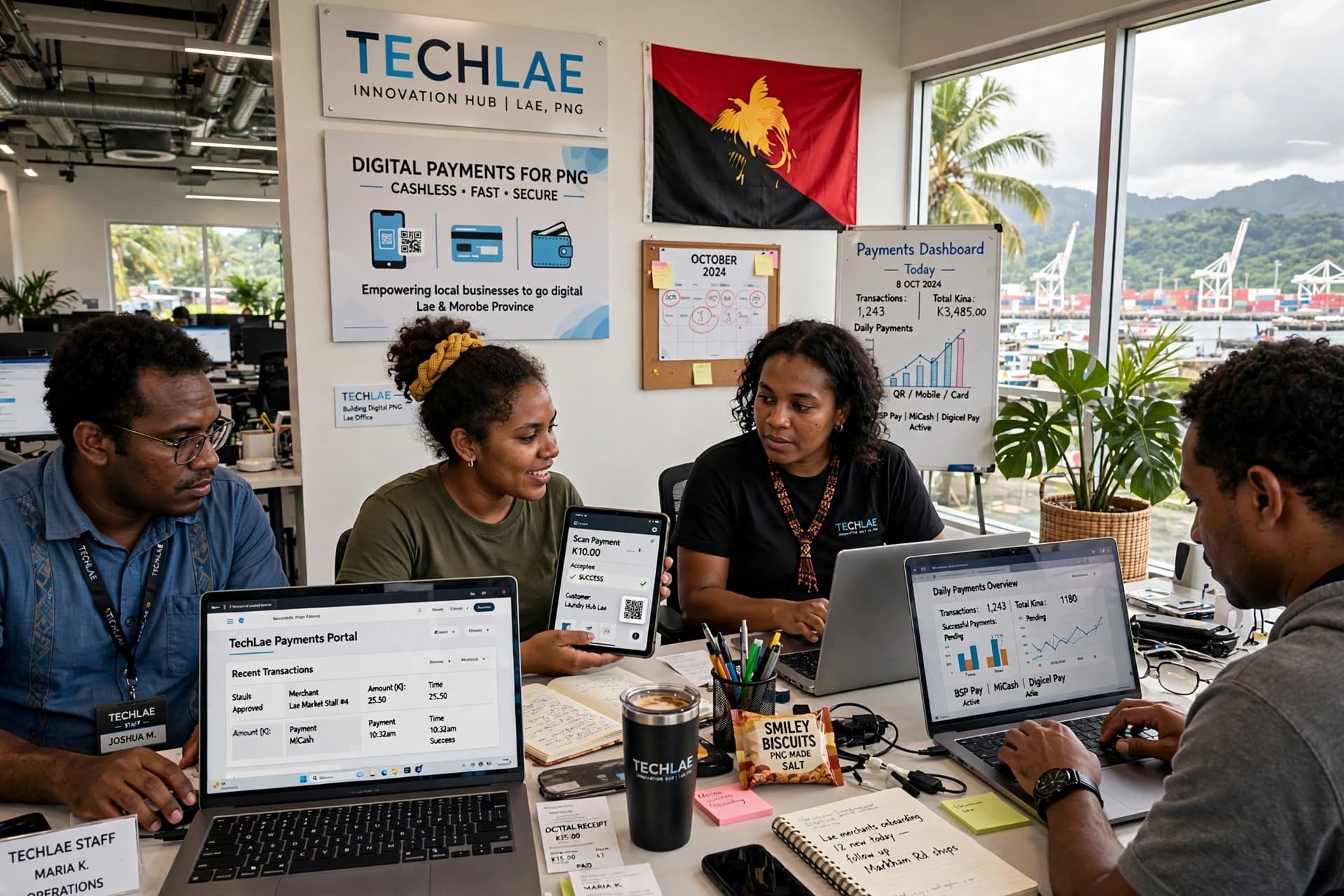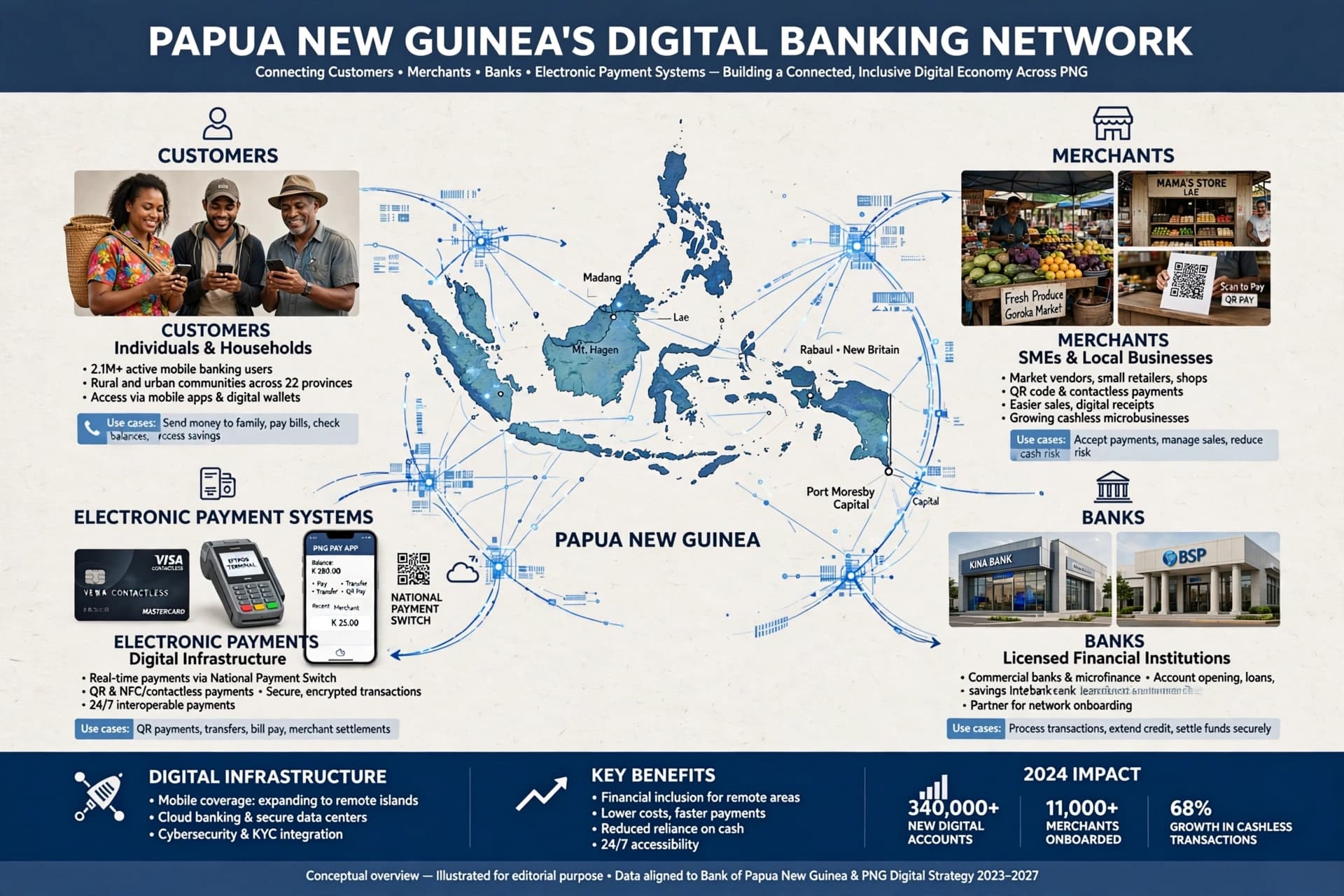
Money changes quietly when technology changes around it. A card placed against a payment terminal, a transaction completed through a digital network, or a balance checked without visiting a branch can gradually reshape how people interact with financial services.
In Papua New Guinea, the banking system is moving toward wider access to digital Kundu Card services. The development forms part of a broader effort to expand electronic payments and make financial transactions more accessible beyond traditional banking channels.
The Kundu Card has become part of Papua New Guinea’s growing electronic-payment ecosystem, providing customers with another way to make purchases and access financial services. Its expansion comes as banks and payment providers respond to changing consumer habits and growing interest in digital transactions.
For a country with a widely dispersed population, digital financial services can have particular significance. Physical bank branches and ATMs are not equally available in every community, while transportation costs and geographical barriers can make conventional banking inconvenient.
Digital cards and electronic payment systems can reduce some of those barriers. They allow transactions to move through existing payment networks without requiring customers to handle cash for every purchase.
The transition, however, depends on more than the existence of a card. Customers need reliable payment infrastructure, merchants need compatible terminals, and financial institutions need systems capable of processing transactions securely and consistently.
Digital financial access also raises questions about financial literacy. As more transactions move electronically, customers need to understand account security, transaction records, fees, and the risks associated with sharing financial credentials.
For businesses, wider electronic payment adoption can also change daily operations. Retailers and service providers can receive payments digitally, maintain clearer transaction records, and potentially reduce some of the costs and risks associated with handling large amounts of cash.
The broader movement toward digital banking reflects a gradual change in Papua New Guinea’s financial landscape. It does not mean physical banking will disappear, particularly in communities where connectivity remains limited. Instead, digital services are becoming another layer through which customers and businesses can interact with the financial system.
In the end, the importance of a digital card is measured less by the technology itself than by what it makes possible. When payment systems reach more people, the distance between a customer, a merchant, and a financial institution can become smaller. Papua New Guinea’s expanding Kundu Card services are part of that continuing shift from cash-based transactions toward a more connected financial economy.
SEO SLUG
papua-new-guinea-kundu-card-digital-banking-services
HASHTAGS
#PapuaNewGuinea #KunduCard #DigitalBanking #Fintech #DigitalPayments #Banking #FinancialInclusion #Technology
IMAGE DISCLAIMER
This AI-generated image is an editorial illustration and does not depict an actual bank customer, transaction, financial institution, or Kundu Card user.
SOURCES
PNG Facts Bank of South Pacific Bank of Papua New Guinea
Published by Banx Network. This article is part of the Banx decentralized media programme, powered by the BXE token on the XRP Ledger.