

Key Highlights
- Beef prices have risen significantly due to reduced cattle inventories.
- Prolonged drought conditions have forced ranchers to cut back herds.
- Demand for beef remains steady despite rising costs.
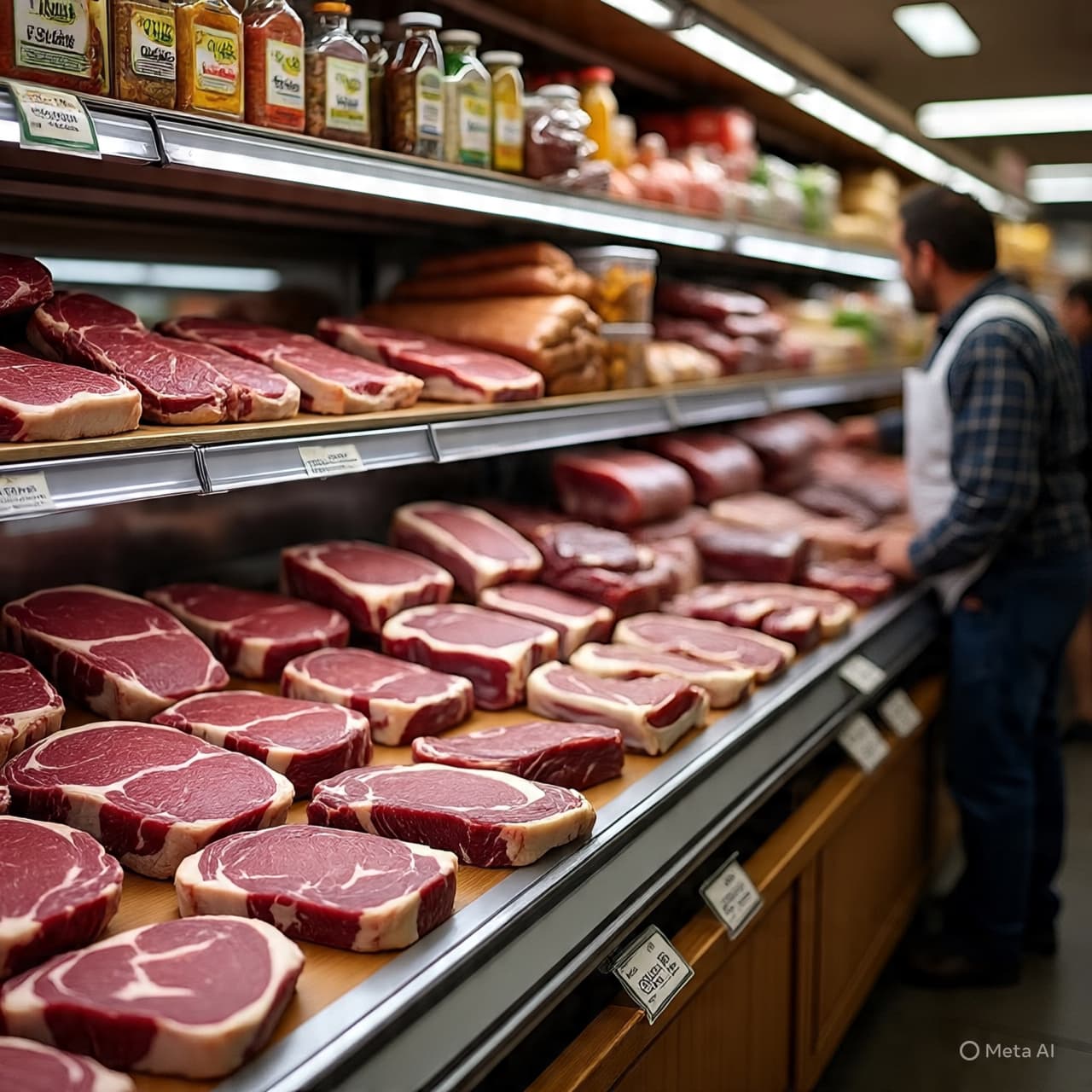
Beef prices have seen a notable increase in recent months, driven by a combination of factors that have tightened supply while demand remains relatively stable. For consumers, this shift is most evident at the grocery store, where the price of beef has become a point of concern. Understanding the underlying causes of these price changes reveals a complex interplay of agricultural practices, environmental conditions, and market dynamics.
A significant factor contributing to the rise in beef prices is the reduction in cattle inventories across major producing regions. Prolonged drought conditions have severely impacted grazing resources, prompting ranchers to reduce their herds. This decision, often made out of necessity, is not easily reversible. Rebuilding cattle populations requires favorable weather conditions and substantial investment, which can take time to materialize.
Despite the rising costs, demand for beef has remained surprisingly resilient. Consumption patterns have not shifted dramatically, supported by steady economic activity and cultural preferences for beef products. This balance between tight supply and consistent demand has created sustained upward pressure on prices, making it challenging for consumers to adjust to the new normal.
However, there are early signs that the cycle of rising prices may begin to ease. Analysts have noted improvements in weather conditions in certain regions, which could facilitate gradual herd rebuilding. Additionally, feed costs, a critical component of cattle production, have shown signs of stabilizing. These developments could eventually lead to an expanded supply of beef, although the effects are likely to be gradual rather than immediate.
The global nature of the beef market further complicates the pricing landscape. Trade flows, currency fluctuations, and regional production trends all play a role in influencing beef prices. Events in one part of the world can have ripple effects, impacting availability and costs elsewhere. This interconnectedness means that consumers may not always be aware of the broader factors at play in their local markets.
For retailers and suppliers, navigating the current pricing environment requires careful strategy. Businesses must balance affordability with operational realities, making informed decisions about pricing, inventory management, and sourcing. For consumers, adapting to these changes may involve exploring alternatives or adjusting purchasing habits to accommodate higher costs.
Despite the challenges, there is a sense of cautious optimism among producers. The agricultural cycles, while often slow to respond, tend to move toward equilibrium over time. The same factors that have tightened supply may eventually lead to a loosening of constraints, allowing prices to stabilize.
As the months progress, industry observers will be closely monitoring for signs of change. While beef prices remain elevated for now, the early indicators of stabilization suggest that a shift may be on the horizon—subtle yet significant, shaped by the same forces that have influenced the market thus far.
In conclusion, while beef prices reflect a period of constraint, improving conditions and cautious optimism among producers indicate that the path toward easing costs may be gradually taking shape.
Published by Banx Network. This article is part of the Banx decentralized media programme, powered by the BXE token on the XRP Ledger.




