At departure gates in Toronto and Montreal, the screens flicker with destinations that now feel farther than their measured miles. Doha. Dubai. Tel Aviv. Amman. The routes remain etched in blue and white on airport monitors, but beneath them runs a quieter calculation—distance not only in geography, but in uncertainty. As tensions around Iran widen and the region braces for possible escalation, a different map emerges: one of families, passports, and return tickets held in pause.
Global Affairs Canada has said that roughly 85,000 Canadians are currently in the Middle East, a figure that includes dual nationals, long-term residents, aid workers, business travelers, and tourists. The number is not unusual for a region that links continents and economies, but in moments of strain it acquires new gravity. Each digit becomes a household, a set of calls placed late at night, a contingency plan drafted in careful language.
The widening conflict involving Iran has prompted Ottawa to update travel advisories and review consular capacity. In Ottawa’s limestone offices, officials at Global Affairs Canada have emphasized that they are monitoring developments closely, coordinating with partners, and urging Canadians to register with the Registration of Canadians Abroad service. Such notices are procedural, almost routine, yet their tone carries the quiet urgency of preparation.
Across the region, the landscape is varied and vast. In the Gulf states, expatriate communities form familiar neighborhoods of cafés and schools. In Israel and the West Bank, pilgrimage sites and research institutes draw visitors and scholars. In Jordan and Lebanon, humanitarian missions continue their work near fault lines that are both political and geographic. Airspace restrictions, rerouted flights, and shifting security postures ripple outward, subtle at first, then increasingly visible on departure boards.
Canadian officials have not ordered a mass evacuation, but they have cautioned that consular assistance can be limited during active conflict. The memory of past crises—whether during the Arab Spring, the 2006 Lebanon war, or the early months of the pandemic—lingers in institutional memory. Evacuations, when they occur, are logistically complex and dependent on cooperation from host governments and secure corridors.
For families in Canada, the news arrives in fragments. A text message confirming safe arrival. A forwarded advisory. A social media post hinting at curfews or protests. Time zones stretch conversations thin. In Calgary and Mississauga, in Halifax and Vancouver, living rooms glow with international news broadcasts, maps shaded in red and amber. The region’s tensions feel both distant and immediate.
Meanwhile, the geopolitical frame continues to shift. Iran’s role in regional alliances and rivalries has long been a central axis in Middle Eastern politics. Any sustained escalation carries implications for shipping lanes in the Persian Gulf, energy markets, and neighboring states. Canadian officials have reiterated calls for de-escalation, aligning with broader international appeals to prevent a wider war.
Within the 85,000 are varied stories: engineers on long-term contracts in Doha, students in Tel Aviv, humanitarian workers in Amman, retirees visiting relatives in Beirut. Some have chosen to remain, assessing local conditions as stable. Others have advanced their return flights, wary of airspace closures or sudden policy changes. Airlines adjust routes; insurers update clauses; embassies extend hotline hours.
Ottawa’s message has been measured: remain vigilant, follow local authorities, ensure travel documents are current. The government has also noted that dual nationals may face particular constraints, depending on local laws and exit requirements. Such details, technical and easily overlooked in calmer times, become essential when uncertainty gathers.
As dusk settles over Parliament Hill, the Peace Tower clock continues its steady count. Policy briefings conclude, advisories are refreshed, and diplomatic cables move quietly between capitals. In the Middle East, night falls across deserts and coastlines, over cities luminous with traffic and prayer calls. Life continues in markets and offices, in homes where suitcases remain unpacked, just in case.
Eighty-five thousand is a statistic, but it is also a chorus of individual decisions—whether to stay, to wait, or to leave. The days ahead may clarify the trajectory of the conflict or deepen its ambiguity. For now, Canada watches, its gaze split between global strategy and the intimate concern of citizens abroad.
In that space between map and memory, between embassy notice and family call, the measure of distance becomes something more than miles. It becomes the fragile thread that connects home to horizon, stretched but unbroken, as events unfold.
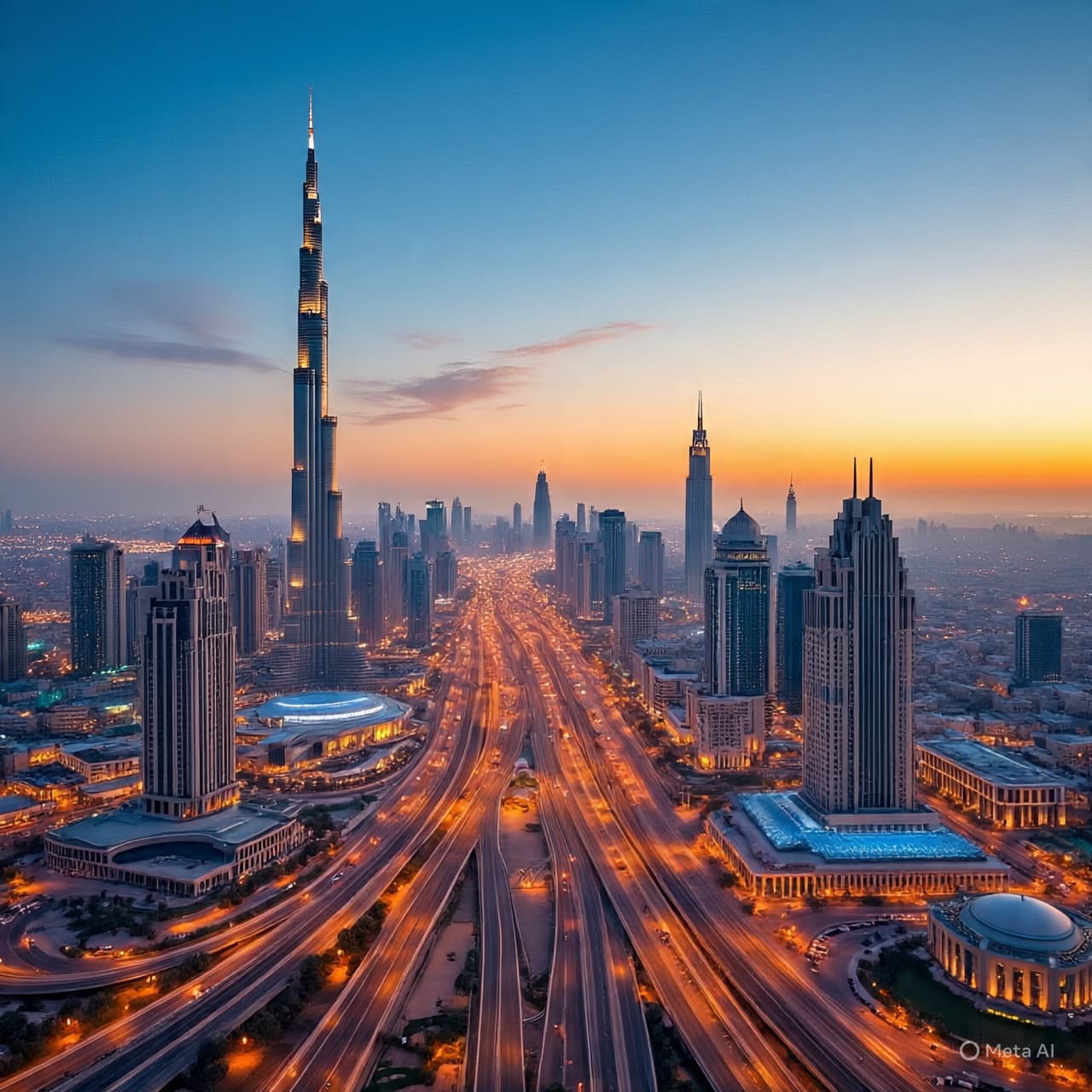
AI Image Disclaimer Visuals are AI-generated and serve as conceptual representations.
Sources Global Affairs Canada CBC News Reuters The Canadian Press BBC News
Published by Banx Network. This article is part of the Banx decentralized media programme, powered by the BXE token on the XRP Ledger.