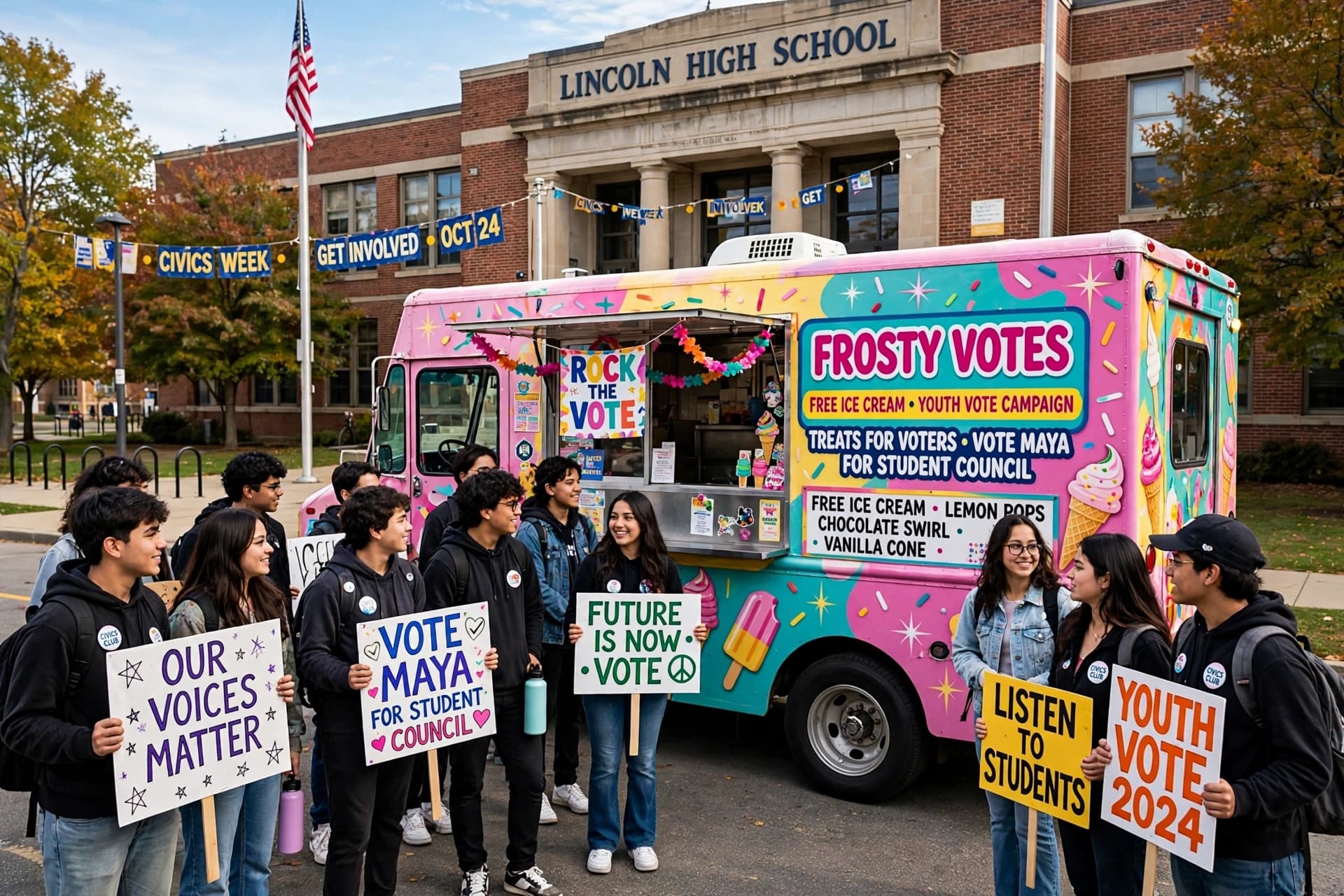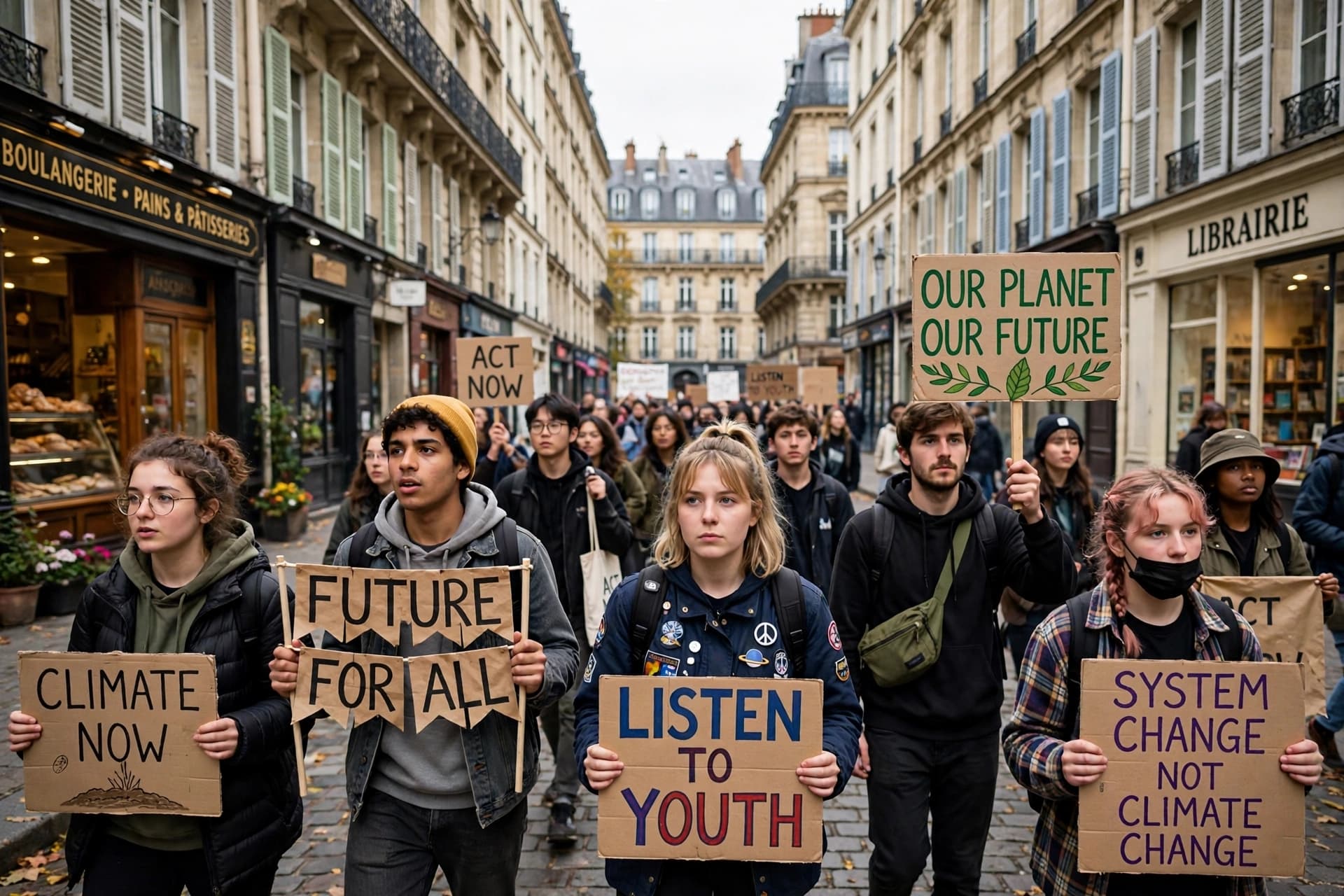
There is a particular kind of anger that arrives not with shouting but with exhaustion—the anger of people who have done everything asked of them and found the door still closed. Across Europe, a generation is discovering that the promises made to them were conditional, and the conditions have not been met. From the suburbs of Paris to the squares of Belgrade, from Rome's occupied schools to tent camps in Madrid, young people have taken to the streets in numbers that have surprised the governments they are protesting, demanding action on housing, education, and the cost of living . What began as scattered demonstrations has become something larger, a wave that shows no sign of receding.
The grievances are specific, and they overlap. In France, high school students began protesting in September over crumbling buildings, teacher shortages, and a university admissions system they see as unfair. Labor unions and others joined, and the demonstrations grew into a broader challenge to President Emmanuel Macron's leadership . In Italy, students occupied schools to protest dilapidated facilities and underfunded education. In Spain, protesters camped in Madrid's Puerta del Sol to demand relief from soaring rents. In Portugal, thousands converged in Lisbon over the housing crisis . The issues differ in emphasis, but the underlying complaint is consistent: the systems meant to serve young people are failing them, and no one in power seems to be listening.
The numbers behind that complaint are stark. A European Union survey published in 2025 found that rising prices and the cost of living were a concern for 40 percent of people aged 16 to 30. Among the 92.7 million EU residents facing the risk of poverty or social exclusion in 2025, the highest risk was recorded for young adults aged 18 to 24, at 26.3 percent . In France, people over 60 make up a quarter of the population but own 60 percent of the country's wealth, according to the OFCE think tank. Pension spending is on track to reach 14 percent of economic output, while education spending has declined . The arithmetic of generational transfer, the protesters argue, has become a subtraction from their future.
The protests have not been uniformly peaceful. In France, authorities reported more than 560 arrests in a single weekend in late October, with clashes between small groups and police in Paris and other cities. About 70,000 police and gendarmes were deployed, and marches were rerouted to protect commercial districts . In Italy, nine people were arrested and 371 briefly detained, including 110 minors, after some protesters briefly broke into the Colosseum in Rome . In Germany, rioters in Frankfurt smashed storefronts and threw Molotov cocktails at police, while in Cologne and Hamburg police used water cannons to disperse crowds . These incidents have complicated the movement's image, though organizers emphasize that the vast majority of participants have been peaceful.
What has given the wave its momentum is not only anger but connection. Protesters across countries are sharing tactics, slogans, and symbols. The Jolly Roger pirate flag has become a common sight. A slogan borrowed from The Hunger Games—"If we burn, you burn with us"—appears on signs in Brussels and beyond . In Belgrade, nearly two years of student-led demonstrations against corruption and creeping authoritarianism culminated in the parliamentary defeat of President Aleksandar Vučić, a result that protesters elsewhere have cited as proof that persistence can produce change . "We finally moved from protests to responsibility," said one Serbian student .
The response from governments has been mixed. France imposed partial curfews and rerouted marches. Italy deployed soldiers in Milan and approved tough security measures. Some leaders have dismissed the protesters as unruly or manipulated. But the underlying conditions that brought them into the streets have not changed, and the demographic pressure will only grow. Young people are a shrinking minority in aging societies, which means their electoral weight is diminishing even as their grievances become more acute . The protests are, in part, an attempt to be heard by a system that has less and less incentive to listen.
There is no clear resolution on the horizon, and the protesters themselves do not speak with one voice. Some demand specific policy changes; others express a broader alienation from politics itself. What unites them is a refusal to accept that the way things are is the way they must be. The wave may crest and recede, as waves do. But the conditions that produced it—the gap between what young Europeans were promised and what they have received—will remain. And as long as that gap persists, the streets will remain a place where the unheard go to be seen.
Image Disclaimer: The image with this article was created using AI generation tools and does not depict actual protests or individuals.
Sources: Australian Broadcasting Corporation, The Jerusalem Post, The Telegraph India, Bangladesh Sangbad Sangstha, The New York Times (via ABC)
Published by Banx Network. This article is part of the Banx decentralized media programme, powered by the BXE token on the XRP Ledger.