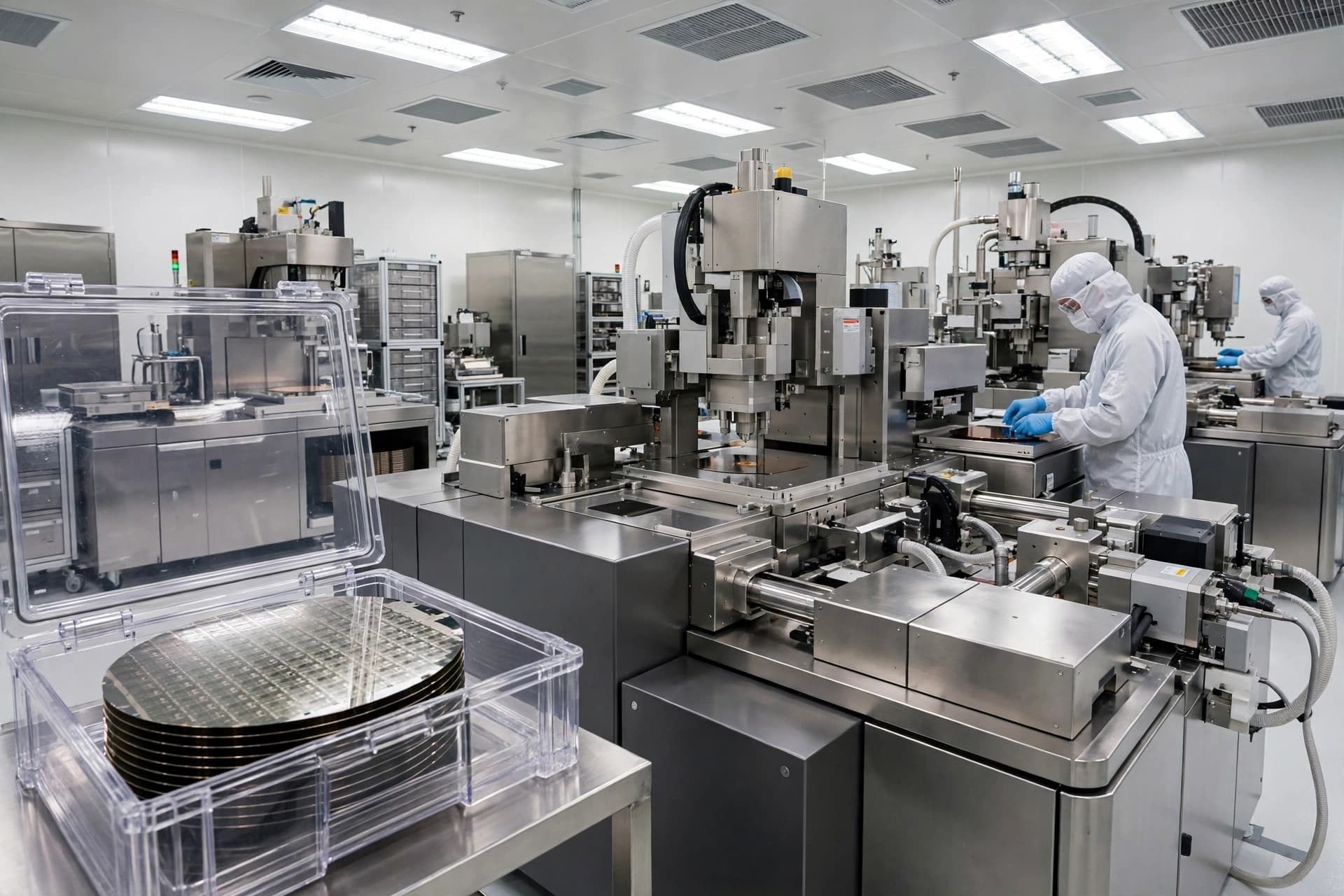
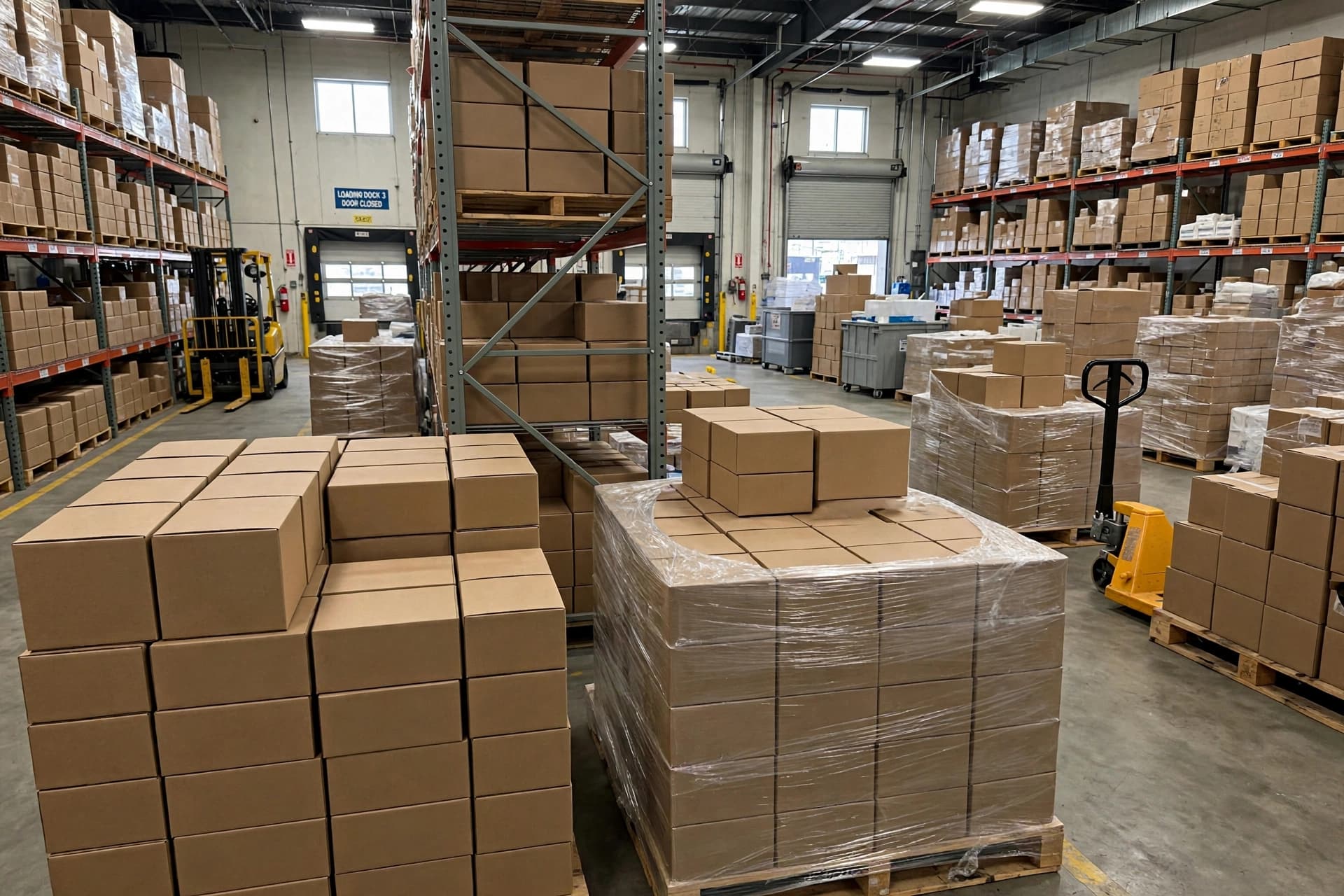
At the edge of many cities, beyond office parks and fading billboards, warehouses wake before dawn. Their lights flick on in long rows, illuminating aisles that stretch farther than the eye expects. The air carries a steady hum now—less the shuffle of boots, more the whir of motors—suggesting that something fundamental has shifted in these quiet backbones of commerce.
Packaging and logistics companies, long defined by scale and speed, are increasingly turning to automation to keep pace with a world that expects deliveries to feel almost instantaneous. Inside these buildings, robots glide across polished floors, lifting shelves, sorting parcels, and handing tasks from one machine to another with practiced ease. What once depended on human reach and memory is now guided by sensors, software, and choreography written in code.
The change has been gradual but unmistakable. Firms such as Amazon helped normalize the sight of autonomous robots ferrying goods through fulfillment centers, compressing the distance between order and shipment. Others followed, adopting automated storage systems, robotic picking arms, and conveyor networks that adapt in real time to shifting demand. The goal is less spectacle than resilience: fewer bottlenecks, fewer pauses, and a system that can stretch during peak seasons without breaking.
Automation has also crept into packaging itself. Machines now measure boxes to fit each item precisely, reducing wasted space and cutting down on filler materials. The result is a quieter efficiency—packages that travel lighter, trucks that carry more, and warehouses that learn from every movement they make. For companies balancing rising labor costs and chronic worker shortages, the appeal is practical rather than futuristic.
Yet the human presence has not vanished. Instead, it has moved to the margins and the control rooms. Workers oversee fleets of machines, troubleshoot errors, and manage flows that are increasingly abstract. Training shifts from lifting to monitoring, from repetition to intervention. The warehouse becomes less a place of brute effort and more a landscape of attention, where judgment still matters, even if muscles matter less.
As dusk settles and orders continue to stream in, the automated warehouse does not slow. It adjusts. Algorithms reroute packages, robots recharge themselves, and the system prepares for another surge. The broader consequence is subtle but enduring: logistics, once invisible until it failed, is becoming smoother, quieter, and more self-directed.
In the end, automation in warehouses is not about replacing motion, but refining it. Boxes still move from shelf to truck, from city to doorstep. What has changed is the rhythm—steadier, more precise, and increasingly guided by machines that work through the night, shaping how the modern economy breathes.
AI Image Disclaimer Illustrations were created using AI tools and are not real photographs.
Sources Reuters; Bloomberg; The Wall Street Journal; Financial Times
Published by Banx Network. This article is part of the Banx decentralized media programme, powered by the BXE token on the XRP Ledger.