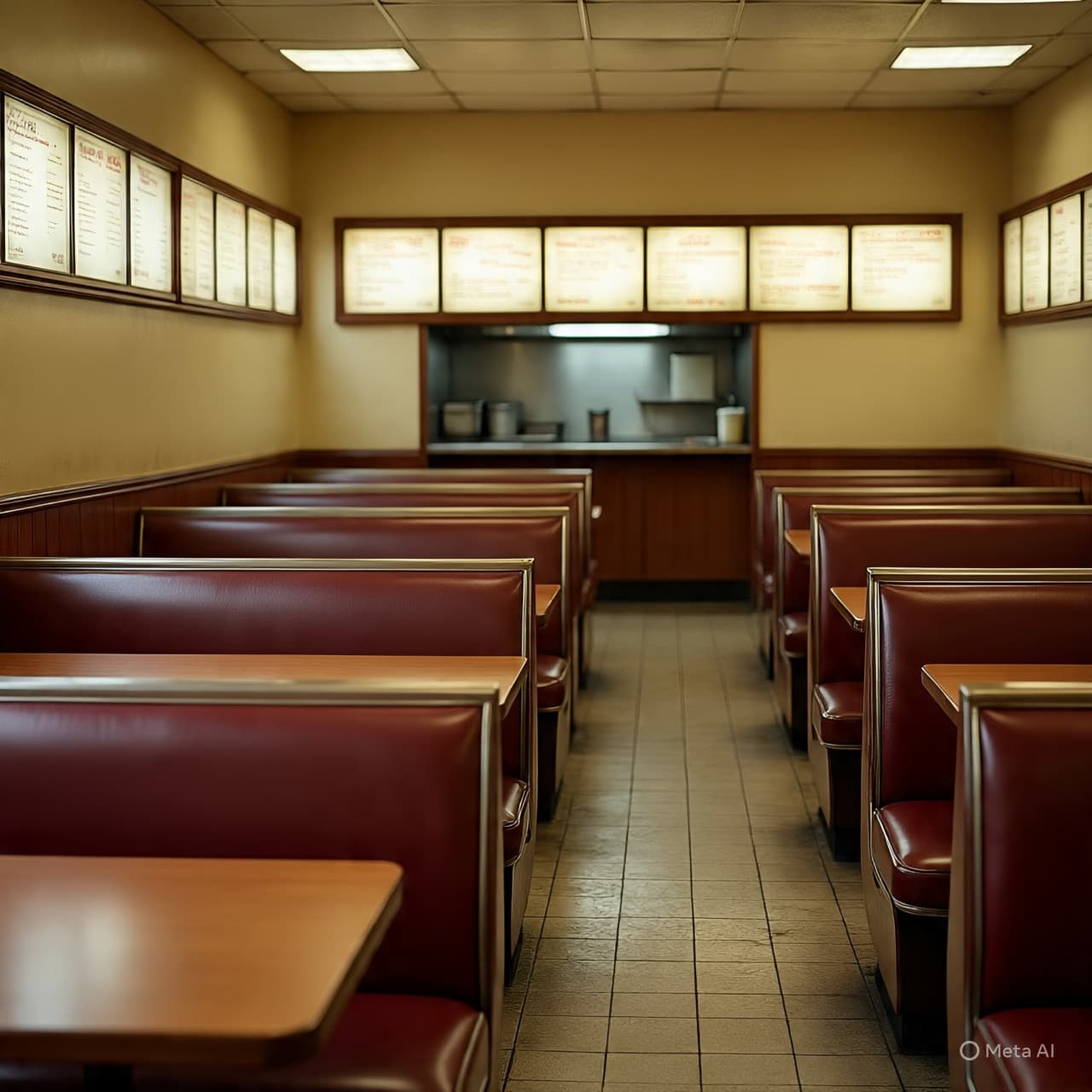
In the warm dusk when the glow of signage once promised the familiar comfort of flame‑grilled patties and salted fries, there now lingers a quieter light. The hum of kitchen equipment and the shuffle of late‑night visitors have faded at several restaurants that for years stood as familiar stops on American roads and neighborhood corners. In recent announcements, one of McDonald’s chief competitors in the quick‑service burger world has begun to shutter a significant number of its outlets, a move that touches not only investors’ ledgers but the everyday patterns of those who once stepped through those doors.
Wendy’s, the iconic fast‑food chain recognized by its square burgers and Frosty desserts, has confirmed that it plans to close a substantial portion of its U.S. locations — roughly five to six percent of the total — amid a challenging business environment for the brand. The company’s latest earnings figures reveal that comparable sales in the U.S. declined over recent quarters, prompting leadership to rethink the footprint of restaurants that are underperforming relative to targets. While Wendy’s still operates thousands of outlets nationwide, the closures reflect a broader strategy to concentrate resources on sites with the greatest promise of profitability and to adjust to changing consumer behavior in an increasingly competitive marketplace.
Walking past one of the signs now marked for closure, one might notice the empty parking stalls where cars once queued for lunch or dinner on a Friday evening, the windows once filled with colorful posters of menu specials now quietly bare. For many patrons whose evenings once included a stop for a burger on the way home from work, the disappearance of a nearby restaurant will be a small shift in routine, a cue to choose another stop or to plan meals differently. The change is part of a larger story in the quick‑service world, where price sensitivity, rising costs, and evolving tastes have pressed chains to reassess their footprints and offerings.
Beyond Wendy’s, similar adjustments in the restaurant world include closures and realignments among other chains, as operators seek to balance legacy brand identity with pressures from labor costs, ingredient prices, and the lingering aftereffects of broader economic uncertainty. Some industry watchers point to the proliferation of delivery apps, niche burger concepts, and fast‑casual alternatives as part of the shifting terrain that once seemed dominated by the classic trio of burger giants. In this landscape, every closure is more than a business decision: it is a small reframing of where people gather, interact, and discover the flavors that, for many, are intertwined with daily life.
In direct terms, Wendy’s has announced plans to close hundreds of its U.S. restaurants — roughly 5% to 6% of its domestic locations — following a decline in same‑store sales and as part of efforts to focus on value and performance at its remaining sites. The chain reported sales drops and is adjusting its restaurant network accordingly, with closures already under way and more expected in early 2026.
AI Image Disclaimer
Illustrations were created using AI tools and serve as conceptual representations.
Sources (Media Names Only)
Reuters Associated Press BBC News Financial Times Axios
Published by Banx Network. This article is part of the Banx decentralized media programme, powered by the BXE token on the XRP Ledger.