In the shadowed corners of the internet, where extremism finds fertile ground, plots can form far from the battlefields they envision. In Quebec City, a 24-year-old man has been arrested and charged with terrorism-related offences, allegedly for researching chemical weapons and planning an attack on behalf of ISIS. This case serves as a stark reminder that the threat of radicalization is not confined to distant regions but can emerge within our own communities. It invites a sober reflection on the vigilance required to protect public safety in a connected world.
According to the Royal Canadian Mounted Police (RCMP), Louay Angoud communicated online with members of a terrorist group and gathered information on how to construct chemical weapons. The alleged plan involved poisoning Canadians, a tactic designed to cause widespread fear and harm. The arrest, which took place in Quebec City, was the result of a lengthy investigation by federal police, highlighting the effectiveness of intelligence-gathering and inter-agency cooperation.
The charges include participating in the activities of a terrorist group and intending to carry out an attack for their benefit. These are serious offences that carry significant legal consequences. For the accused, the presumption of innocence remains until proven guilty in a court of law. However, the details released by police paint a concerning picture of intent and preparation, underscoring the potential danger that was averted.
For the community in Quebec City, the news is unsettling. The idea that a neighbor could be involved in such a plot challenges the sense of security that defines daily life. It raises questions about how radicalization occurs and how it can be detected early. Community leaders and law enforcement are likely to engage in dialogue to address these concerns, reinforcing trust and providing resources for prevention.
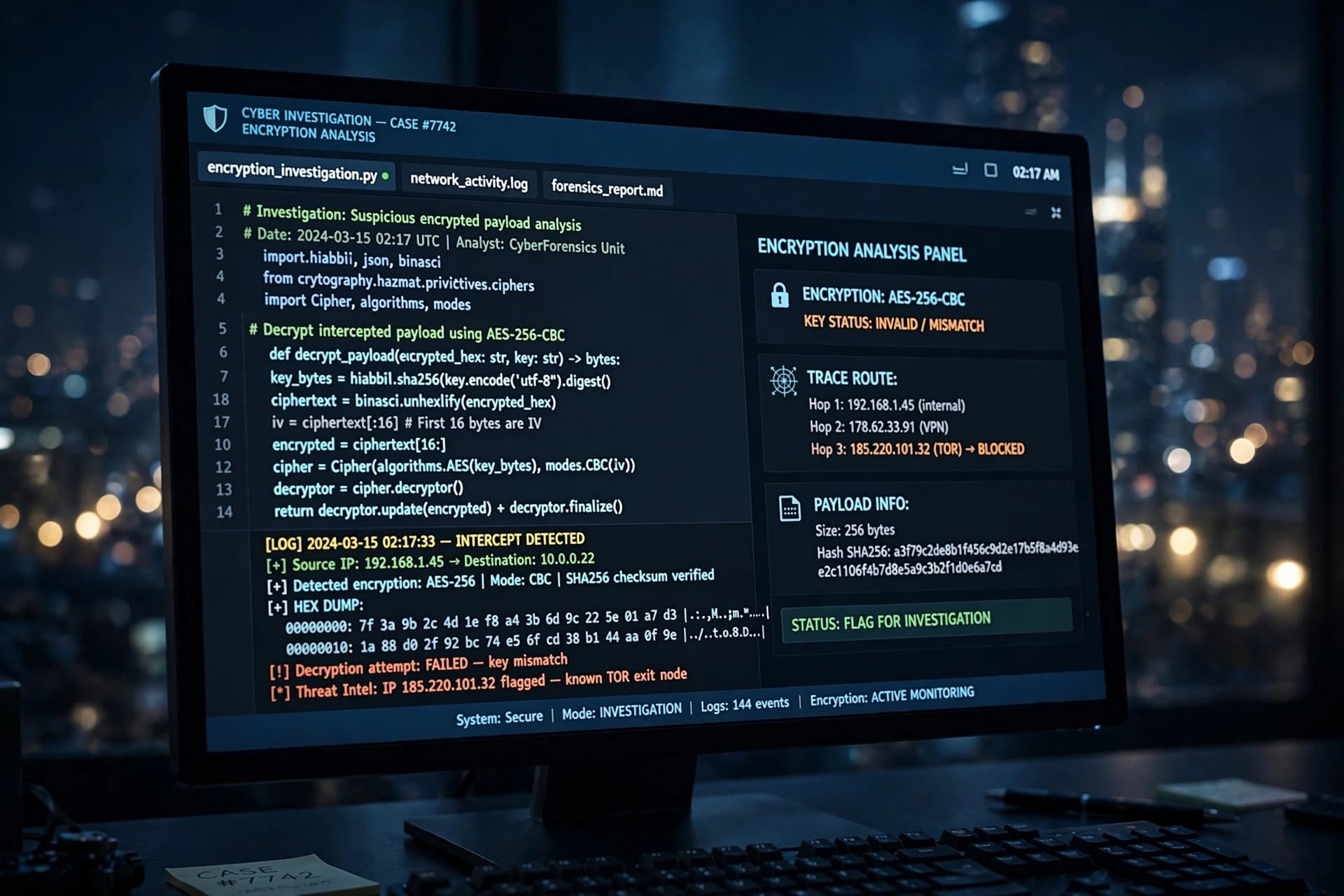
The role of online platforms in facilitating radicalization is a critical aspect of this case. Extremist groups use encrypted channels and social media to recruit and instruct followers. This digital dimension makes detection difficult, requiring specialized skills and tools. The RCMP’s success in this investigation demonstrates the importance of cyber-intelligence in modern counter-terrorism efforts. It is a continuous cat-and-mouse game that demands constant adaptation.
International cooperation also plays a vital role in combating terrorism. ISIS remains a global threat, with affiliates and supporters in many countries. Sharing information across borders allows agencies to track movements, funding, and communication patterns. This case is part of a broader network of efforts to dismantle terrorist operations wherever they may arise. It highlights the interconnected nature of global security.
Prevention is equally important as prosecution. Programs that offer support to individuals at risk of radicalization can help steer them away from violence. Education, community engagement, and mental health services are key components of this strategy. By addressing the root causes of extremism, society can build resilience against the allure of hateful ideologies. It is a holistic approach that seeks to heal rather than just punish. The arrest of a Quebec City man for alleged ISIS-linked chemical weapons planning is a significant counter-terrorism achievement. It underscores the ongoing threat of radicalization and the importance of vigilant intelligence work. As the legal process proceeds, the focus remains on protecting public safety and preventing future acts of violence.
AI Image Disclaimer: The images accompanying this article are AI-generated artistic representations of cybersecurity and law enforcement themes, not actual photographs of the suspect or evidence.
Sources: CBC News Montreal Global News CTV News Ottawa
Published by Banx Network. This article is part of the Banx decentralized media programme, powered by the BXE token on the XRP Ledger.